contact us
Leave Your Message

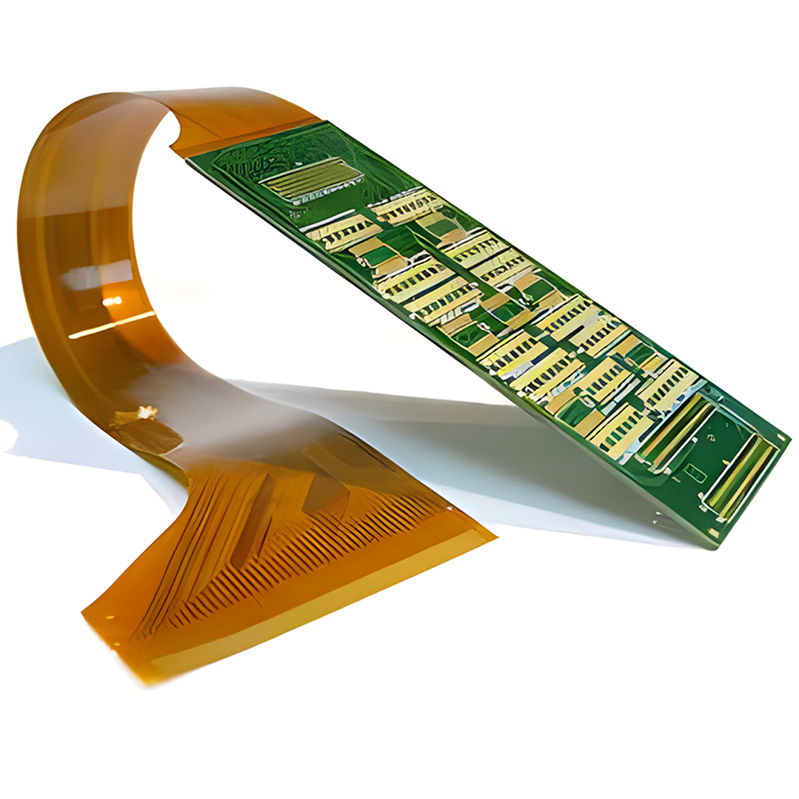
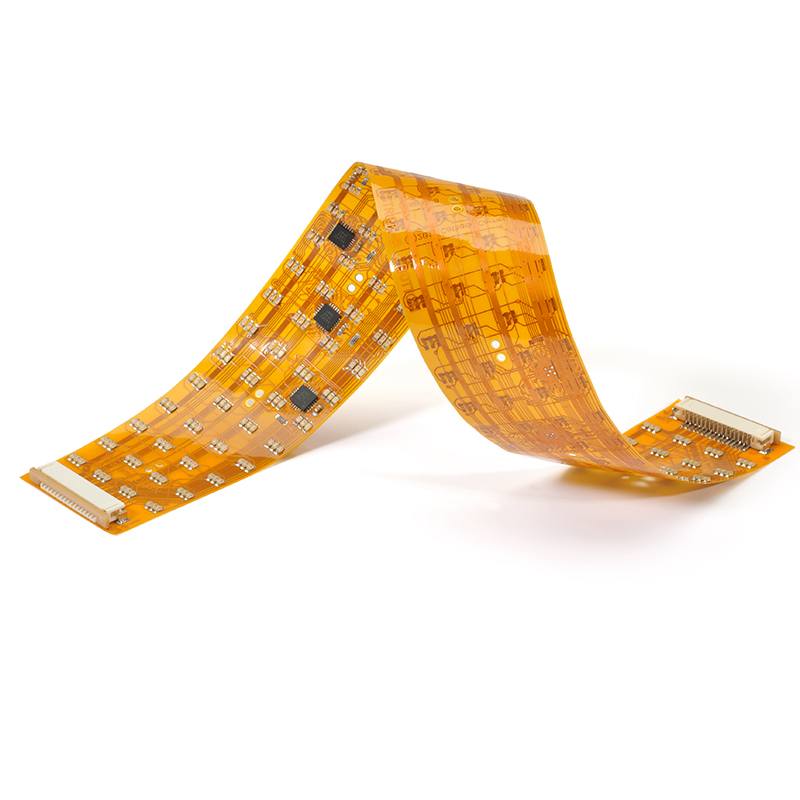
Flexible Printed Circuit (FPC) Boards

We are a professional flexible PCB&rigid-flex PCB manufacturer with guaranteed quality and fast lead time, cooperating with worldwide customers for over 15 years in China.


Partial PCB Process Parameters
Base Material:  FPC flexible board
Number of layers:  1 layer, 2 layers, 4 layers, 6 layers, 8 layers
PCB Thickness: 0.11mm~0.2mm
Outer Copper Weight: 1/3 oz
Copper Type:  Electro-deposited
Coverlay color:  白黑黄.png
Coverlay Thickness:  PI: 12.5μm, AD: 15μm
Silkscreen:  白黑.png
Stiffener:   Polyimide, FR4, Stainless Steel, 3M Tape
EMI Shielding Film:  Single side(Black,18um),  Both sides(Black,18um)
Surface Finish:  ENIG
Gold Thickness:  1μ'', 2μ''
Cutting Method: Laser Cutting

For more information about our capabilities in FPC manufacturing process, please click [here] or contact us, and we will reply to you within 24 hours. 

    Flexible Printed Circuit (FPC) Boards

    1. Introduction: What Are FPC Boards?

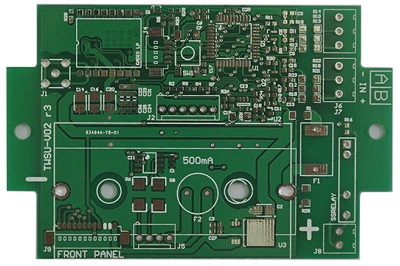
    Flexible Printed Circuit (FPC) boards, also known as flexible circuits, are innovative electronic interconnection solutions that combine conductive pathways with flexible insulating substrates. Unlike rigid printed circuit boards (PCBs) which rely on inflexible materials like FR-4, FPCs use pliable polymers such as polyimide (PI) or polyester (PET) as the base material. This unique flexibility allows FPCs to bend, fold, twist, or conform to complex shapes, making them indispensable in modern electronic devices where space constraints, weight reduction, and dynamic mechanical requirements are critical.
    The concept of flexible circuits emerged in the mid-20th century, but their widespread adoption accelerated with the miniaturization of consumer electronics in the late 20th and early 21st centuries. Today, FPCs are found in everything from smartphones and wearable devices to automotive electronics and aerospace systems, serving as the "nervous system" that connects components in compact and movable designs.

    2. Core Components and Structure of FPC Boards

    An FPC board is a layered structure composed of several key components, each playing a vital role in its performance and flexibility. The typical structure includes:
    • Insulating Substrate: The foundation of the FPC, made of flexible polymers. Polyimide (PI) is the most common choice due to its excellent thermal stability (withstanding temperatures up to 300°C), chemical resistance, and mechanical flexibility. Polyester (PET) is used for lower-cost, less demanding applications where thermal requirements are moderate.
    • Conductive Layer: Usually made of high-purity copper (99.9% or higher) due to its excellent electrical conductivity and ductility. The copper layer is etched into precise conductive patterns (traces) to form the circuit pathways. In some high-frequency or high-temperature applications, aluminum or silver may be used as alternatives.
    • Adhesive Layer: Binds the conductive layer to the insulating substrate. It must be flexible, heat-resistant, and have strong adhesion to prevent delamination. For "adhesiveless" FPCs (used in high-density or high-temperature scenarios), the copper layer is directly laminated to the PI substrate without adhesive, reducing thickness and improving thermal performance.
    • Cover Layer (Coverlay): A protective layer applied over the conductive traces to insulate them from environmental factors (moisture, dust) and mechanical damage. Like the substrate, it is typically made of PI or PET and is bonded with adhesive. Some FPCs use a solder mask instead of a cover layer for finer pitch circuits.
    • Reinforcement Layer: Added to areas where the FPC connects to components (e.g., connectors, integrated circuits) to provide mechanical stability. Materials like FR-4, PI, or metal sheets (stainless steel) are used, as these regions need rigidity to withstand insertion/extraction forces or component soldering.

    3. Classification of FPC Boards

    FPCs are categorized based on their structure, number of layers, and application requirements. The main classifications include:

     By Layer Count

    • Single-Layer FPC: Consists of one conductive layer on a flexible substrate. Simple in structure, low-cost, and used in basic applications like keypad circuits or simple sensor connections.
    • Double-Layer FPC: Has two conductive layers (top and bottom) separated by an insulating substrate. Conductive vias (holes plated with copper) connect the two layers, enabling more complex circuit designs. Commonly used in smartphones and small consumer electronics.
    • Multilayer FPC: Features three or more conductive layers, separated by insulating substrates. Offers high component density and complex routing, making it suitable for advanced devices like tablets, laptops, and automotive control units. Multilayer FPCs can have up to 12 layers or more for specialized applications.

     By Flexibility

    • Fully Flexible FPC: The entire board can bend repeatedly without damage. Used in applications requiring continuous movement, such as camera modules in smartphones (which slide or rotate) or wearable device straps.
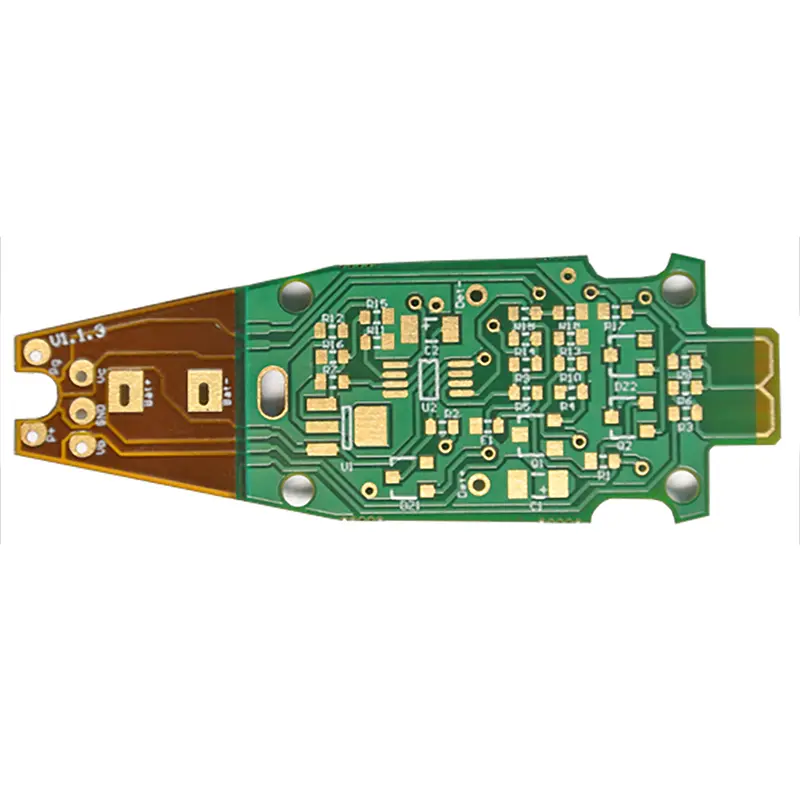
    • Semi-Flexible FPC (Rigid-Flex FPC): Combines flexible and rigid sections in a single board. The rigid sections (reinforced with FR-4 or metal) house components, while the flexible sections allow bending between different parts of a device. Ideal for complex assemblies like aerospace electronics or medical devices where components need to be mounted in fixed positions but connected across moving parts.

     By Conductive Pattern

    • Etched FPC: The most common type, where the conductive layer is etched to form traces. Suitable for most applications due to its high precision and scalability.
    • Screen-Printed FPC: Conductive ink (e.g., silver-based) is screen-printed onto the substrate. Lower cost but less precise, used in low-frequency, low-current applications like flexible displays or simple sensors.

    4. Key Advantages of FPC Boards

    FPCs offer a range of benefits that make them superior to rigid PCBs in many scenarios:
    • Space and Weight Savings: FPCs are extremely thin (typically 0.1-0.3mm thick) and lightweight, allowing them to fit into tight spaces where rigid PCBs cannot. This is critical for miniaturized devices like smartwatches, hearing aids, and drones.
    • Flexibility and Conformability: They can bend, fold, or twist to follow the shape of the device, reducing the need for bulky connectors and wiring harnesses. For example, in foldable smartphones, FPCs enable the display to bend without damaging the circuit.
    • Improved Reliability: Fewer connectors mean fewer points of failure. The flexible structure also absorbs vibration and shock better than rigid PCBs, making FPCs ideal for automotive (where vibration is common) and aerospace applications.
    • Enhanced Thermal Performance: Polyimide substrates have good thermal conductivity, allowing heat to dissipate more efficiently than some rigid materials. This is beneficial for high-power components like LED modules or processor connections.
    • Design Flexibility: FPCs support complex routing, fine-pitch traces (down to 0.1mm or smaller), and 3D packaging, enabling engineers to design more innovative and compact products.

    5. Manufacturing Process of FPC Boards

    The manufacturing process of FPCs is more complex than that of rigid PCBs due to the flexible substrate. The key steps include:
    1. Substrate Preparation: The flexible substrate (PI or PET) is cut to the desired size and cleaned to remove contaminants.
    2. Copper Lamination: A thin copper foil is bonded to the substrate using adhesive (or directly for adhesiveless FPCs) under heat and pressure.
    3. Photoresist Application: A photosensitive resist layer is applied to the copper surface. This resist will protect the areas that will become conductive traces.
    4. Exposure and Development: The FPC is exposed to UV light through a photomask (which has the circuit pattern). The exposed resist hardens, and the unexposed resist is washed away, leaving the copper areas to be etched exposed.
    5. Etching: The board is immersed in an etching solution (e.g., ferric chloride) that removes the unprotected copper, leaving only the conductive traces.
    6. Resist Stripping: The hardened photoresist is removed, revealing the completed copper traces.
    7. Cover Layer Lamination: A cover layer (PI or PET) with pre-cut openings for components/connectors is bonded to the board to insulate the traces.
    8. Drilling and Plating: For double-layer or multilayer FPCs, holes (vias) are drilled through the substrate, and the holes are plated with copper to connect the layers.
    9. Reinforcement Addition: Rigid reinforcement layers are bonded to areas where components will be mounted or connectors attached.
    10. Testing and Inspection: The FPC is tested for electrical continuity, short circuits, and mechanical flexibility. Automated optical inspection (AOI) is used to check for defects in the circuit pattern.

    6. Applications of FPC Boards

    FPCs are ubiquitous in modern technology, with applications spanning multiple industries:

     Consumer Electronics

    The largest market for FPCs. They are used in smartphones (camera modules, display connections, battery circuits), tablets, laptops (keyboard and trackpad connections), wearable devices (smartwatches, fitness trackers), and flexible displays. For example, the foldable screen in a Samsung Galaxy Z Fold uses FPCs to connect the two halves of the display.

     Automotive Electronics

    FPCs are ideal for automotive applications due to their vibration resistance and space-saving design. They are used in infotainment systems, dashboard displays, LED lighting, sensor connections (e.g., parking sensors), and electric vehicle (EV) battery management systems (BMS). In EVs, FPCs help connect the numerous cells in the battery pack efficiently.

     Aerospace and Defense

    In aerospace, FPCs are used in aircraft avionics (navigation systems, communication equipment), satellite components, and military devices. Their lightweight and high-reliability characteristics make them suitable for harsh environments with extreme temperatures and radiation.

     Medical Devices

    FPCs are used in medical devices like pacemakers, insulin pumps, diagnostic equipment (e.g., ultrasound probes), and wearable health monitors. Their flexibility allows them to conform to the human body, and their biocompatibility (when using appropriate materials) is critical for implantable devices.

     Industrial Electronics

    In industrial settings, FPCs are used in robotics (to connect moving parts), industrial sensors (temperature, pressure), and automated manufacturing equipment. Their ability to withstand mechanical stress and harsh environments makes them a reliable choice.

    Interested?

    Let us know more about your project.

    REQUEST A QUOTE