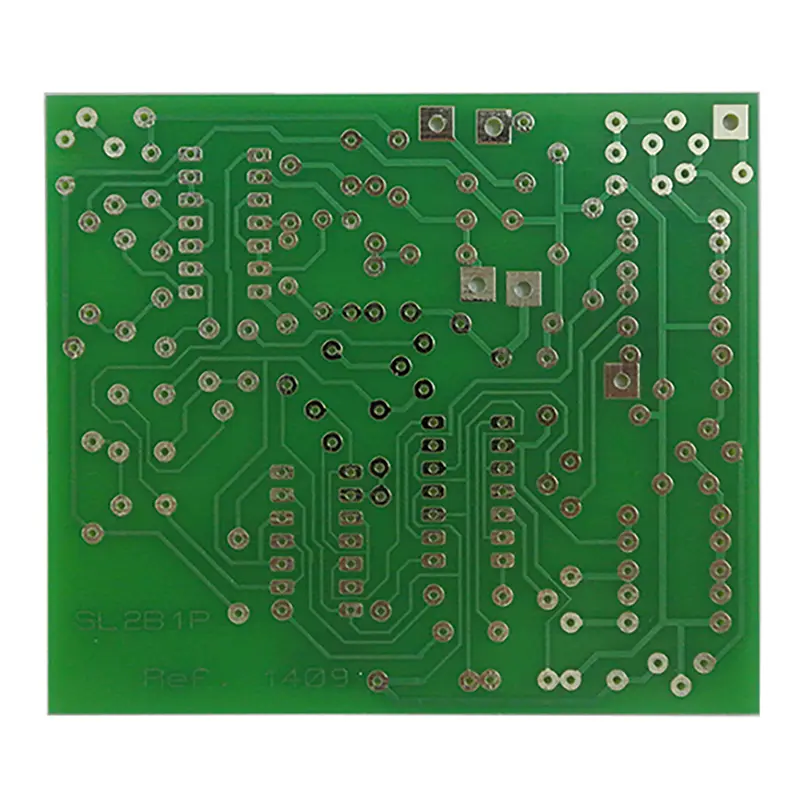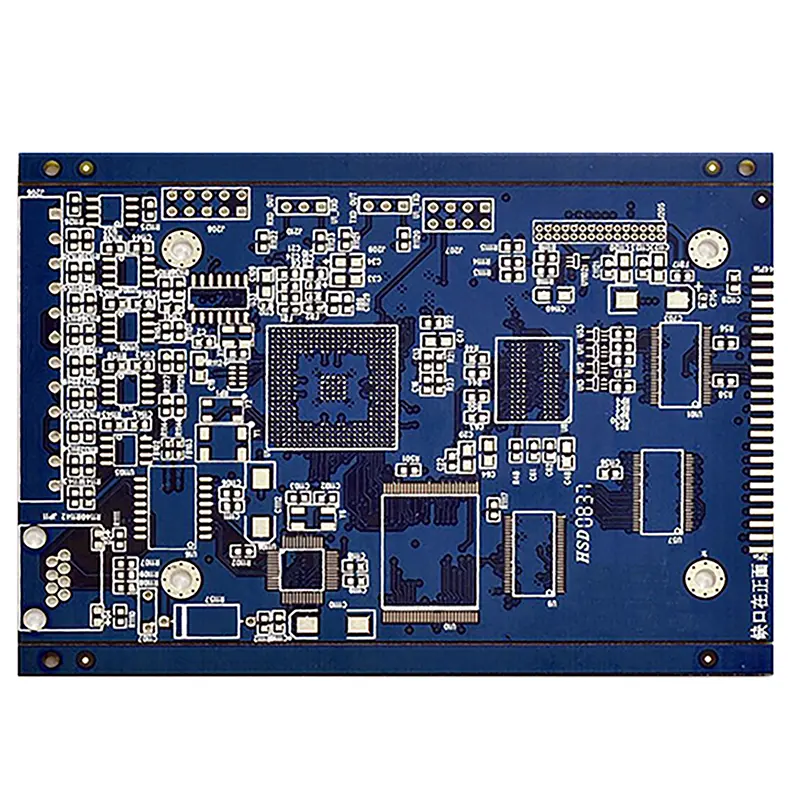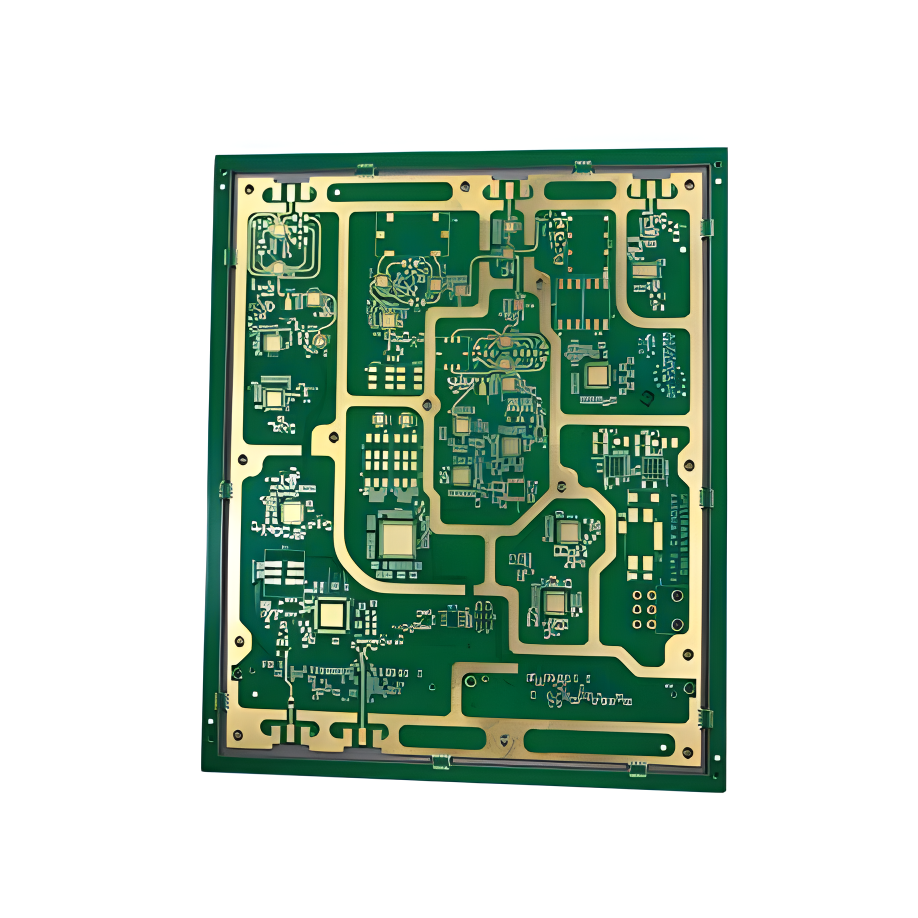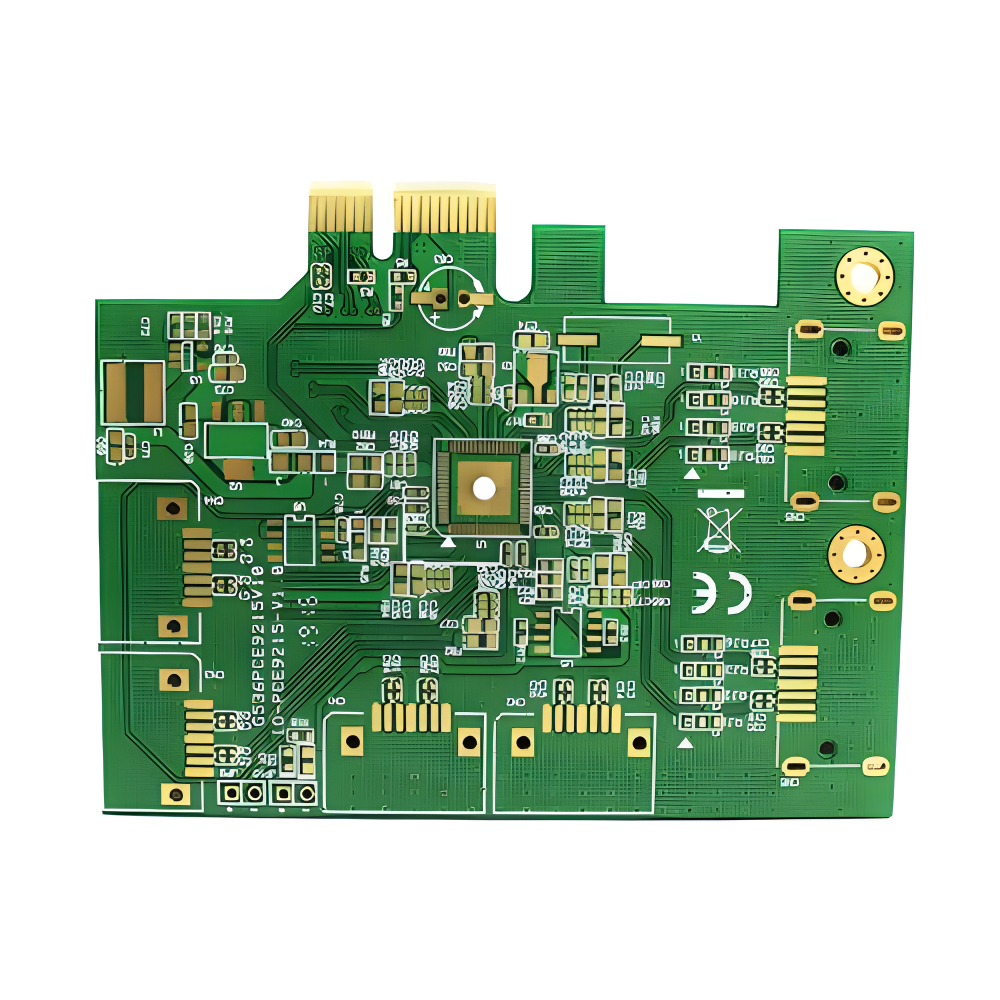
Aluminum PCB
Aluminum PCB
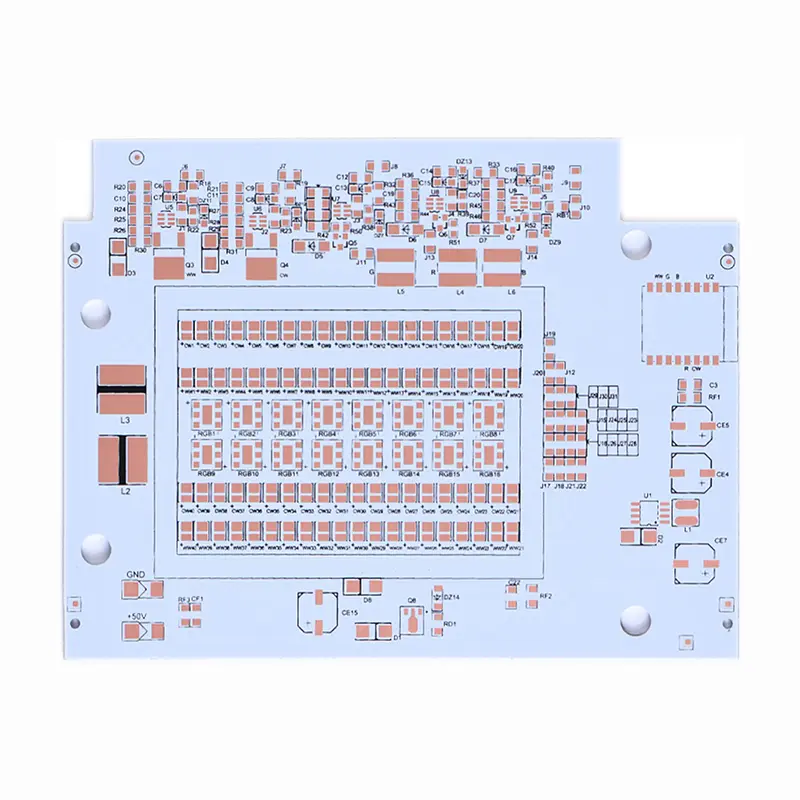
With the rapid development of electronic devices towards miniaturization, high power, and high density, circuit heat dissipation has become a key factor restricting the improvement of device performance and lifespan extension. Traditional FR-4 epoxy glass cloth laminates have advantages in insulation performance and cost but have weak heat dissipation capabilities, which are difficult to meet the heat dissipation requirements of high-power electronic components. Against this backdrop, Aluminum PCB, with its excellent heat dissipation performance, good mechanical strength, and stable electrical characteristics, has gradually become a core circuit carrier in fields such as LED lighting, automotive electronics, and power modules, providing important support for the technological upgrading of the electronics industry.
1. Basic Concept and Structural Composition of Aluminum PCB
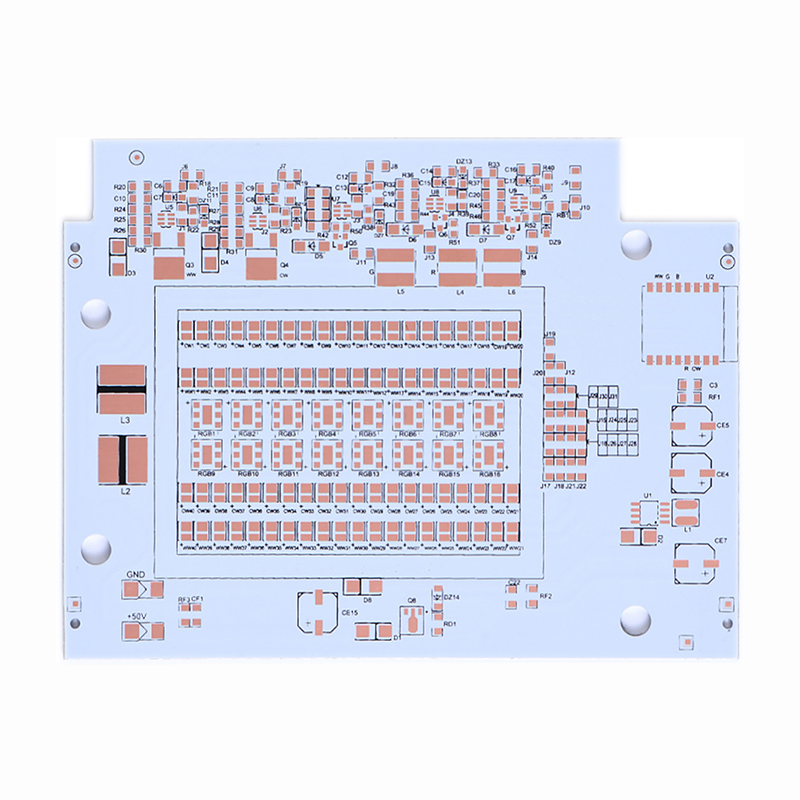
Aluminum PCB is a metal-based printed circuit board with aluminum alloy as the base material, belonging to a type of metal-based copper-clad laminate. Different from traditional PCB, it closely combines the metal substrate and copper foil circuit layer through a special insulating and thermally conductive layer, which not only retains the heat dissipation advantage of the metal base material but also has the electrical connection function of the printed circuit board. Its typical structure consists of three layers, each with clear division of labor and synergistic effect:
- Metal Base Layer: The core support and heat dissipation layer, usually using aluminum alloy with a purity of more than 90% (such as models 1060, 5052, 6061). 1060 aluminum alloy has excellent thermal conductivity and formability, suitable for scenarios with high heat dissipation requirements; 5052 aluminum alloy has higher strength and good corrosion resistance, often used in automotive electronics with complex environments; 6061 aluminum alloy balances strength and thermal conductivity, suitable for precision circuits requiring mechanical processing.
- Insulating and Thermally Conductive Layer (Dielectric Layer): The key intermediate layer connecting the metal base material and copper foil, and also the core of aluminum PCB technology. This layer needs to have high insulation, low thermal resistance, and good bonding strength at the same time. It is usually composed of polymer materials such as epoxy resin and polyimide compounded with ceramic fillers (such as aluminum oxide and aluminum nitride). The addition of ceramic fillers can significantly improve the thermal conductivity. Currently, the thermal conductivity of the insulating and thermally conductive layer of mainstream aluminum PCBs is between 1.0-5.0 W/(m·K), and some high-end products can reach more than 10 W/(m·K).
- Copper Foil Circuit Layer: The functional layer for realizing electrical connection, using electrolytic copper foil or rolled copper foil, with thickness usually 1oz (35μm), 2oz (70μm) or thicker, selected according to the circuit current load requirements. The copper foil forms complex circuit patterns through etching process to provide current paths for electronic components.
2. Core Characteristics and Advantages of Aluminum PCB
The reason why aluminum PCB can replace traditional PCB in many fields lies in its unique performance combination, especially showing significant advantages in heat dissipation, mechanics, electricity and other aspects:
Efficient Heat Dissipation, Improving Device Reliability
Heat dissipation is the core advantage of aluminum PCB. The thermal conductivity of traditional FR-4 substrate is only 0.2-0.3 W/(m·K), while the thermal conductivity of the metal base material of aluminum PCB can reach 100-200 W/(m·K). Combined with the high thermal conductivity insulating layer, it can quickly conduct the heat generated by electronic components (such as LED chips, power tubes) to the metal substrate, and then dissipate it into the air through heat sinks or housings. Experimental data shows that under the same power condition, the junction temperature of LED lamps using aluminum PCB can be reduced by 20-30℃ compared with FR-4 substrate, and the LED lifespan can be doubled for every 10℃ decrease in junction temperature, greatly improving the long-term reliability of the device.
Good Mechanical Performance, Resistance to Deformation and Impact
The aluminum alloy base material has high strength and rigidity. Compared with traditional FR-4 substrate (which is brittle and easy to crack), aluminum PCB is not easy to deform or damage under harsh environments such as vibration, impact, and temperature change. This characteristic makes it particularly suitable for scenarios requiring high mechanical stability such as automotive electronics (such as control modules in the engine compartment) and industrial equipment (such as frequency converters, servo drives), which can effectively reduce poor contact or short-circuit faults caused by circuit deformation.
Excellent Electrical Insulation, Ensuring Usage Safety
The insulating and thermally conductive layer adopts high-quality polymer insulating materials, with a breakdown voltage of 20-50kV/mm, which can effectively isolate the copper foil circuit from the metal base material and prevent leakage or breakdown accidents. At the same time, this layer has a low dielectric constant (usually 3.0-4.5@1MHz), with small signal transmission loss, suitable for high-frequency circuit scenarios.
Simplifying Heat Dissipation Design, Reducing Overall Cost
Due to the good heat dissipation capability of aluminum PCB itself, traditional heat dissipation components such as heat sinks and thermal conductive paste can be reduced or omitted, simplifying the device structure design and reducing material and assembly costs. In addition, the thermal expansion coefficient of aluminum PCB is more matched with the metal housing and heat sink, which can reduce the solder joint cracking problem caused by thermal stress and lower the later maintenance cost.
Environmental Protection and Recyclability, Conforming to Green Trends
The metal base material of aluminum PCB can be 100% recycled, and the insulating layer material is mostly environmentally friendly polymer material, which conforms to environmental protection standards such as RoHS. In the context of global advocacy for green manufacturing, the environmental protection characteristics of aluminum PCB make it the first choice for electronic enterprises to achieve sustainable development.
3. Main Types and Application Scenarios of Aluminum PCB
According to the different materials and structures of the insulating and thermally conductive layer, aluminum PCB can be divided into multiple types, and different types are suitable for different application scenarios:
Epoxy Resin Aluminum PCB (FR-4 Aluminum PCB)
The insulating layer is based on epoxy resin, added with aluminum oxide filler. Its thermal conductivity is usually 1.0-2.0 W/(m·K), with low cost and mature technology. It is suitable for medium and low-power scenarios, such as LED indoor lighting (downlights, panel lights), power adapters, and small household appliance control boards.
Polyimide Aluminum PCB (PI Aluminum PCB)
The insulating layer adopts polyimide material, which has excellent high-temperature resistance (long-term use temperature can reach above 200℃) and chemical corrosion resistance, with a thermal conductivity of 2.0-4.0 W/(m·K). It is suitable for high-power equipment in high-temperature environments, such as automotive engine control modules, aerospace electronic components, and industrial laser equipment.
Ceramic Aluminum PCB
The insulating layer adopts ceramic materials such as aluminum oxide and aluminum nitride, with a thermal conductivity as high as 5.0-20 W/(m·K). It has excellent heat dissipation performance but high cost and difficult processing. It is suitable for ultra-high power scenarios, such as LED street lights, searchlights, high-power IGBT modules, and medical equipment (such as laser therapy instruments).
4. Expansion of Aluminum PCB Application Fields
With the development of electronic technology, the application fields of aluminum PCB are constantly expanding, and it has extended from the initial LED lighting to many key industries:
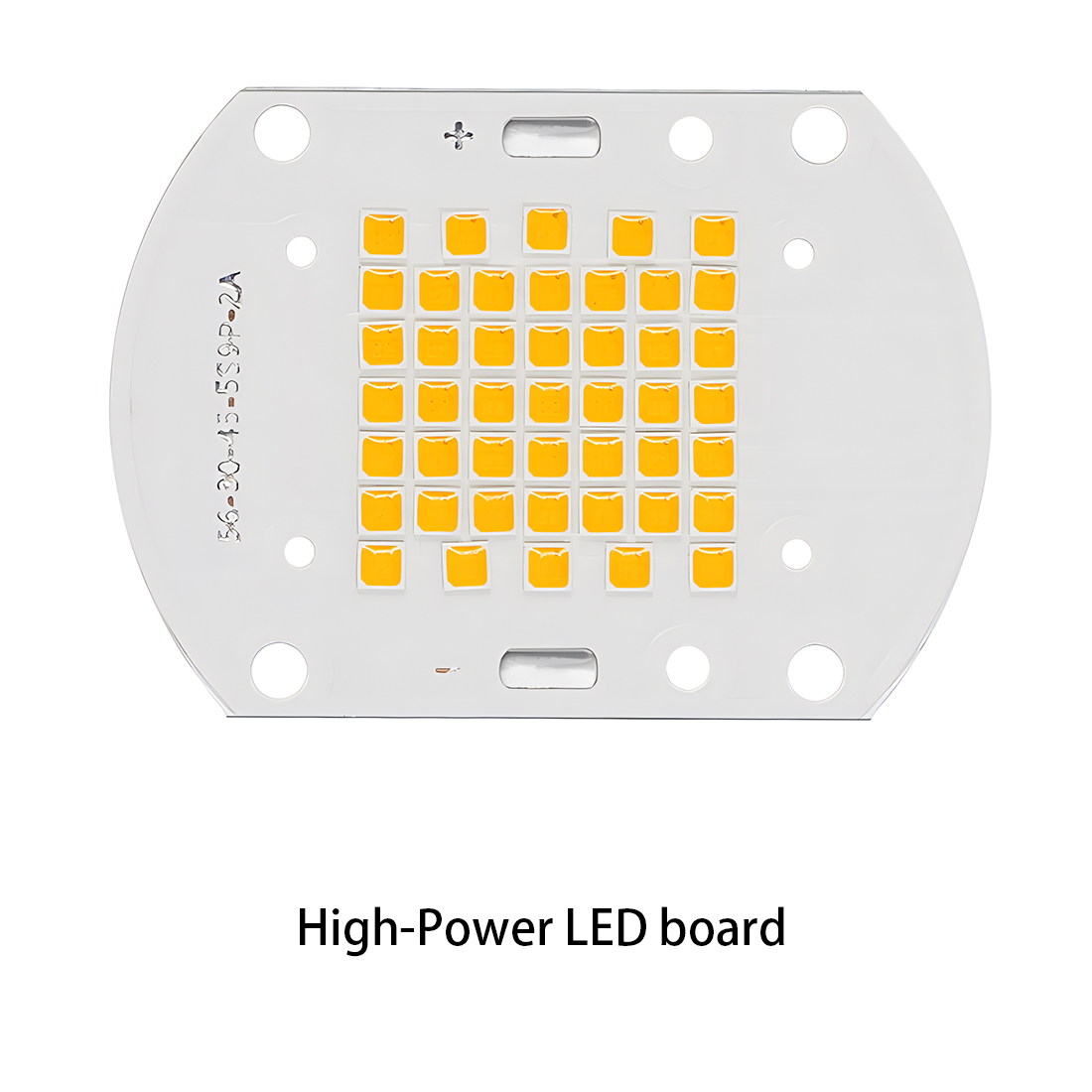
- LED Lighting Field: This is the most important application scenario of aluminum PCB, including indoor lighting (panel lights, ceiling lights), outdoor lighting (street lights, tunnel lights), landscape lighting (wall washers, linear lights), etc. The heat dissipation demand of high-power LED chips has promoted the large-scale application of aluminum PCB in this field, accounting for more than 60% of the global aluminum PCB market share.
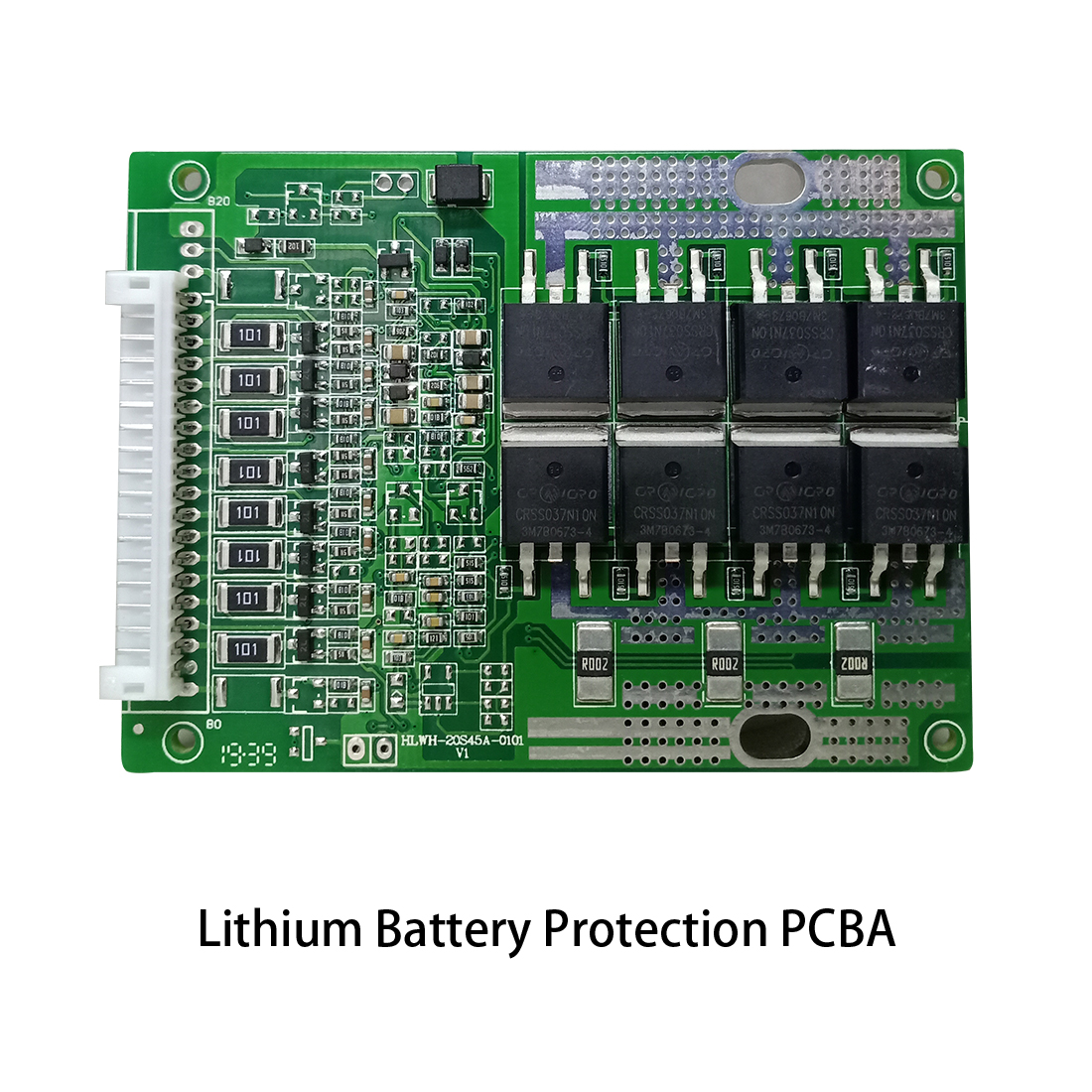
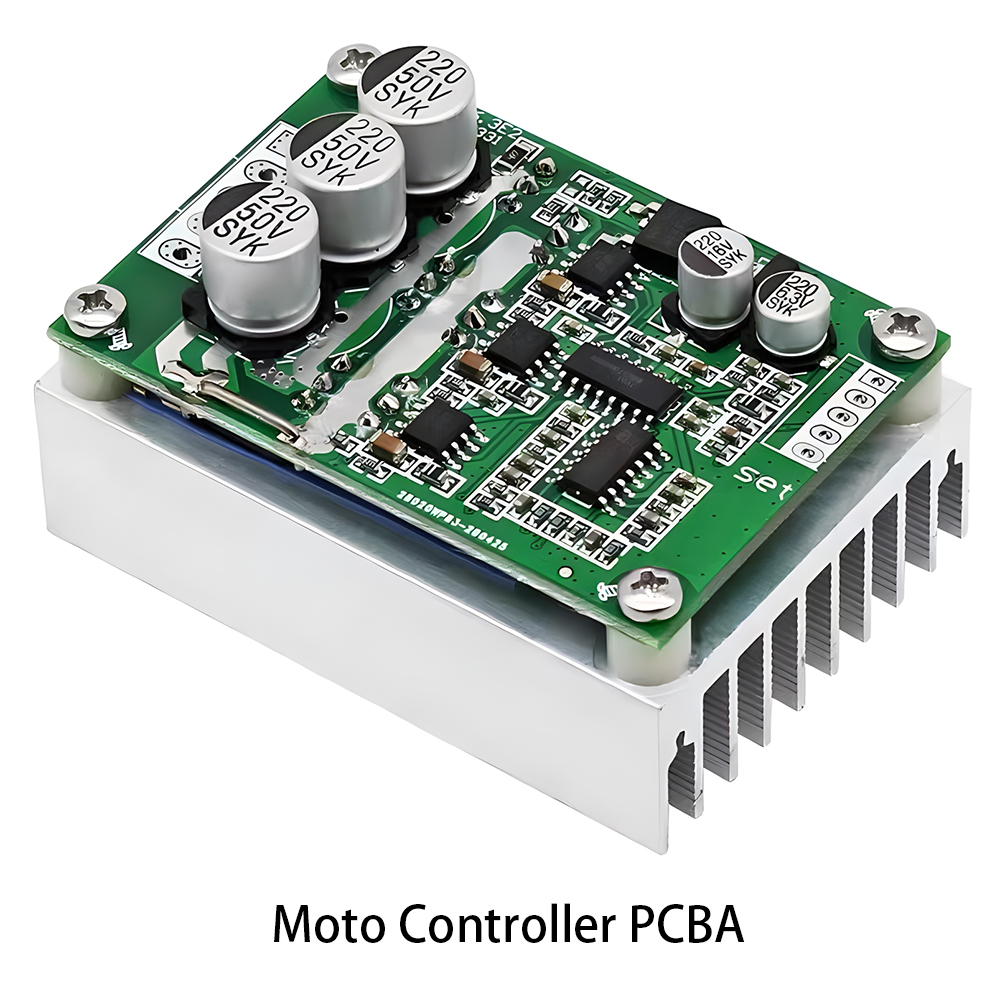
- Automotive Electronics Field: The improvement of automotive electronics (such as battery management system BMS, motor controller, on-board radar, LED lights of new energy vehicles) has extremely high requirements for circuit heat dissipation and reliability. Aluminum PCB has become the core carrier of these components, which can adapt to the high temperature, vibration and other harsh environments during car driving.
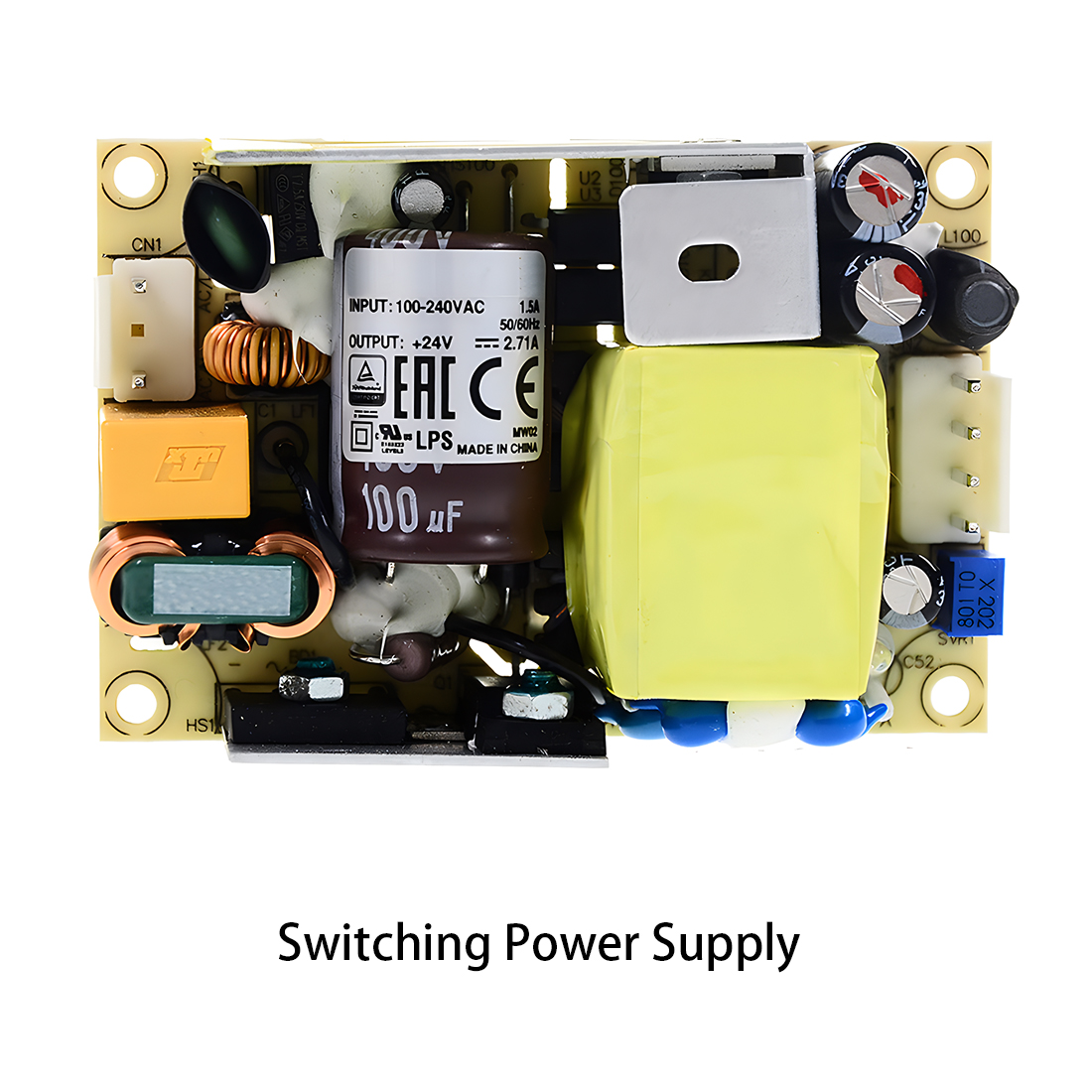
- Power Supply and Energy Field: In equipment such as switching power supplies, inverters, charging piles, and solar controllers, power devices (such as MOSFET, IGBT) generate a lot of heat. Aluminum PCB can effectively reduce the device temperature and improve the power conversion efficiency and stability.
- Industrial and Medical Fields: Industrial frequency converters, servo motor drives, medical imaging equipment (such as CT machines, ultrasound equipment), laser therapy instruments, etc., all require high-reliability and high-heat dissipation circuit substrates. The performance advantages of aluminum PCB are fully exerted in such scenarios.
- Consumer Electronics Field: With the development of 5G mobile phones, laptops, drones and other devices towards high power and thinness, local heat dissipation problems have become increasingly prominent. Aluminum PCB has begun to be applied to the power modules of these devices (such as mobile phone fast charging boards, drone motor drive boards).
Interested?
Let us know more about your project.
REQUEST A QUOTE

PCB
FPC
Rigid-Flex
FR-4
HDI PCB
Rogers High-Frequency Board
PTFE Teflon High-Frequency Board
Aluminum
Copper Core
PCB Assembly
LED light PCBA
Memory PCBA
Power Supply PCBA
New Energey PCBA
Communication PCBA
Industrial Control PCBA
Medical Equipment PCBA
PCBA Testing Service
Certification Application
RoHS Certification Application

REACH Certification Application
CE Certification Application

FCC Certification Application
CQC Certification Application

UL Certification Application
Transformers, Inductors
High Frequency Transformers
Low Frequency Transformers
High Power Transformers
Conversion Transformers
Sealed Transformers
Ring Transformers
Inductors
Wires,Cables Customized
Network Cables
Power Cords
Antenna Cables
Coaxial Cables
Net Position Indicator
Solar AIS net position indicator
Capacitors
Connectors
Diodes
Embedded Processors & Controllers
Digital Signal Processors (DSP/DSC)
Microcontrollers (MCU/MPU/SOC)
Programmable Logic Device(CPLD/FPGA)
Communication Modules/IoT
Resistors
Through Hole Resistors
Resistor Networks, Arrays
Potentiometers,Variable Resistors
Aluminum Case,Porcelain Tube Resistance
Current Sense Resistors,Shunt Resistors
Switches
Transistors
Power Modules
Isolated Power Modules
DC-AC Module(Inverter)
RF and Wireless