When you're diving into Pcb Fabrication, picking the right company can make all the difference. There are some pretty well-known players out there, like JLCPCB, PCBWay, and Advanced Circuits, and they've really built up a solid reputation. These top companies offer a bunch of services to cover different needs, whether it's high-quality manufacturing or custom solutions tailored for specific industries. They really focus on delivering reliability and precision in every single product, which is super important.
Of course, even the big guys have their hurdles — tight deadlines, managing costs, you know how it goes. So, it's worth taking the time to check out what each company can actually do. Looking into their experience, especially in Pcb Fabrication And Assembly, can give you some helpful clues. And don’t forget to peek at customer reviews — they can tell you a lot about how reliable and customer-friendly a company really is. Getting a good feel for all that stuff really helps when you're trying to find a partner who balances cost, quality, and good service. In the end, picking the right guys can save you a lot of headaches down the line.

Overview of PCB Fabrication Industry and Its Importance
The PCB fabrication industry plays a critical role in various sectors, including electronics, telecommunications, and automotive. According to industry reports, the global PCB market was valued at approximately $73 billion in 2022, with an expected growth rate of over 3% annually. As technology evolves, the demand for advanced materials and designs increases. Fast Turn Pcb Fabrication has become essential for companies aiming to stay competitive in the fast-paced market.
In recent years, sustainability has become a significant focus within the PCB sector. Companies are exploring eco-friendly materials and processes to minimize environmental impact. However, challenges persist, such as managing waste and reducing energy consumption. Transparency in sourcing and manufacturing processes is also vital, as customers demand more information regarding product origins and production methods.
As complexity rises in Pcb Designs, skilled professionals are necessary to navigate the intricacies of fabrication. Educational programs need to evolve to provide adequate training for the next generation of engineers. Balancingspeed and quality poses a continuous challenge for manufacturers. The need for rapid prototyping and customization, coupled with shorter product life cycles, requires constant innovation in the industry.
Key Factors in Choosing PCB Fabrication Companies
When choosing PCB fabrication companies, multiple critical factors come into play. One such factor is the company’s experience in the field. Reports indicate that companies with over ten years in Pcb Fabrication Assembly exhibit higher reliability. Their extensive portfolio often leads to optimized manufacturing processes, which can influence project turnaround times.
Another essential factor is the technology used in the fabrication process. Modern companies often employ advanced technologies like automated optical inspection and multi-layer boards. A study found that firms utilizing state-of-the-art equipment may see a reduction in defect rates by as much as 30%. This is crucial, as quality assurance directly impacts the performance of the final product.
Tip: Verify the certifications of PCB fabrication companies. Look for international standards like ISO 9001 as a mark of quality.
Communication is equally important. Clear channels between your team and the fabrication company foster a better understanding of project specifications. Poor communication can lead to misunderstandings and delays. Always ask for updated timelines and progress reports to avoid surprises.
Tip: Always request prototypes before committing to large orders. Testing early helps identify potential issues without significant investment.
Top Global PCB Fabrication Companies Overview
The landscape of PCB fabrication has evolved dramatically. Global demand for printed circuit boards is forecasted to reach $90 billion by 2025. This growth is largely driven by industries such as automotive, telecommunications, and consumer electronics. Companies are increasingly relying on advanced fabrication technologies to meet this demand.
Key trends in PCB manufacturing include automation and advanced materials. Automation enhances production efficiency, reducing lead times. Advanced materials, such as high-frequency laminates, enable better performance in electronic devices. Industry reports indicate that the use of these materials will increase by over 15% annually. However, quality assurance remains a challenge. Many companies struggle to ensure that the products meet the rigorous standards required.
Sustainability also plays a critical role. The push for eco-friendly manufacturing processes is becoming more prevalent. Research suggests that 70% of companies are adopting greener practices. Yet, there are many firms that have yet to implement these changes. Balancing cost-effectiveness with sustainability remains an ongoing challenge in the PCB fabrication sector. As companies confront these issues, they must remain adaptable to changing market needs.
Evaluating Quality and Reliability in PCB Fabrication
When sourcing printed circuit boards (PCBs), quality and reliability are paramount. Recent industry data indicates that up to 70% of PCB failures stem from manufacturing defects. This highlights the critical need for rigorous evaluation of fabrication processes. Companies should look for manufacturers that adhere to IPC standards. These standards ensure that materials and processes meet the high-quality demands of modern electronics.
Additionally, an independent report revealed that companies often overlook supplier audits. Effective audits can reveal inconsistencies that might compromise quality. A proactive approach includes site visits and inspections during crucial production phases. This transparency builds trust and ensures adherence to operational standards.
Furthermore, the market is in a constant state of evolution, with over 50% of PCB manufacturers facing challenges related to supply chain transparency. This situation demands a careful selection of partners who prioritize reliable sourcing. Companies should seek partners who can demonstrate a solid track record in quality assurance processes and certifications. This vigilance can dramatically reduce risks in the long run.
Cost Considerations for PCB Manufacturing
Cost is a critical factor in Pcb Fabrication. Different manufacturers have varying pricing strategies. Understanding the breakdown of costs is essential. Material quality, production volume, and lead time significantly influence the overall price.
When sourcing PCBs, consider the material used. High-quality substrates may cost more initially. However, they can enhance product longevity. The complexity of the design also affects pricing. Simple designs are generally cheaper than multi-layered boards. Keep this in mind when planning your budget.
Another cost aspect is the production volume. Larger orders usually reduce the price per unit. But minimum order quantities can lead to waste for small projects. Lead time is equally important. A rush order may incur additional fees. Weigh these factors carefully to get the best value for your PCB fabrication needs.
Cost Considerations for PCB Manufacturing
Emerging Trends in PCB Fabrication Technology
Emerging trends in PCB fabrication technology are transforming the industry rapidly. The shift towards automation in manufacturing is one of the key developments. Automation reduces human error and increases efficiency. Additionally, advanced software tools streamline the design and production process. This enables quicker turnaround times, leading to innovations.
Another significant trend is the rise of eco-friendly materials. As environmental concerns grow, many manufacturers are seeking sustainable options. This shift not only addresses regulatory pressures but also appeals to eco-conscious consumers. Many firms are exploring biodegradable substrates and lead-free solder. Such changes can impact cost and production practices, requiring careful consideration.
While Quick Pcb Fabrication is appealing, it also poses challenges. The demand for speed can lead to compromises in quality. Engineers must balance rapid production with reliability. Testing and validation remain critical to ensure that these fast-tracked designs function as intended. As the landscape evolves, PCB companies must continually adapt to these trends while maintaining standards. Addressing these imperfections can lead to better solutions in the future.
Sourcing PCB Fabrication Partners: Tips and Best Practices
When sourcing PCB fabrication partners, it's crucial to prioritize experience and expertise. Look for companies with a strong track record in the industry. They should have years of robust service and client satisfaction. This shows reliability and knowledge in handling complex projects. Pay attention to their certifications. Quality management systems often indicate a commitment to excellence.
Effective communication is another key consideration. Seek partners that respond promptly. This reflects their commitment and willingness to collaborate. Clear communication can prevent misunderstandings. It’s also essential to understand their production capabilities. Are they equipped for small batch runs or high volume? Knowing this can save time and resources.
Keep in mind regional differences. Not all PCB manufacturers work the same way. Some may excel in certain technologies while others focus on cost efficiency. Consider visiting potential partners or engaging in virtual tours. Hands-on observations can reveal much about their processes. Reflect on these practices to ensure alignment with your project's needs. A partner's adaptability to change can significantly impact the success of your sourcing strategy.
Top PCB Fabrication Companies for Global Sourcing Needs
| Company Size | Location | Years in Business | Specialization | Annual Production Capacity |
| Large | China | 20 | High-Density Interconnect | 10 million units |
| Medium | USA | 15 | Flexible Circuit Boards | 5 million units |
| Small | Germany | 10 | Prototype Manufacturing | 1 million units |
| Large | Taiwan | 25 | Multilayer Boards | 15 million units |
| Medium | India | 8 | Custom PCB Design | 2 million units |
Innovative Techniques and Tools for PCB Copying: Unlocking Efficient Circuit Board Replication
The field of PCB copying has evolved significantly with the advent of innovative techniques and advanced tools, enabling efficient circuit board replication. Professionals in this domain can now clone single-layer, double-layer, and multi-layer PCBs with enhanced precision, addressing the increasing complexity of modern electronic designs. According to recent industry reports, the demand for PCB duplication services has seen a notable rise, driven by advances in technology and the need for rapid prototyping in various sectors, including automotive and consumer electronics.
Utilizing state-of-the-art process technology, skilled PCB copying technicians are capable of replicating intricate designs that involve blind vias and buried vias. This capability not only ensures high-quality replication but also opens doors for modifications to optimize functionality. Reports indicate that companies that adopt these advanced PCB copying solutions can reduce their time-to-market significantly, showcasing a clear advantage in competitive industries.
Furthermore, the ability to provide PCB modification services during the copying process is vital for clients seeking tailored results. As the industry moves towards greater customization, the integration of efficient PCB copying techniques becomes an essential component of electronic manufacturing. The ongoing refinement of these processes will continue to play a crucial role in sustaining innovation across diverse applications, facilitating both quick adaptation to market needs and maintaining the integrity of design intent.
FAQS
: The global PCB market was valued at about $73 billion in 2022.
Companies are focusing on eco-friendly materials to reduce environmental impact.
Simple designs usually cost less than complex, multi-layered boards.
Larger orders can lower the price per unit, but minimum quantities can lead to waste.
Prioritize partners with experience, certifications, and a strong track record of client satisfaction.
Timely responses prevent misunderstandings and reflect the partner's commitment.
They must evolve to prepare engineers for complex fabrication challenges.
They may incur additional fees, affecting your overall budget.
Customers increasingly demand more information about product origins and production methods.
Balancing speed with quality is a continuous challenge in this fast-paced market.
Conclusion
The PCB fabrication industry plays a crucial role in the electronics supply chain, providing essential printed circuit boards for various applications. When selecting PCB fabrication companies, key factors to consider include their technological capabilities, production capacity, and adherence to quality standards. As the demand for complex and high-performance PCBs grows, companies must evaluate potential partners based on their reliability and the quality of their products.
Cost is also a significant consideration in PCB manufacturing, as it can greatly impact overall project budgets. Emerging trends, such as automation and advanced materials, are reshaping the fabrication landscape, and companies should stay informed about these developments to remain competitive. Sourcing PCB fabrication partners requires careful research and best practices to ensure a successful collaboration that meets both quality and cost expectations.

 Capacitors
 Connectors
 Diodes
 Embedded Processors & Controllers
 Communication Modules/IoT
 Resistors
 Switches
 Transistors
 Power Modules
 RF and Wireless
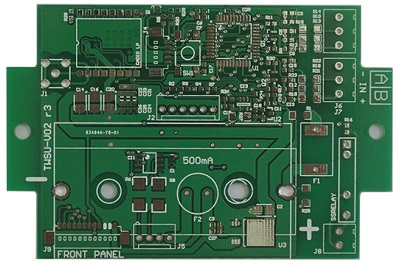 PCB
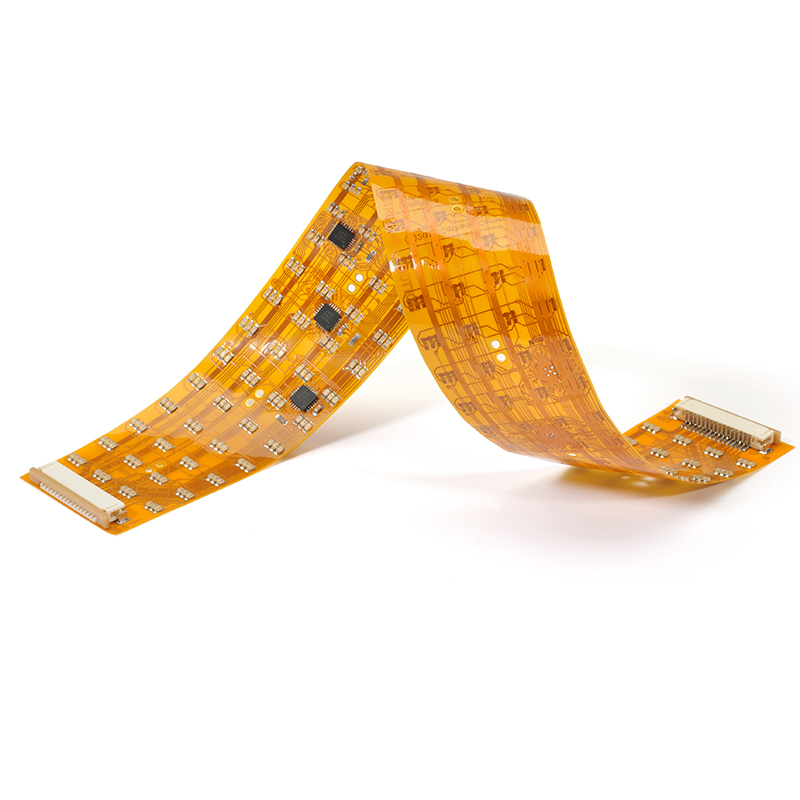 FPC
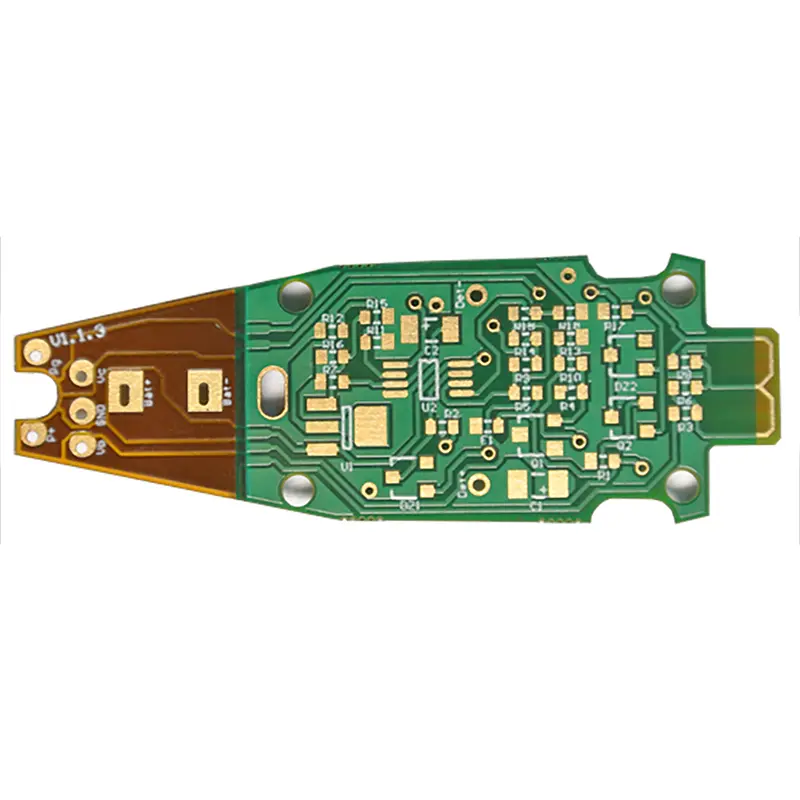 Rigid-Flex
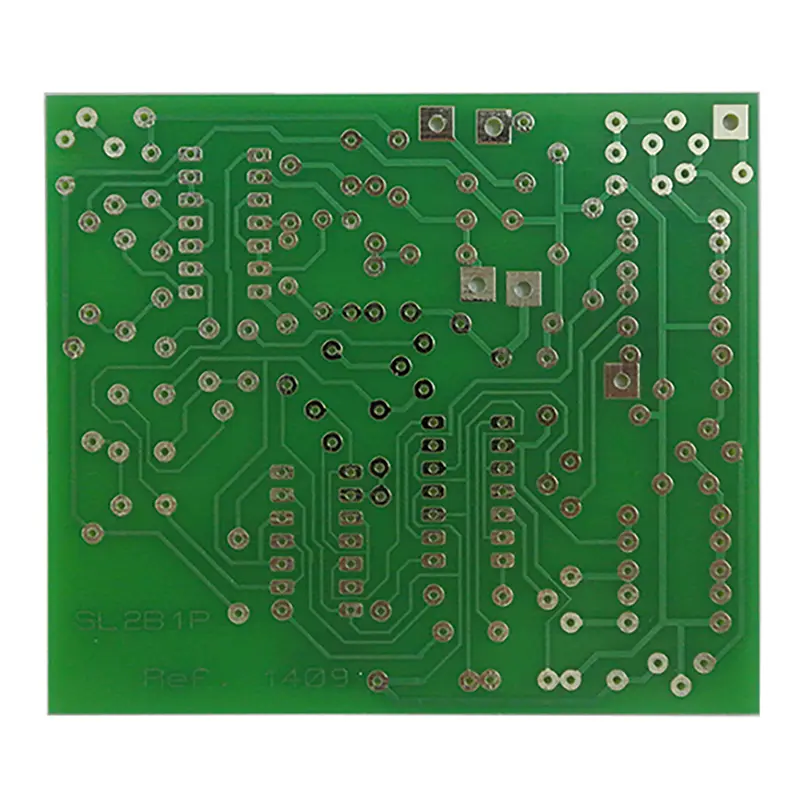 FR-4
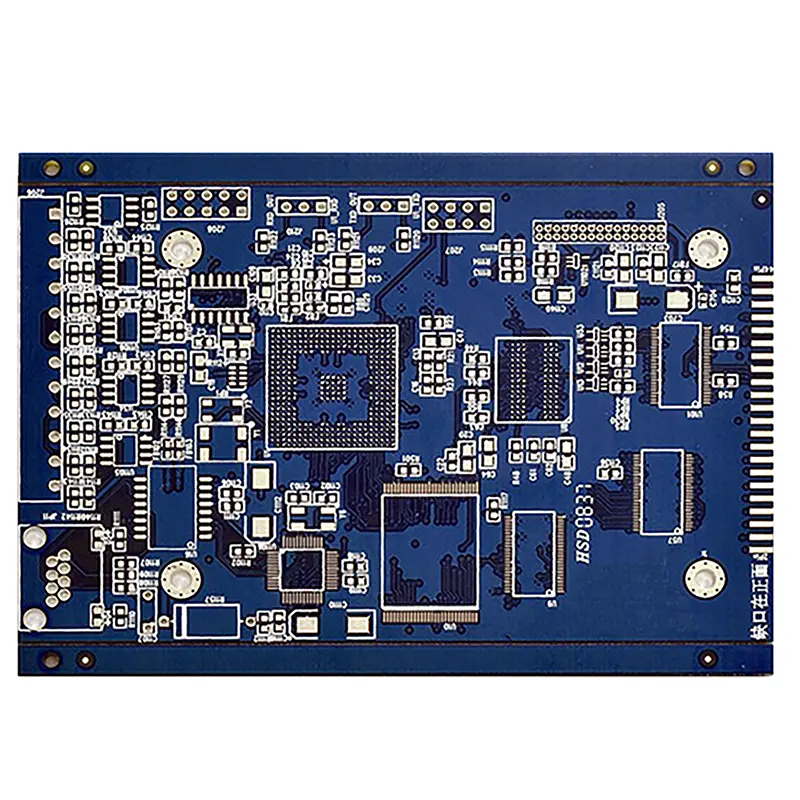 HDI PCB
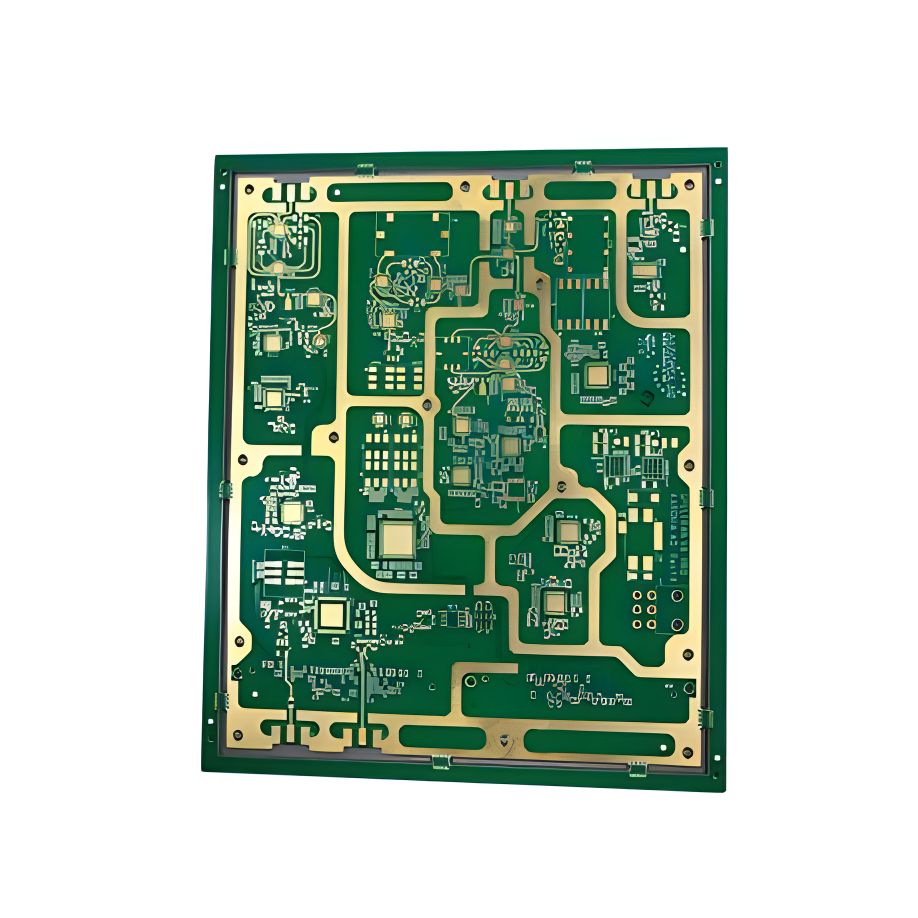 Rogers High-Frequency Board
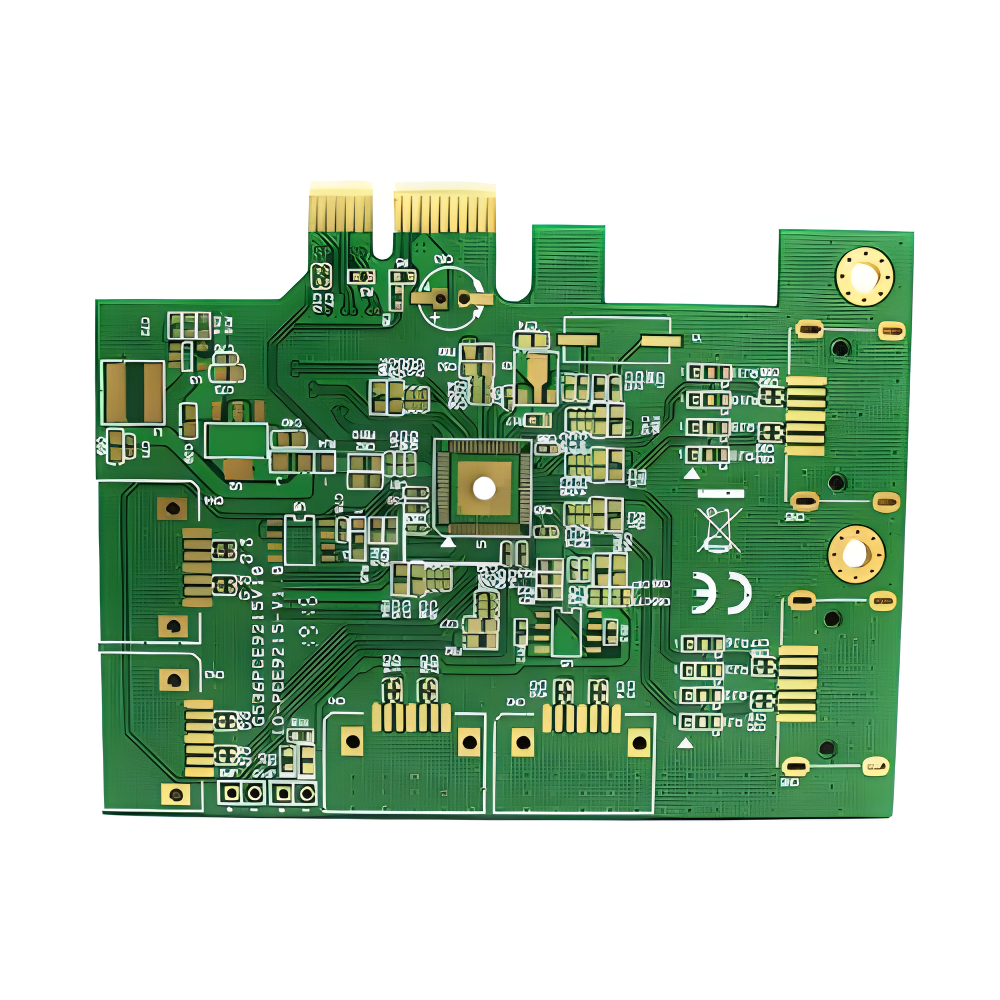 PTFE Teflon High-Frequency Board
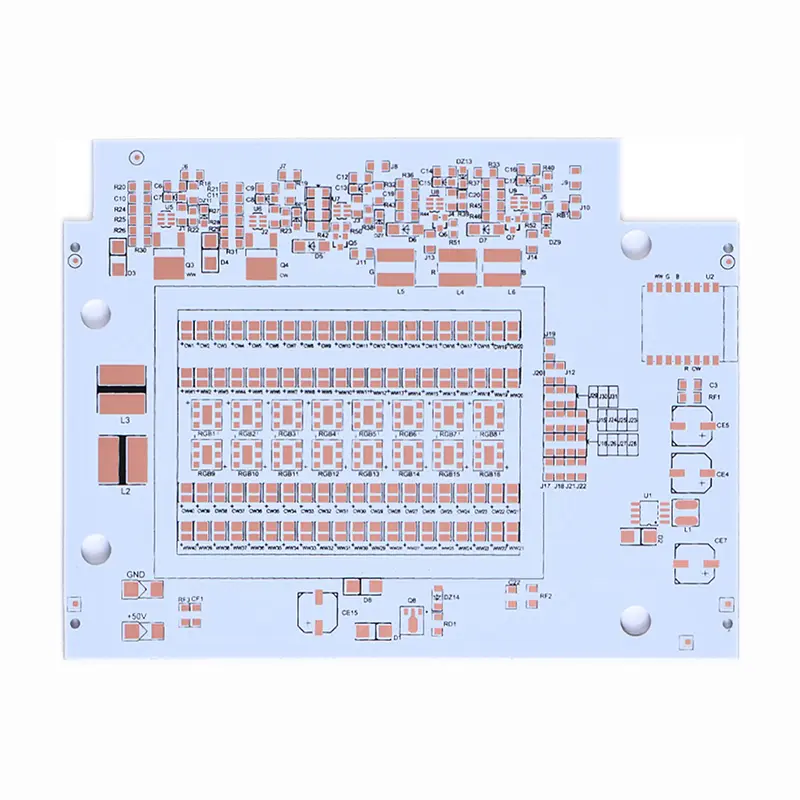 Aluminum
 Copper Core
 PCB Assembly
 LED light PCBA
 Memory PCBA
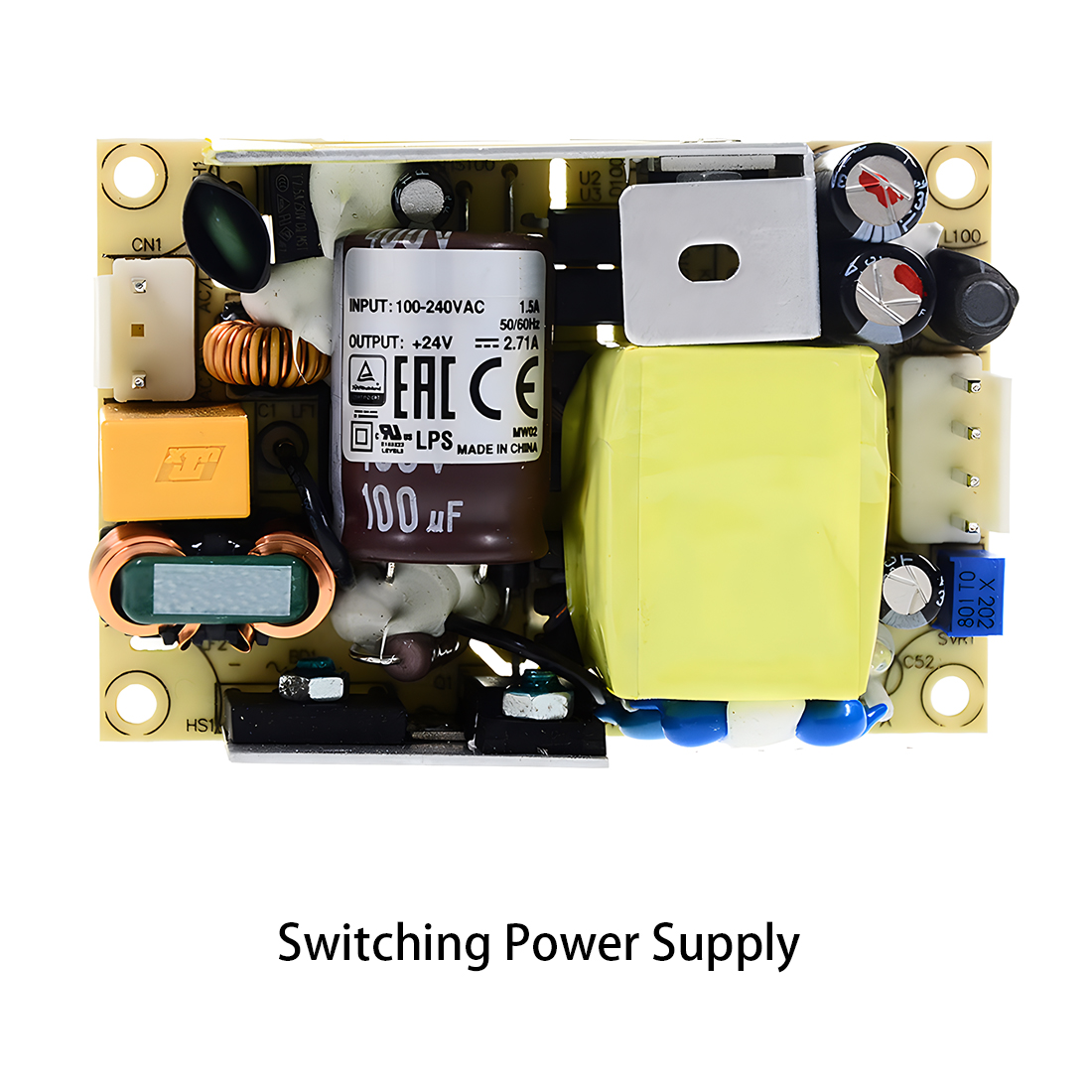 Power Supply PCBA
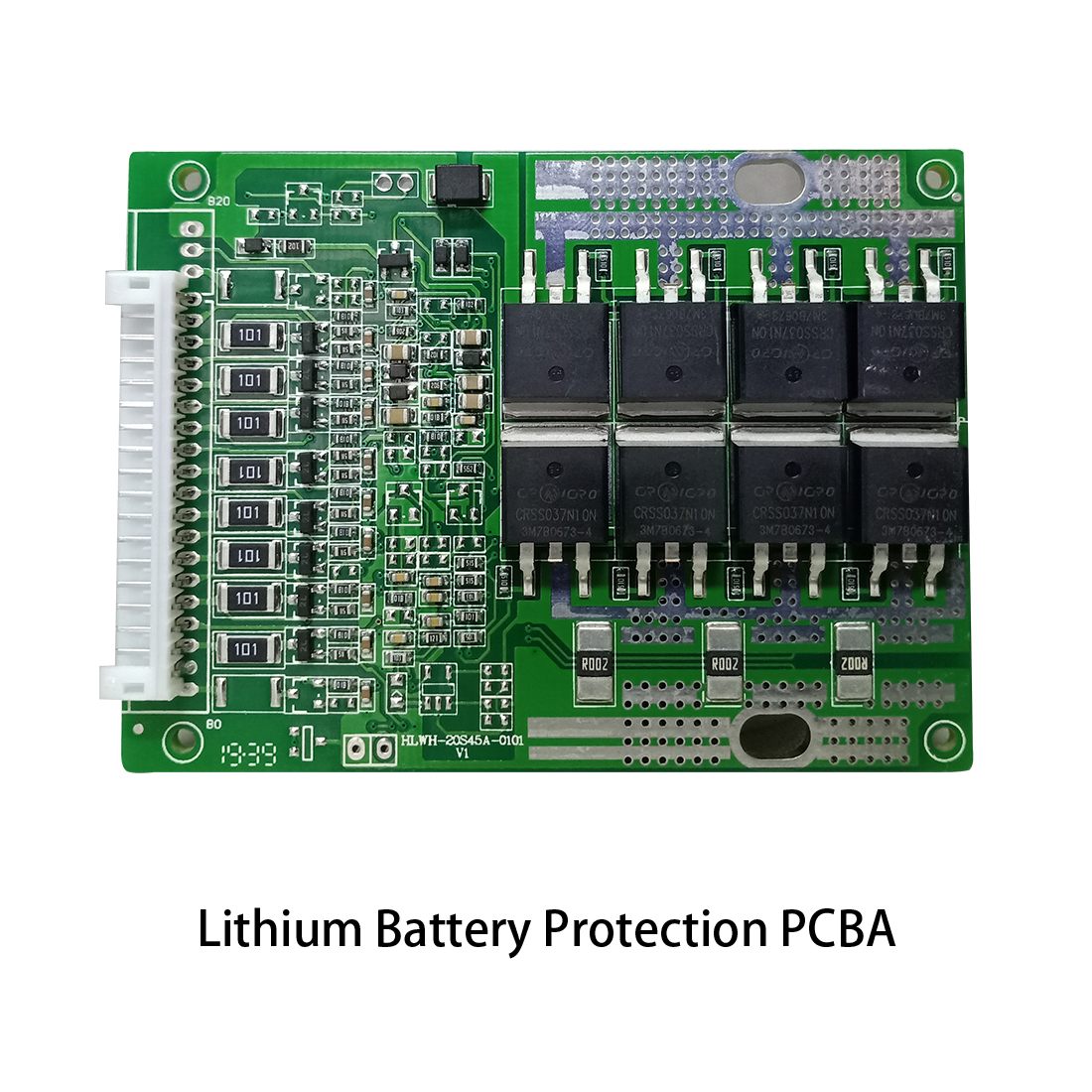 New Energey PCBA
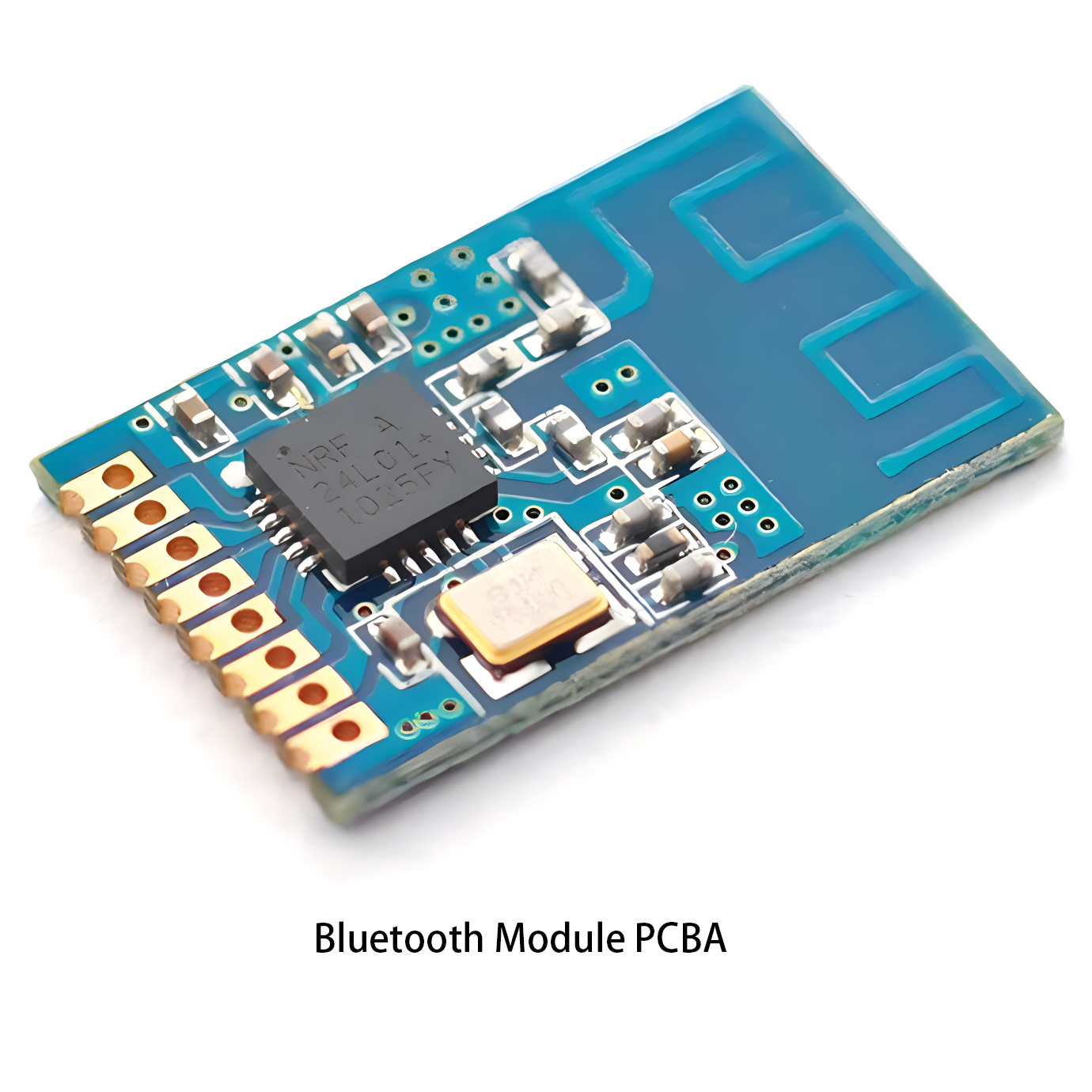 Communication PCBA
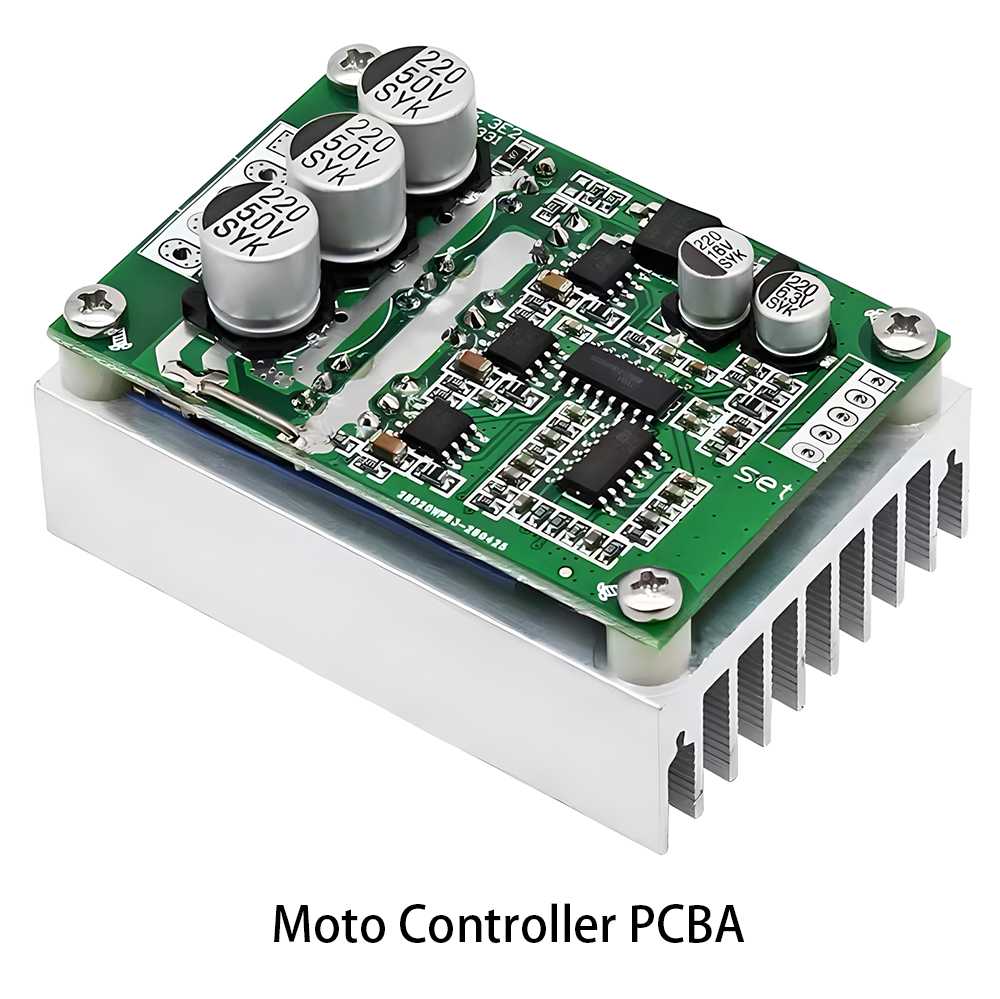 Industrial Control PCBA
 Medical Equipment PCBA
 Testing Service
 PCBA Testing Service
 Certification Application
 RoHS Certification Application
 REACH Certification Application
 CE Certification Application
 FCC Certification Application
 CQC Certification Application
 UL Certification Application
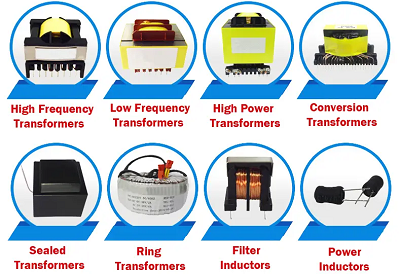 Transformers, Inductors
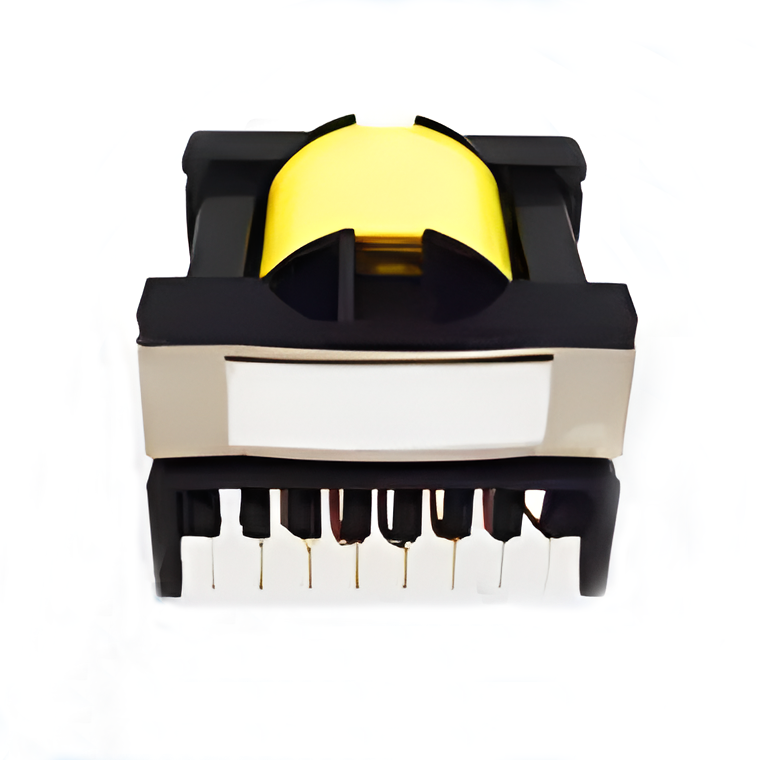 High Frequency Transformers
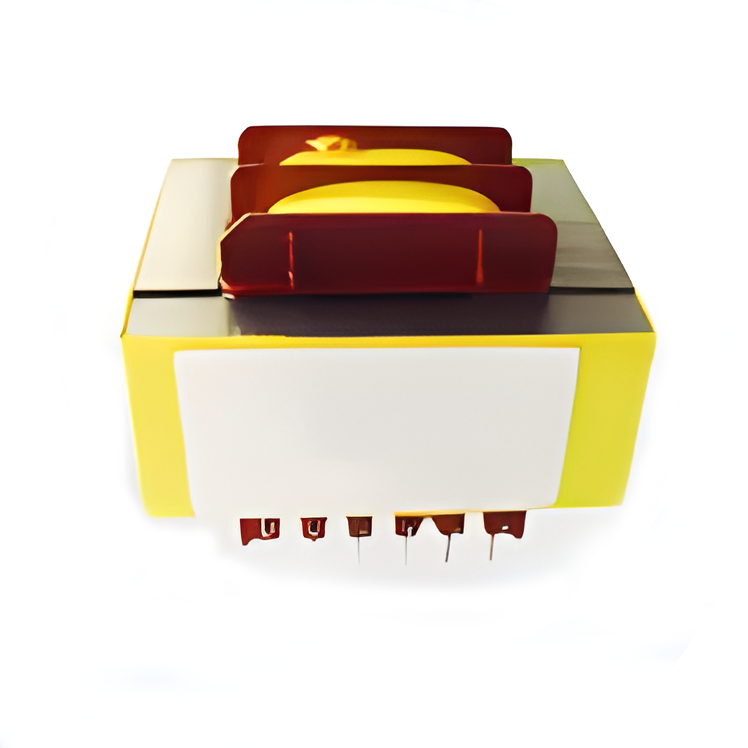 Low Frequency Transformers
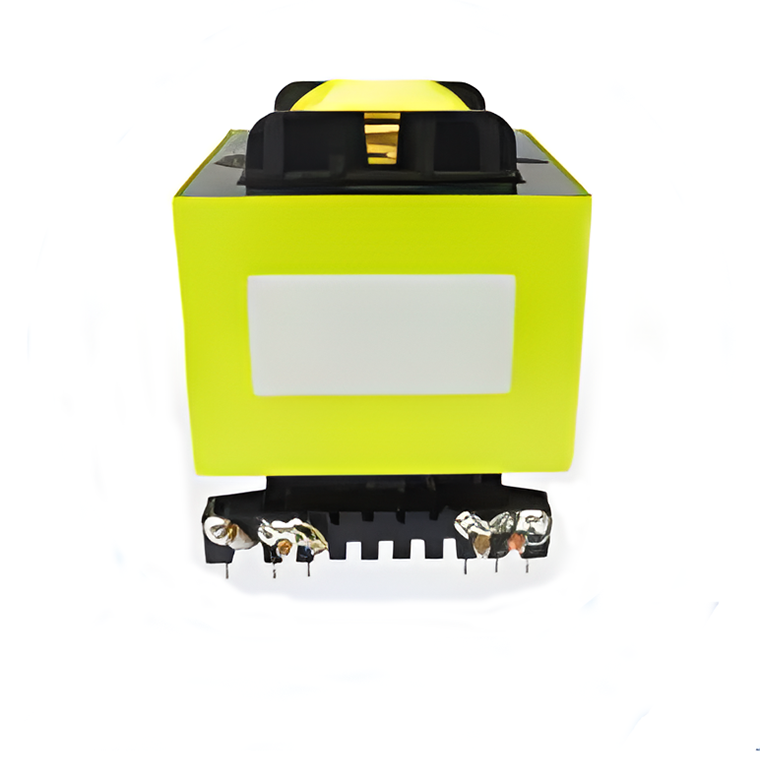 High Power Transformers
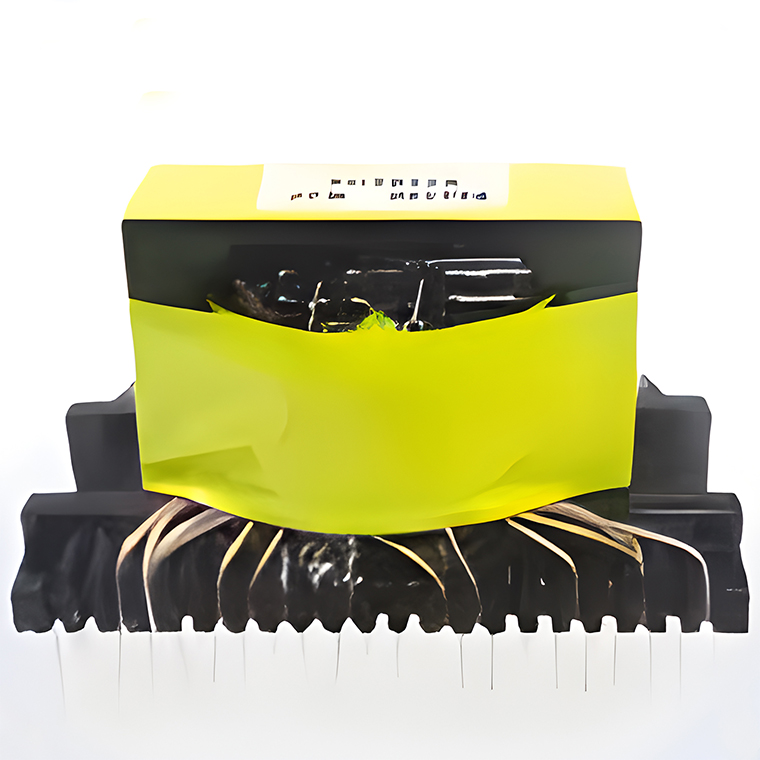 Conversion Transformers
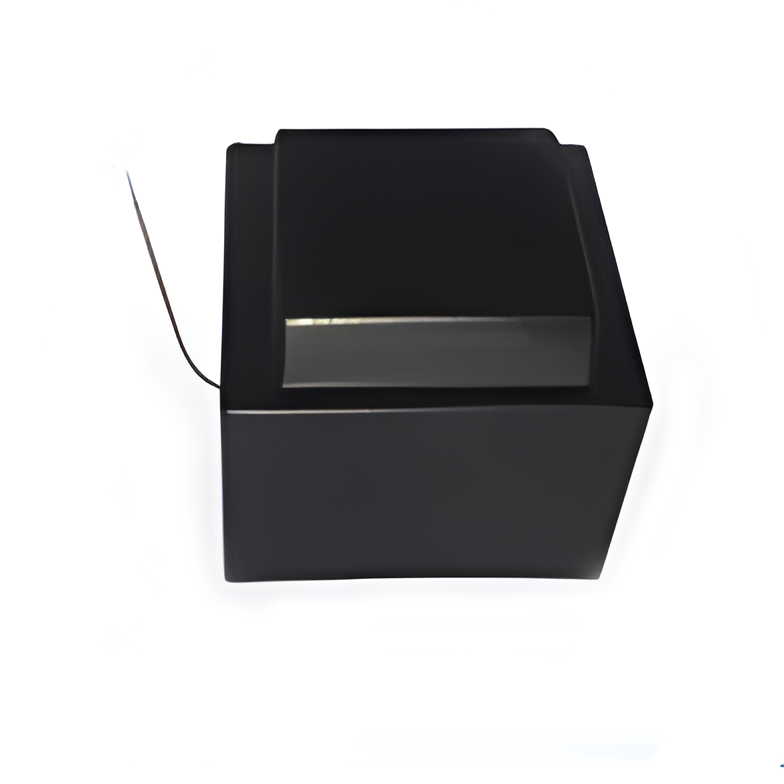 Sealed Transformers
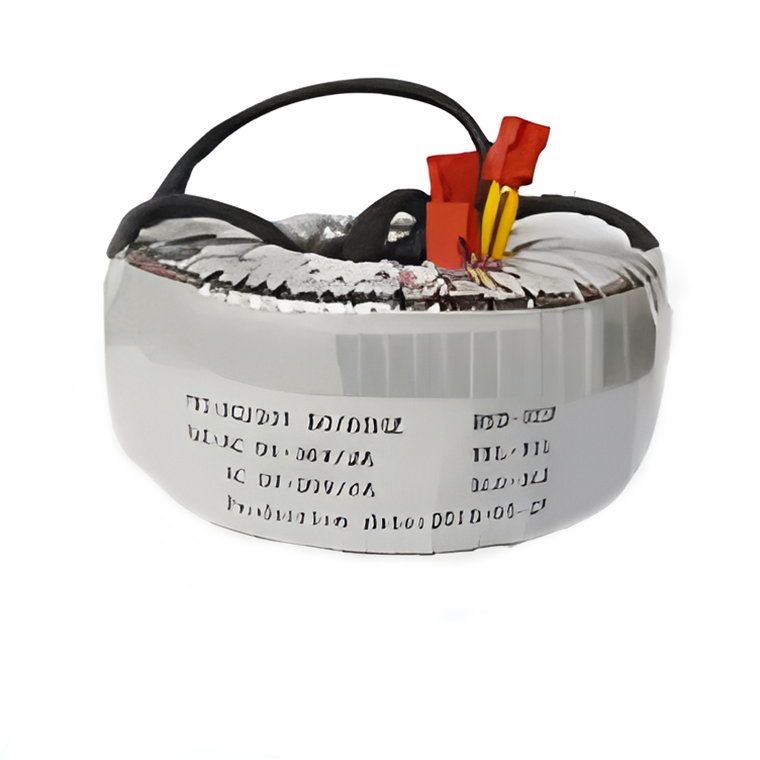 Ring Transformers
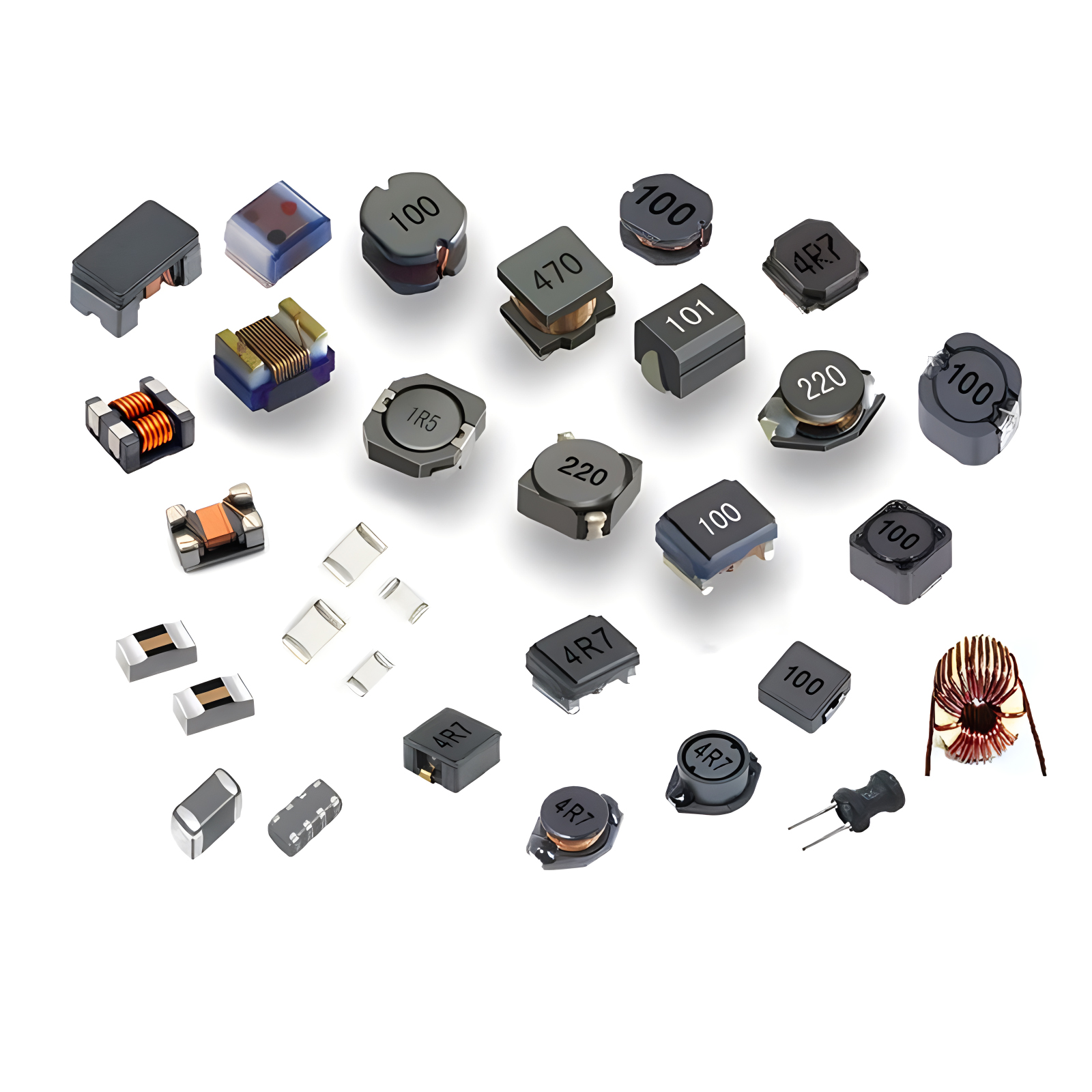 Inductors
 Wires,Cables Customized
 Network Cables
 Power Cords
 Antenna Cables
 Coaxial Cables
 Net Position Indicator
 Solar AIS net position indicator
 Digital Signal Processors (DSP/DSC)
 Microcontrollers (MCU/MPU/SOC)
 Programmable Logic Device(CPLD/FPGA)
 Through Hole Resistors
 Resistor Networks, Arrays
 Potentiometers,Variable Resistors
 Aluminum Case,Porcelain Tube Resistance
 Current Sense Resistors,Shunt Resistors
 Isolated Power Modules
 AC-DC Power Modules
 DC-AC Module(Inverter)


