When it comes to the global market, Pcb Assembly is a pretty important part of electronics manufacturing. But let’s be real—choosing the right partner isn’t always straightforward. There are quite a few hurdles to jump, and understanding these can really help you make smarter decisions. Things like quality, cost, and production capabilities are usually the big players here.
Experience definitely counts in PCB assembly. You’ll find plenty of companies, like ABC Electronics, claiming they’re experts, but sometimes it’s hard to tell if they’ve got the real-world know-how to back it up. Checking out their track record is a good place to start. Certifications can be helpful, but don’t just rely on them—sometimes they don’t tell the whole story. Having a conversation about past projects can give you a much clearer picture of how reliable a company really is.
Oh, and about cost—yeah, it’s super important, but it shouldn’t be everything. Skimping on price can sometimes mean sacrificing quality, and that’s a risky game. It’s all about finding that sweet spot between affordability and good quality when you look into PCB manufacturing and assembly. Knowing what drives up costs can help you make smarter choices, so really think about what’s most important for your specific needs. If you don’t do your homework, you might end up with results you’re not thrilled about. So, pick your partner wisely and don’t rush the decision.

Factors Influencing PCB Assembly Quality for Global Buyers
When considering PCB assembly, global buyers must focus on various key factors that influence quality. One significant aspect is the selection of appropriate materials. The choice of substrates, solder masks, and components can greatly affect the peRFormance of the final product. Using low-quality materials may lead to failures in the field. Additionally, understanding the specific requirements for each application is critical.
Another vital factor is the manufacturing processes involved in Pcb Fabrication And Assembly. Different techniques can yield varied results. For instance, the precision of soldering methods directly impacts the reliability of connections. It’s essential to evaluate the capabilities of potential partners. A lack of transparency in their processes can raise red flags.
Quality control measures should not be overlooked either. Inspections at various stages can help identify issues early on. However, some companies still ignore this step, resulting in costly revisions later. Regular audits can also enhance reliability. Ultimately, buyers need to actively engage with manufacturers to ensure their standards align with expectations.
Understanding Different PCB Assembly Methods Available
When considering PCB assembly methods, various approaches can cater to specific needs. Surface Mount Technology (SMT) is widely used for its efficiency. SMT allows for high component density, which leads to smaller and lighter boards. However, it requires precise placement and quality control. Any misalignment can result in functional issues.
Through-Hole Technology (THT) offers a different advantage. It's often employed for components that need greater mechanical strength. THT is generally more reliable in high-stress applications. Yet, this method can lead to larger board sizes and longer assembly times. It also involves more manual labor, making it less cost-effective for bulk production.
An emerging method is Hybrid Assembly, combining SMT and THT. This approach aims to leverage the benefits of both techniques. It’s essential to assess the product's requirements carefully. Decisions on assembly methods should not only focus on cost but also on reliability and performance. Understanding these nuances can greatly affect the final product's success. Mistakes in selecting an assembly method can lead to costly revisions, emphasizing the importance of thorough research and evaluation.
Key Components and Materials in PCB Manufacturing
When considering PCB assembly, understanding key components and materials is vital. The choices you make can significantly impact performance and reliability. An important material is the substrate, typically made from FR-4, a composite of woven fiberglass and epoxy resin. This material has been favored due to its balance of affordability and electrical insulation properties. A recent industry report noted that FR-4 boards comprise over 70% of the global PCB market.
Copper is another essential element. It serves as the conductive layer in PCBs. The thickness of the copper can affect current carrying capacity. Standard thickness typically ranges from 1 oz to 3 oz per square foot. However, thinner options are available for high-density applications. Notably, choices around copper thickness can influence heat dissipation characteristics, which is crucial for device longevity.
Moreover, soldering materials cannot be overlooked. Lead-free solders have become the norm, reflecting a shift towards eco-friendly manufacturing practices. According to Global Industry Analysts, the lead-free solder market is expected to grow by over 10% annually. This trend underlines the need for buyers to stay updated on materials and methods. Awareness of these aspects can inform better decisions in Pcb Fab And Assembly processes.
PCB Assembly: Key Components and Materials Used
Evaluating Suppliers: Certifications and Industry Standards
When evaluating suppliers for Pcb Smt Assembly, certifications play a crucial role. Quality management standards like ISO 9001 ensure a vendor maintains consistent quality. In fact, data from a recent industry report indicates that 75% of top manufacturers require ISO certification. This highlights its importance in establishing trust and reliability among global buyers.
Additionally, industry-specific certifications such as IPC-A-610 for workmanship standards can be critical. A supplier with IPC certification demonstrates adherence to rigorous quality benchmarks. Many companies overlook the significance of these certifications, potentially risking project success. Only 45% of buyers check for relevant certifications before placing orders, which could lead to complications later.
It's essential to consider compliance with environmental standards too. Suppliers should adhere to RoHS guidelines, ensuring products are free from harmful substances. Not adhering to these standards might invite legal troubles. Experienced buyers understand the necessity of supplier validation. They know that investing time in vetting suppliers is crucial for successful PCB SMT assembly projects.
Cost Considerations in Global PCB Assembly
Cost considerations play a crucial role in PCB assembly for global buyers. According to recent data from IPC, labor costs account for about 20-30% of total production expenses. This percentage can vary significantly across different regions. For instance, assembling PCBs in low-wage countries can drastically reduce overall costs, but there are trade-offs, such as potential communication barriers and quality control issues.
Materials are another significant expense. The price of raw materials, including copper and resin, fluctuates based on global supply chains. A report from Technavio suggests that PCB material costs can represent 45-55% of the final assembly cost. Selecting the right materials not only impacts the assembly cost but also affects product reliability. Buyers often overlook how material choices can lead to long-term savings or unforeseen expenses due to failures or recalls.
Additionally, logistics and shipping costs must be factored in. A study by Deloitte notes that these costs can add 10-20% to the final price. Buyers should analyze shipping routes and methods to mitigate these expenses. Finding a balance between cost and quality in PCB assembly is challenging. Understanding local market conditions and pricing trends is essential to make informed decisions.
Logistics and Shipping Challenges for PCB Assembly
Logistics and shipping are significant challenges in PCB assembly, especially for global buyers. A recent report from the IPC noted that about 65% of companies face delays in supply chains. These delays can stem from various factors, such as port congestion and inadequate transport networks. Global logistics networks often struggle to keep pace with increasing demand. As a result, many suppliers are left scrambling to deliver materials on time.
Shipping costs have surged dramatically, impacting assembly pricing. The Global Freight Rates index indicated an increase of nearly 200% over the past two years. Such rises create uncertainties in budgeting for projects. Moreover, potential buyers must navigate customs regulations, which can lead to unexpected delays. Many manufacturers lack expertise in international shipping logistics, complicating the assembly process significantly.
Additionally, environmental concerns have changed shipping methods. More buyers are looking for sustainable solutions to reduce carbon footprints. This shift can affect timelines and costs. Equally important, there is a need for transparency in logistics. Buyers should demand reliable tracking and communication from suppliers. A failure in this area can jeopardize entire projects. Addressing these complexities is essential for navigating the landscape of PCB assembly today.
Post-Assembly Testing and Quality Assurance Procedures
In the realm of Pcb Manufacturing Assembly, post-assembly testing and quality assurance (QA) play essential roles. Reports indicate that nearly 30% of PCB failures occur after assembly. Effective testing can help identify these issues before they reach the consumer. Implementing robust QA procedures can significantly reduce product recalls, which incurred costs estimated at $22 billion in 2020.
Testing procedures should include electrical, thermal, and mechanical evaluations. For instance, automated optical inspection (AOI) can detect surface defects efficiently. Furthermore, functional testing verifies the PCB's performance in real-world scenarios. Industry data reveals that companies employing comprehensive testing protocols see quality improvements of up to 40%.
Tips:
- Always document your testing processes.
- Involve multiple teams in the QA procedure for diverse perspectives.
- Regularly update your testing equipment to keep up with technological advancements.
While these methods enhance reliability, some companies still face challenges. Inadequate staff training can lead to overlooked defects. A survey showed that 15% of manufacturers identified talent shortages as a significant barrier. Continuous improvement in both skills and technology is crucial to maintain high standards in PCB manufacturing assembly. Evaluations should adapt as requirements evolve.
What to Consider in Pcb Assembly for Global Buyers? - Post-Assembly Testing and Quality Assurance Procedures
| Testing Procedure | Description | Purpose | Typical Duration | Frequency |
| Visual Inspection | Examine PCBs for visible defects or solder issues. | Identify defects before electrical testing. | 15-30 minutes | Every batch |
| Functional Testing | Test the PCB's functions against specifications. | Ensure the PCB works as intended. | 1-2 hours | Every batch |
| In-Circuit Testing | Test the functionality of components on the PCB. | Detect faults in individual components. | 1 hour | Every batch |
| Thermal Imaging | Detect hot spots and overheating components. | Prevent heat-related failures. | Varies | Monthly |
| Automated Optical Inspection (AOI) | Use machines to inspect PCB for defects. | Increase efficiency and accuracy in inspections. | 30 minutes | Every batch |
Revolutionizing Consumer Electronics: The Role of Rigid-Flex PCBs in Modern Device Design and Functionality
The integration of Rigid-Flex PCBs into modern consumer electronics is redefining the fundamental architecture of device design and functionality. By combining the advantages of both rigid and flexible printed circuit boards, Rigid-Flex PCBs offer an innovative solution that caters to the ever-evolving demands of compact and complex electronic devices. This technology's capability to nest multiple layers of circuits within a single board not only conserves space but also enhances the performance of devices ranging from smartphones to medical devices. As reported by industry analysts, the market for Rigid-Flex PCBs is expected to grow significantly, reaching an estimated value of over $10 billion by 2025, reflecting a compound annual growth rate (CAGR) of more than 10% during that period.
With the increasing miniaturization of electronics, Rigid-Flex PCBs provide unmatched versatility that traditional circuit board designs cannot replicate. They facilitate a streamlined design process, reducing the number of interconnections and soldering points, which in turn minimizes the potential for mechanical failure. Additionally, the multi-layer configuration of Rigid-Flex PCBs enables intricate designs that can withstand harsh conditions, which is crucial for applications in automotive, aerospace, and wearable technology. Recent studies highlight that the adoption of Rigid-Flex technology can lead to a reduction in overall manufacturing costs by approximately 20%, translating into significant savings for electronics manufacturers.
In embracing this advanced technology, designers and engineers can push the boundaries of what is possible in electronic device functionality, leading to more robust, compact, and efficient products. As consumer expectations continue to grow, leveraging Rigid-Flex PCBs will undoubtedly play a pivotal role in meeting the challenges of modern electronics design.
FAQS
: Labor costs account for about 20-30% of total production expenses.
Assembling in low-wage countries can reduce costs, but may introduce communication barriers and quality control issues.
PCB material costs can represent 45-55% of the final assembly cost.
Material choices impact assembly costs and product reliability, influencing long-term savings or expenses.
Shipping routes and methods can add 10-20% to the final price; optimizing these helps reduce costs.
Nearly 30% of PCB failures occur after assembly.
Electrical, thermal, and mechanical evaluations are crucial for testing PCB quality.
Inadequate training can lead to overlooked defects, impacting overall product quality.
Document processes, involve multiple teams, and regularly update testing equipment for improvements.
Talent shortages have been identified as a significant barrier by 15% of manufacturers surveyed.
Conclusion
When considering PCB assembly for global buyers, several critical factors must be addressed to ensure quality and efficiency. Key elements influencing PCB assembly quality include understanding different assembly methods, selecting appropriate components and materials, and evaluating suppliers based on their certifications and adherence to industry standards. Additionally, cost considerations play a significant role in the decision-making process, as they directly impact the overall feasibility of PCB assembly projects.
Logistics and shipping present additional challenges, often affecting delivery timelines and costs. Effective management of these logistics is essential for successful global operations. Furthermore, implementing rigorous post-assembly testing and quality assurance procedures is crucial to ensure that the assembled PCBs meet performance and reliability standards. By carefully assessing these factors, global buyers can achieve optimal results in their PCB assembly endeavors.

 Capacitors
 Connectors
 Diodes
 Embedded Processors & Controllers
 Communication Modules/IoT
 Resistors
 Switches
 Transistors
 Power Modules
 RF and Wireless
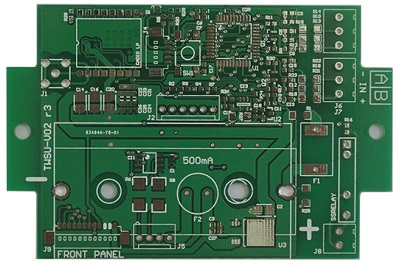 PCB
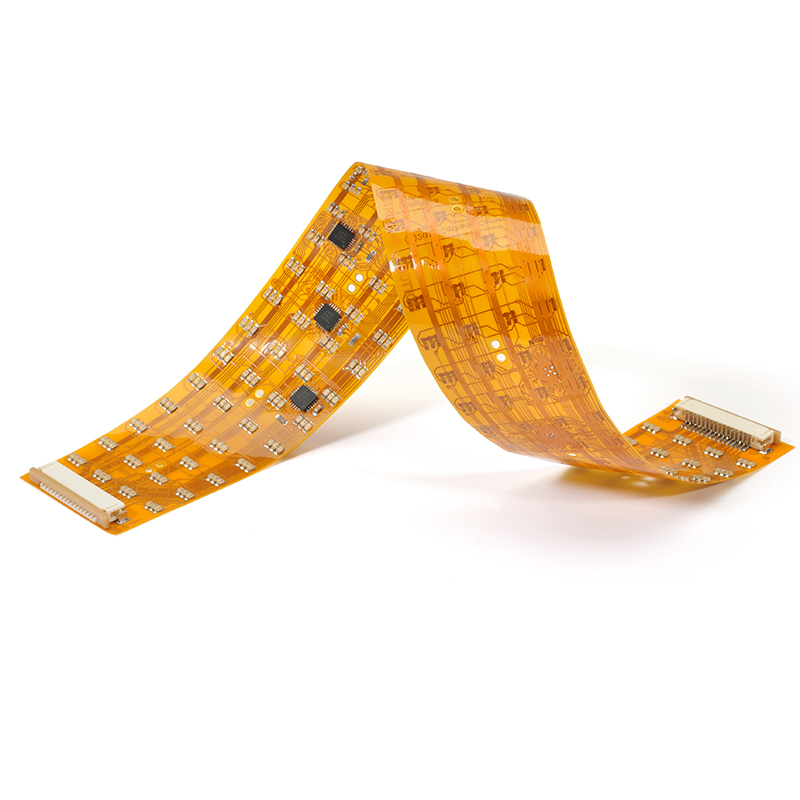 FPC
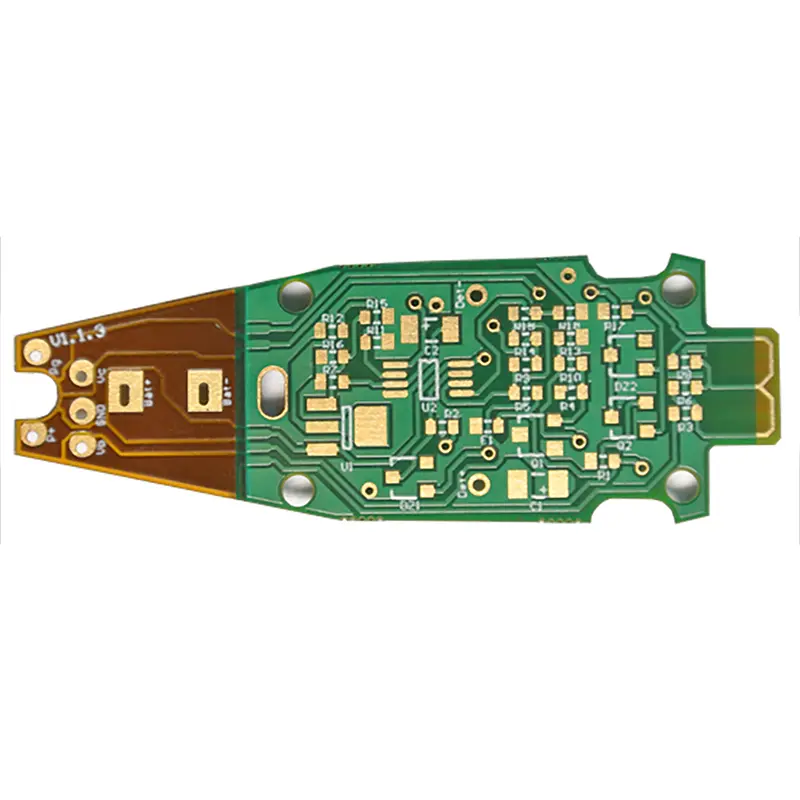 Rigid-Flex
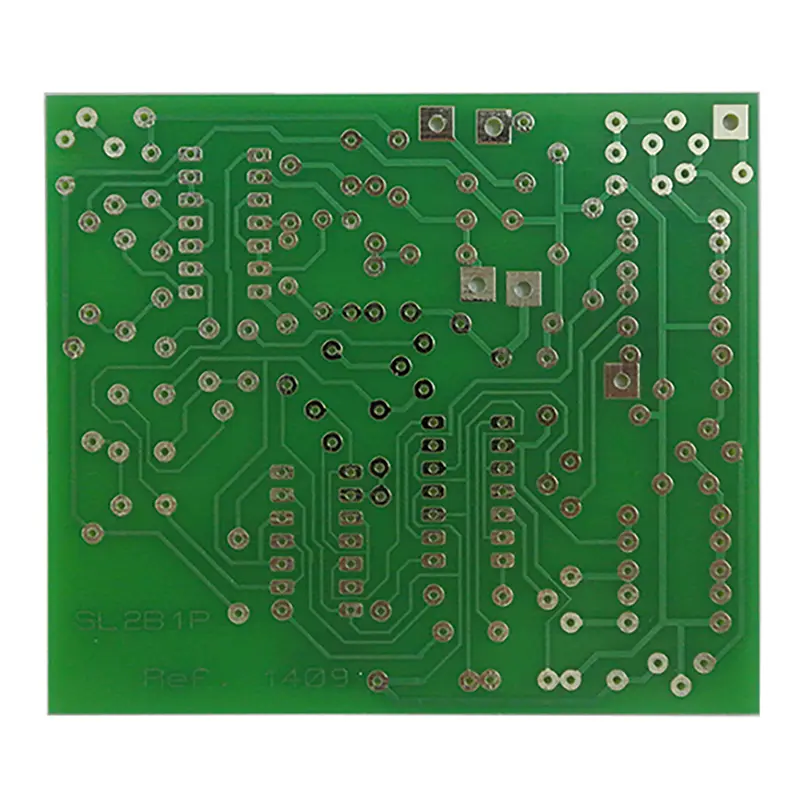 FR-4
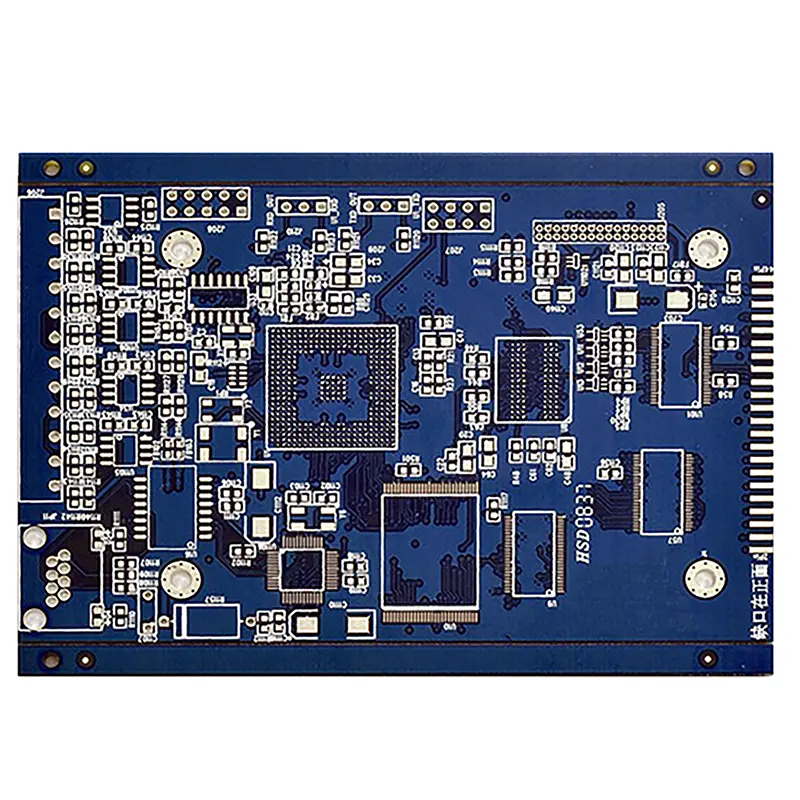 HDI PCB
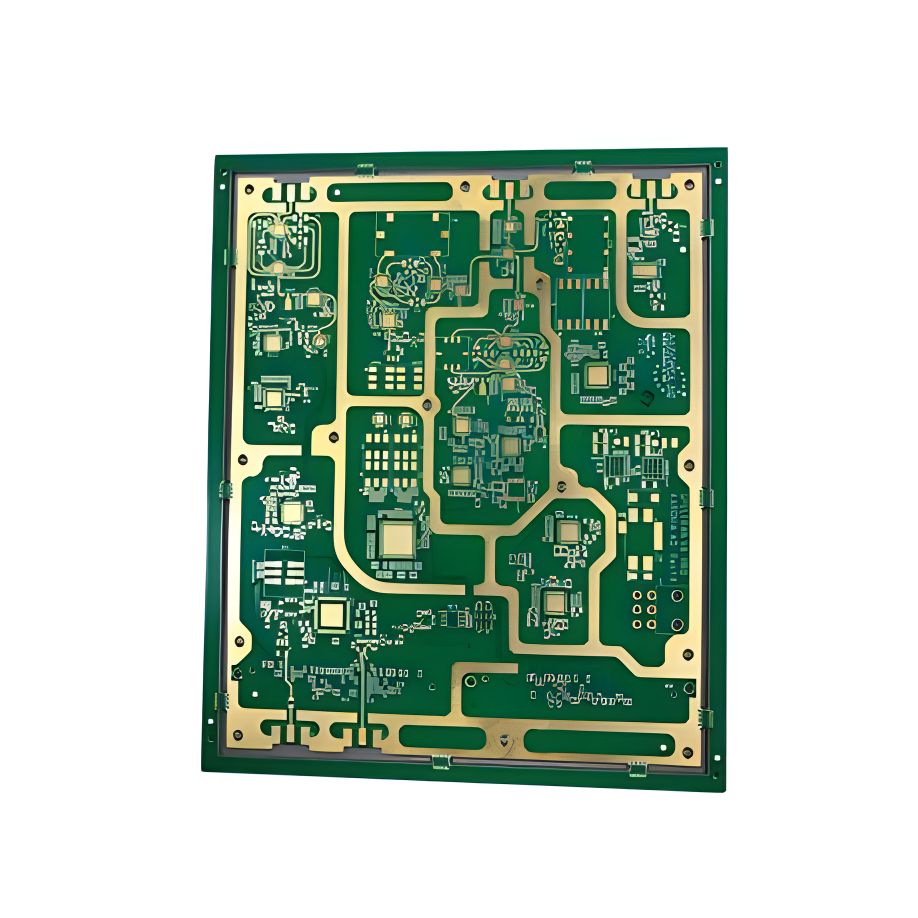 Rogers High-Frequency Board
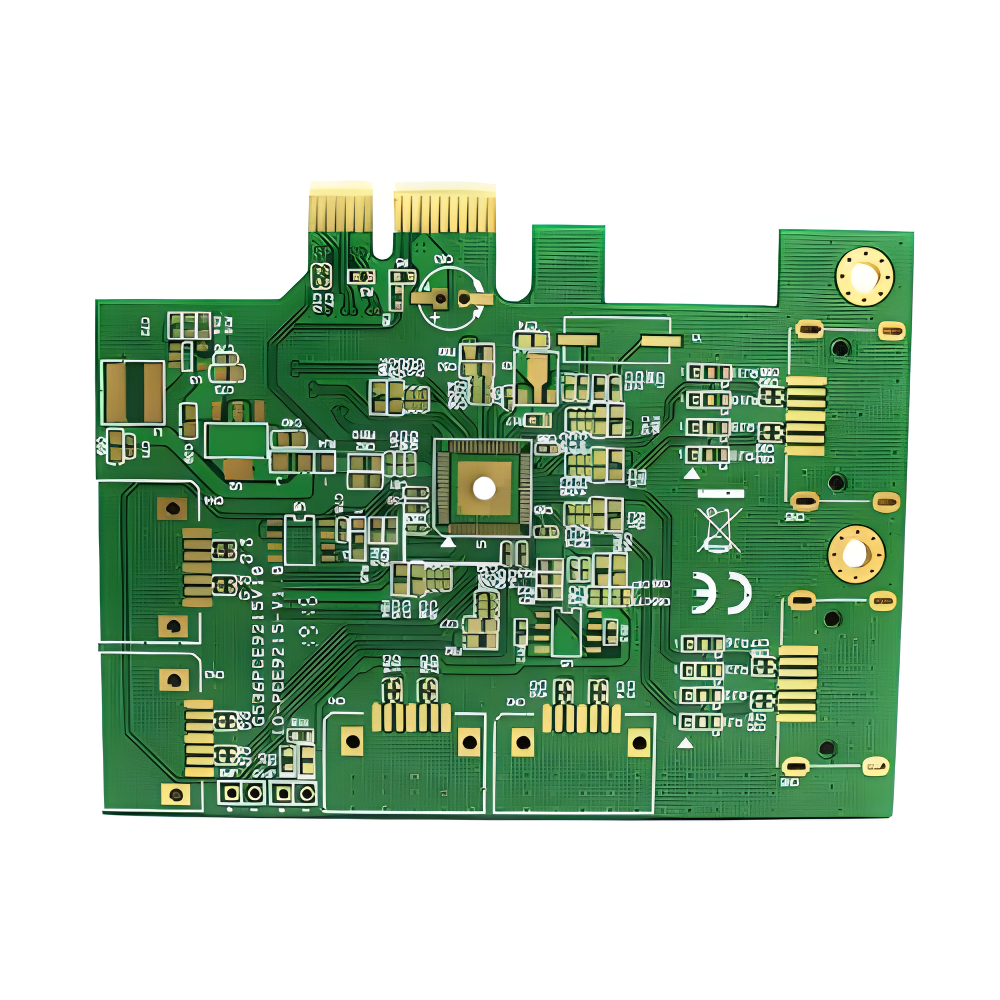 PTFE Teflon High-Frequency Board
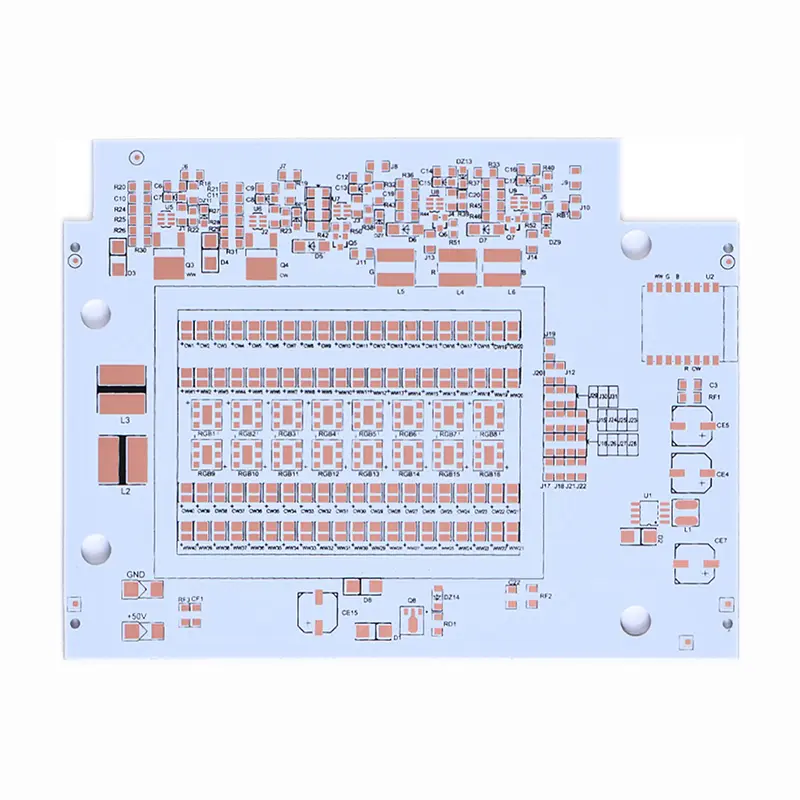 Aluminum
 Copper Core
 PCB Assembly
 LED light PCBA
 Memory PCBA
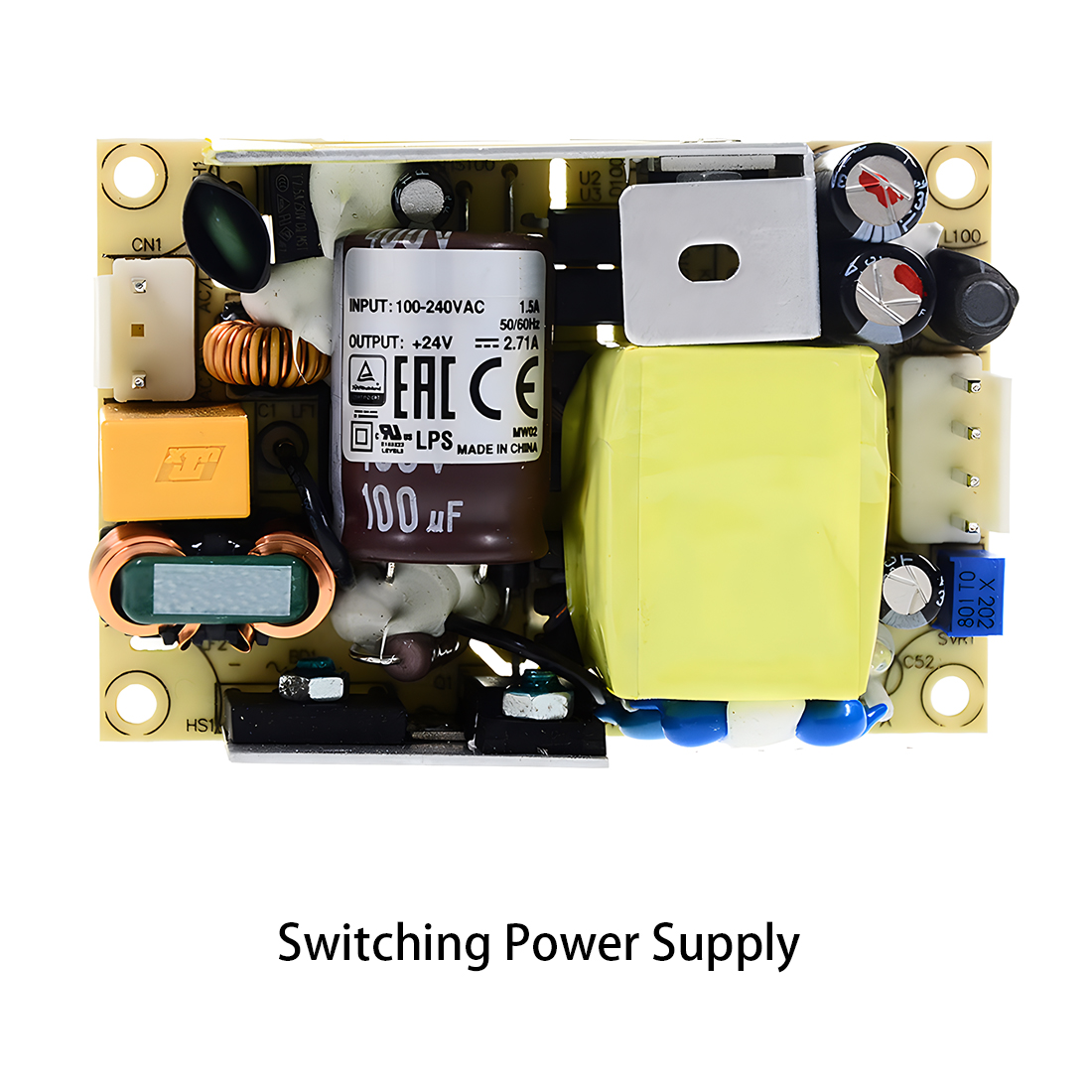 Power Supply PCBA
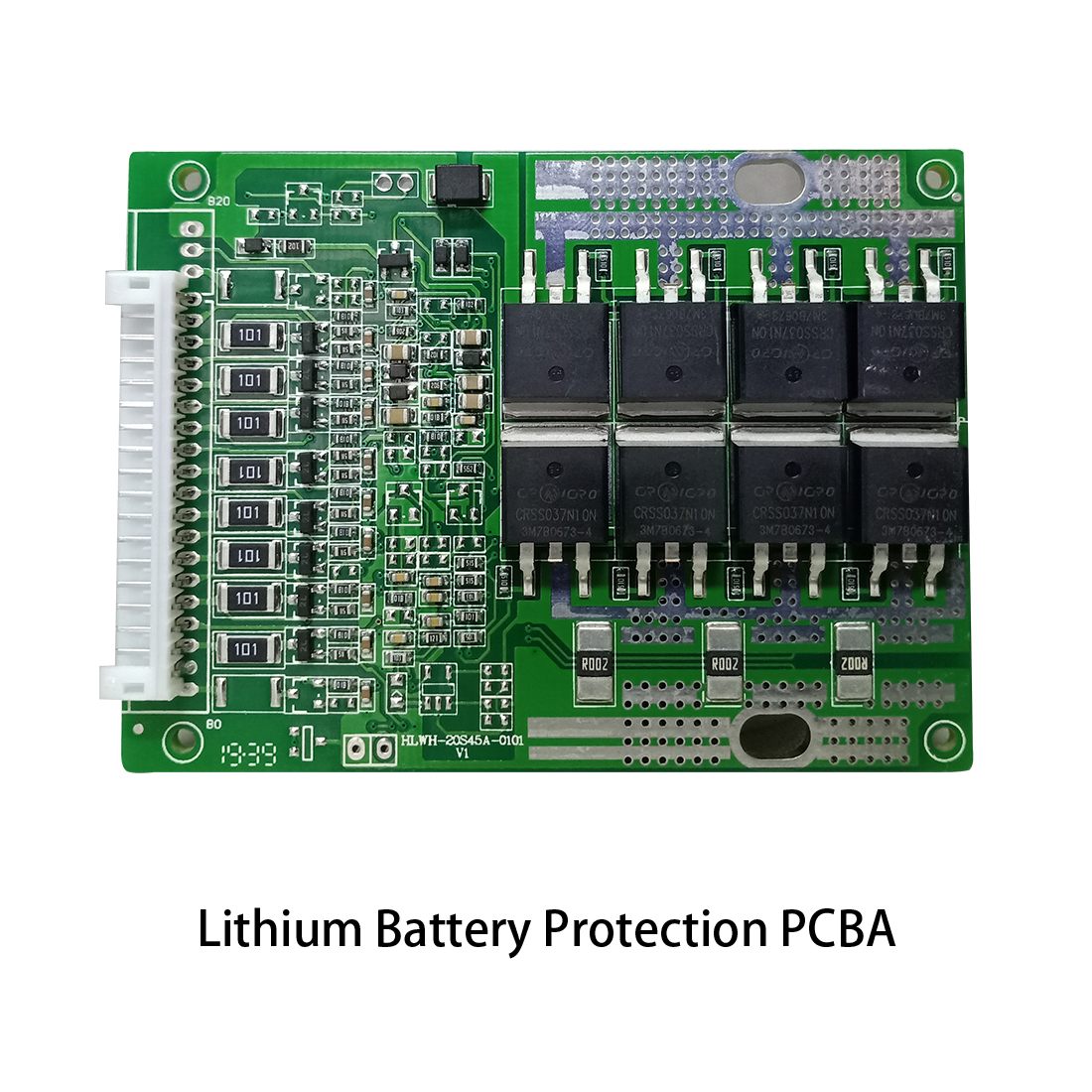 New Energey PCBA
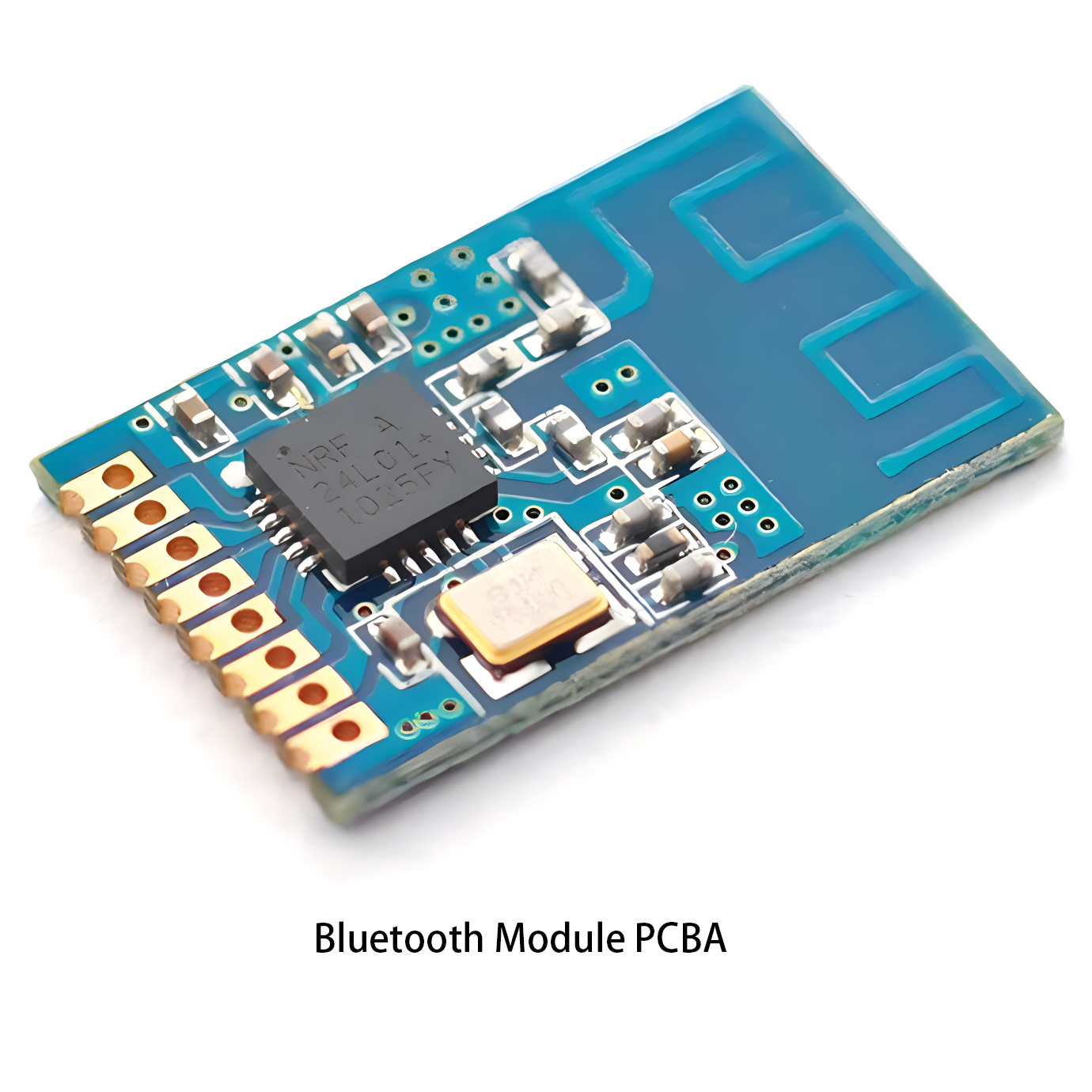 Communication PCBA
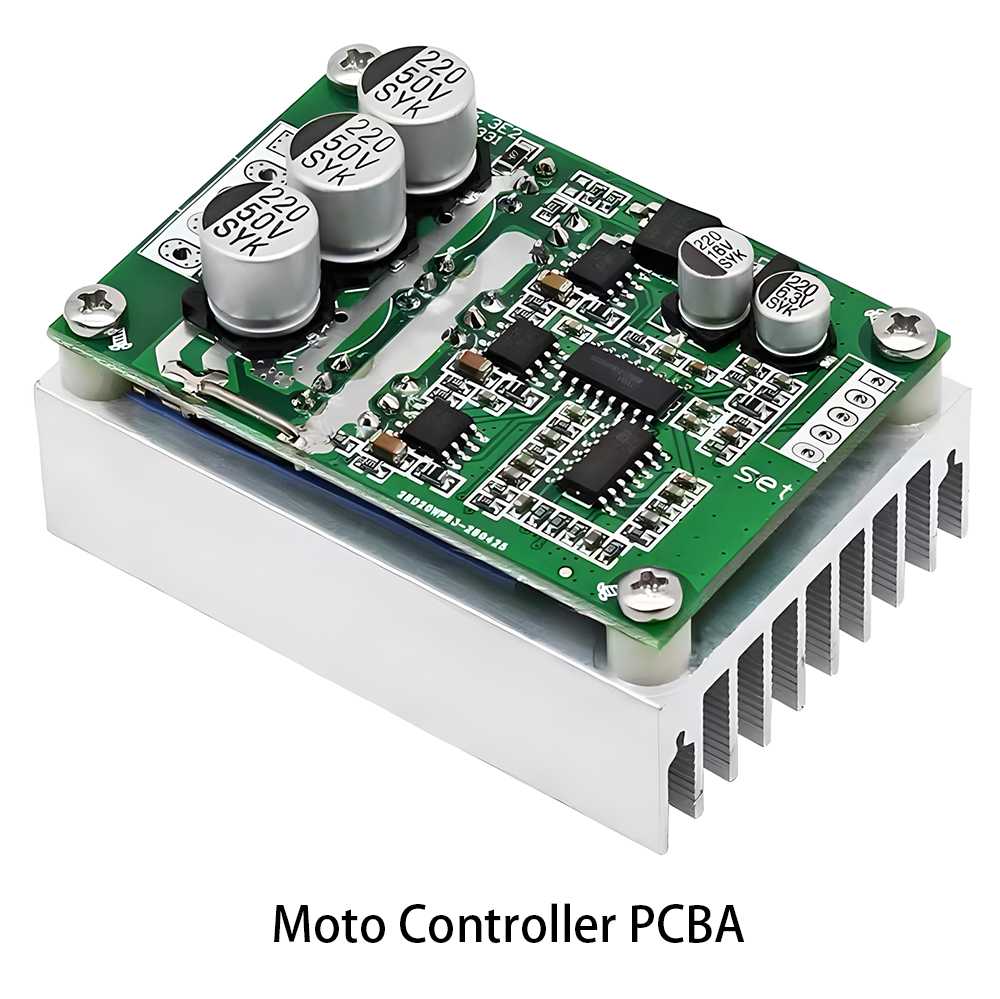 Industrial Control PCBA
 Medical Equipment PCBA
 Testing Service
 PCBA Testing Service
 Certification Application
 RoHS Certification Application
 REACH Certification Application
 CE Certification Application
 FCC Certification Application
 CQC Certification Application
 UL Certification Application
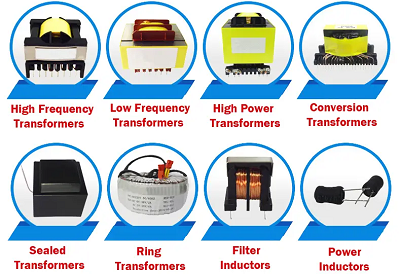 Transformers, Inductors
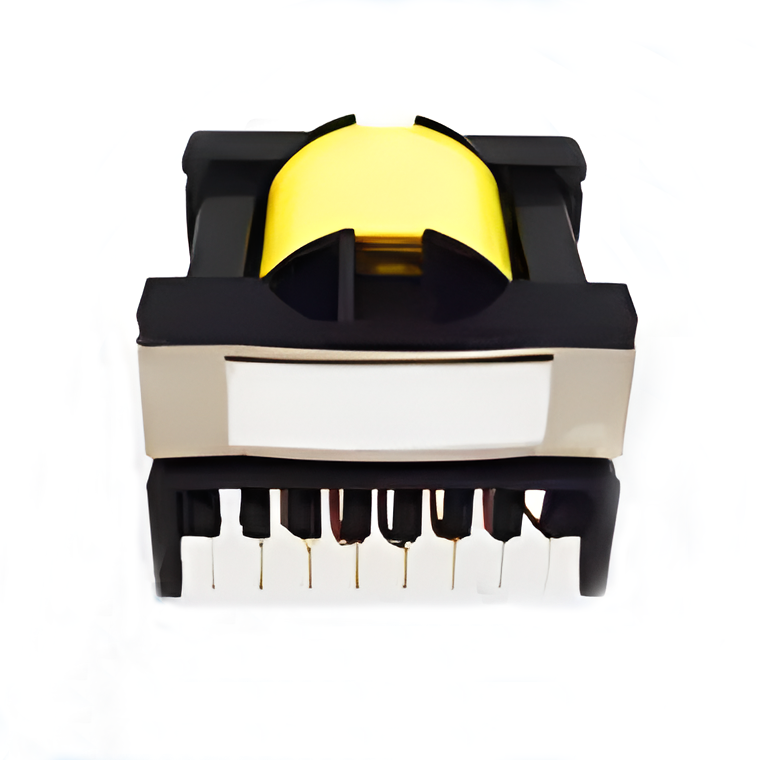 High Frequency Transformers
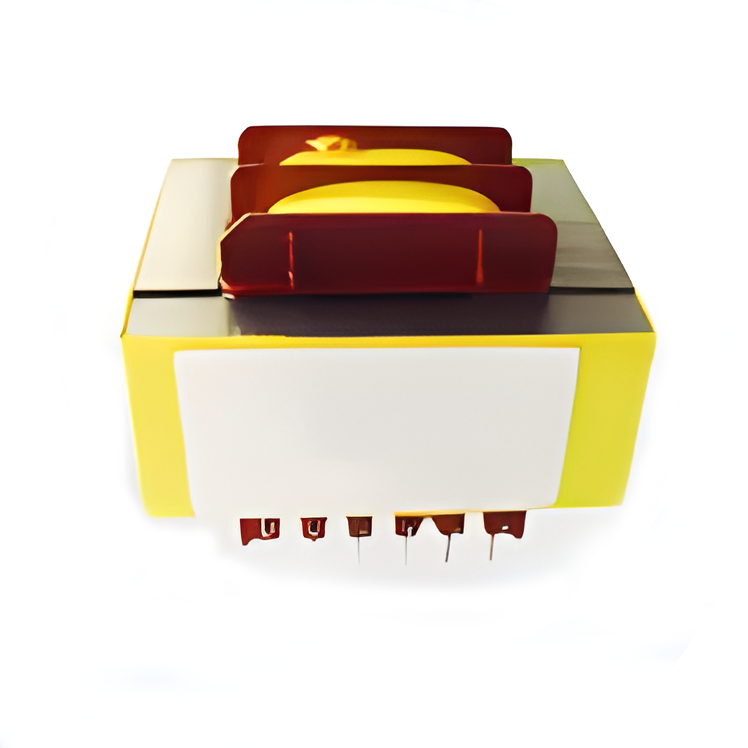 Low Frequency Transformers
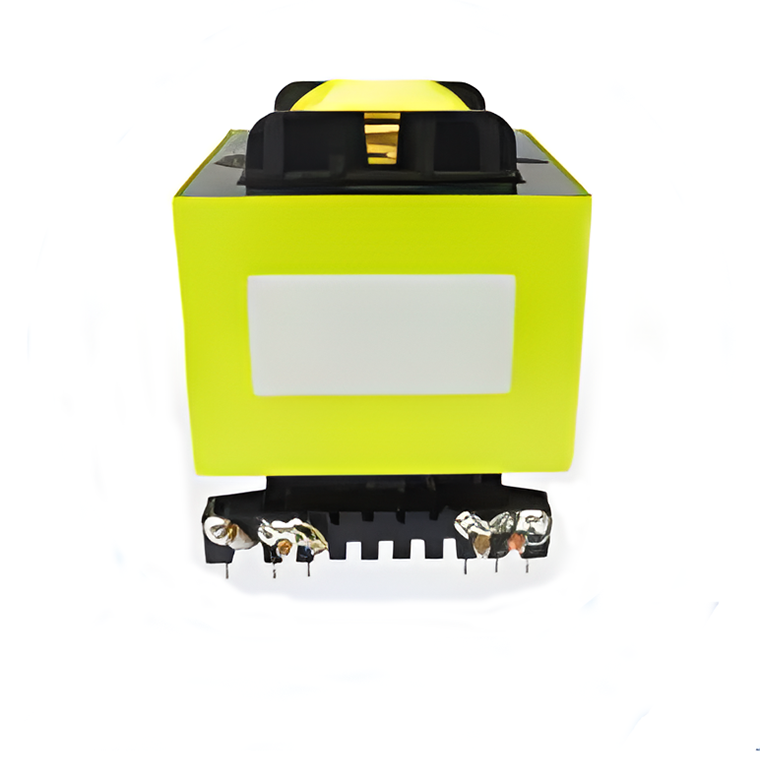 High Power Transformers
 Conversion Transformers
 Sealed Transformers
 Ring Transformers
 Inductors
 Wires,Cables Customized
 Network Cables
 Power Cords
 Antenna Cables
 Coaxial Cables
 Net Position Indicator
 Solar AIS net position indicator
 Digital Signal Processors (DSP/DSC)
 Microcontrollers (MCU/MPU/SOC)
 Programmable Logic Device(CPLD/FPGA)
 Through Hole Resistors
 Resistor Networks, Arrays
 Potentiometers,Variable Resistors
 Aluminum Case,Porcelain Tube Resistance
 Current Sense Resistors,Shunt Resistors
 Isolated Power Modules
 AC-DC Power Modules
 DC-AC Module(Inverter)


