In today's rapidly evolving electronics landscape, the significance of effective PCB assembly procurement cannot be overstated. As a cornerstone of modern electronic design, the global PCB assembly market is projected to reach USD 100 billion by 2026, growing at a compound annual growth rate (CAGR) of 4.5%. This growth is propelled by increasing demands for miniaturization and high-peRFormance electronics across various industries, from consumer electronics to automotive applications. Companies like Minintel Technology Co., Ltd. and Mingying Technology Co., Ltd., as leading PCBA manufacturers, are at the forefront of providing advanced electronic solutions that meet these evolving market needs.
To achieve success in Pcb Assembly procurement, organizations must navigate a complex array of factors that can significantly impact their manufacturing processes and overall project outcomes. Understanding these game-changing factors is crucial for businesses aiming to enhance their efficiency, reduce costs, and ensure the highest quality in their electronic products. In this blog, we will explore five key considerations that can elevate your PCB assembly procurement strategy and help you leverage the strengths of established manufacturers like Minintel Technology Co., Ltd. and Mingying Technology Co., Ltd. for optimal results.

Identifying Key Requirements for PCB Assembly Projects
When you're diving into PCB assembly projects, figuring out what you really need is super important for making sure procurement goes smoothly. I mean, with technology moving so fast—especially with stuff like AI and those smart defect detection tools—it totally impacts what procurement teams have to keep an eye on. I came across some recent reports that talked about how Shanghai is really pushing the envelope with detection tech, like these AI-based sensing chips, which just underscores how vital it is to bring the latest tech into PCB assembly. You want to pick manufacturers that are on top of these advancements because it can really boost both efficiency and the reliability of the products. And you know, as quality control and compliance standards keep evolving, the need to nail down those requirements just gets more crucial. Take that recent move by the Ministry of Industry and Information Technology (MIIT)—they were actually asking for feedback on official national standards for automotive door handles. That’s a pretty clear sign that the industry is really committed to making safer, more reliable components. I read that in a 2023 industry report, a shocking 70% of PCB failures came from not having proper quality assurance. Can you believe that? It really shows why aligning your PCB assembly criteria with the newest regulatory and quality standards matters the most. Plus, with all the buzz around data security and compliance—especially as companies gear up for new regulations—it’s pretty essential for procurement strategies to now consider how data is handled and protected. As hacking threats get more sophisticated, it’s like the industry has to focus on manufacturers who aren’t cutting corners on data security. So, bringing these evolving requirements into your procurement game plan not only makes it more likely to succeed but also raises the bar for the quality and safety of the final products we all rely on.

Evaluating Supplier Capabilities and Expertise
When you're diving into PCB assembly procurement, the most important thing is figuring out what your potential suppliers are really bringing to the table. It’s not just about their flashy portfolios; you need to see if they actually have the technical chops and solid experience in PCB manufacturing. This means checking out how well they can tackle complex designs, work with a variety of materials, and navigate those advanced manufacturing processes. A great supplier won’t just tick all the boxes; they’ll also throw in some valuable insights and suggestions during the design phase that can really elevate the final product.
Then there’s the tech side of things, which you can’t ignore. In the fast-paced world of electronics we live in today, it’s crucial that suppliers are on top of the latest technologies and equipment. You know, stuff like automated assembly processes, quality assurance techniques, and cutting-edge testing methods. If a supplier is all about investing in the latest tech, it usually means better efficiency and accuracy in production—which pretty much equals more reliable PCBs for you.
Last but definitely not least, you’ve got to check out a supplier's track record and what their past customers are saying about them. Talking to previous clients can give you those insider details about a supplier’s reliability, how they respond to issues, and their overall performance. A supplier with a solid reputation for quality and service is going to be a real partner, supporting your project from start to finish. That’s the sort of asset you want in your PCB assembly procurement strategy.

Understanding the Impact of Lead Times on Procurement Success
Okay, let’s talk about PCB assembly procurement for a minute. You really need to get a handle on lead times if you want to be successful in this game. So, what are lead times, exactly? It’s basically the time it takes from when you place your order to when that shiny, finished product shows up at your doorstep. In our fast-paced electronics world, where everyone is scrambling for the latest tech, keeping your production schedules organized is super important. If you underestimate lead times, you might run into some serious delays, and trust me, that can wreak havoc on your project timelines and leave your customers feeling frustrated.
Now, properly managing lead times can be a game-changer for your procurement strategies. You’ve got to juggle a bunch of factors like component availability, how the manufacturing processes work, and the ins and outs of supply chain logistics. Just imagine running into a sudden shortage of a crucial component! That could totally throw your production off track and lead to some expensive re-sourcing headaches. By building solid relationships with your suppliers and keeping flexible procurement strategies in your back pocket, you can really minimize the risks that come with lead time variations and keep your production flowing smoothly.
But here’s the thing: understanding lead times isn’t just about operations. It’s a big deal for budgeting and managing costs, too! If your lead times are too long, you’re just piling on those holding costs and tying up capital longer than you want. On the flip side, if you can get better predictability with your lead times, you’ll have tighter inventory controls and more accurate budgeting, which really boosts your overall operational efficiency. To sum it up, businesses that make lead time analysis a priority in their PCB assembly procurement can set themselves up for a way better competitive edge and long-term success.

Assessing Quality Control Processes in PCB Assembly
You know, when it comes to getting PCB assembly right, one of the biggest things you really have to think about is the quality control processes they're using. Solid quality control is key—it makes sure that every little component and assembly sticks to industry standards, which, let’s be honest, is super important for performance and longevity. Using thorough testing methods, like Automated Optical Inspection (AOI) and X-ray inspection, helps manufacturers catch defects early on in the production phase. These techs don’t just boost the reliability of the final product; they also save a ton of hassle and costs down the line by cutting out unnecessary rework and delays.
But it’s not just about the testing; a really solid quality management system needs to take into account every single step of the PCB assembly journey. This involves everything from scouting good suppliers, inspecting incoming materials, to keeping an eye on everything throughout manufacturing. Building good relationships with suppliers who care about quality can seriously help dodge the risks that come with shoddy components. Plus, making it a point to regularly audit and assess supplier practices is crucial to keep everything up to snuff with those quality standards, which keeps the whole assembly process on track.
And hey, having a dedicated quality assurance team can really step up the oversight during assembly. They can roll out standard operating procedures (SOPs) and train everyone on the best practices, ensuring that the whole crew is on the same page when it comes to producing top-notch results. This kind of proactive approach not only creates a culture of quality within the team but also gives clients peace of mind that their products are not just good, but actually great. So by really digging into these quality control processes, businesses can nail PCB assembly procurement, leading to more reliable electronics and, of course, happy customers.
Exploring Cost Considerations Beyond the Initial Quote
So, when it comes to buying PCB assemblies, a lot of companies really zero in on that first quote. But you know what? If they skip over the long-term costs, it can bite them later on. There’s this report by IPC-Association Connecting Electronics Industries that says those sneaky hidden costs can actually balloon project budgets by up to 30%. Pretty eye-opening, right? It really drives home why it’s crucial to take a good hard look at all the cost factors. You definitely don’t want to miss the ones that aren’t glaringly obvious right off the bat.
One thing that people often brush aside is the cost of quality assurance. A study from the Aberdeen Group showed that companies with solid quality programs can chop 27% off their overall production costs. I mean, it makes sense! If you invest in thorough quality checks early in the game, you can catch those pesky defects and save yourself a ton of rework later. So, it’s totally worth considering things like testing protocols, the reliability of materials, and the reputation of your suppliers when you're trying to figure out the total cost of ownership for your PCB assemblies.
And let’s not forget about how supply chain dynamics play into all of this. According to Research and Markets, the global electronics market is expected to grow by a solid 6.8% between 2023 and 2028. As demand goes up, prices for components can swing wildly, which can impact your procurement costs. So, it’s super important to get a handle on how price fluctuations might affect you and come up with strategies to cushion against those risks. Whether that means locking in long-term contracts or building relationships with multiple suppliers, it can really pay off to be prepared. If companies think beyond just that initial quote, they can set themselves up for real, sustainable success in their PCB assembly projects.
The Role of Communication in Supplier Relationships
You know, effective communication really is the backbone of solid relationships with suppliers in PCB assembly procurement. When companies take the time to streamline their communication, it doesn’t just promote transparency—it actually boosts collaboration, making it easier to tackle the tricky bits of electronic manufacturing. Setting clear expectations right from the start helps dodge misunderstandings, so everyone can put their energy into innovation and quality.
Regular check-ins and updates are super important for keeping a good vibe in any supplier relationship. These chats give you a chance to talk about ongoing projects, iron out any new challenges, and share feedback. By keeping that open line of communication, businesses can make sure their suppliers are on the same page and are up to speed with any changes in design specs or timelines.
Plus, using digital tools for communication can really up your game in terms of efficiency. Platforms that let you do instant messaging, project management, and real-time collaboration keep teams connected, no matter where they are in the world. This not only speeds up decision-making but also strengthens the partnership by fostering a sense of unity and shared goals, which ultimately leads to better results in PCB assembly procurement.
Leveraging Technology for Streamlined Procurement Processes
You know, in the really fast-changing world of PCB assembly procurement, embracing technology has pretty much become essential if you want to succeed. A recent report from Technavio mentions that the global PCB market is set to grow by a whopping $10.48 billion between 2021 and 2025, and a big part of that growth is all about how companies are jumping on advanced tech solutions. By bringing in automation and AI into their procurement processes, businesses are managing to make things run smoother, cut down on lead times, and boost their overall efficiency.
One of the coolest things about using tech is having access to real-time data analytics. According to a 2022 Gartner report, organizations that make decisions based on data are five times more likely to make quick calls compared to their competitors—pretty crazy, right? This means procurement teams can keep an eye on supplier performance, inventory levels, and market trends in real-time, letting them make smarter purchasing choices that fit with their project timelines and budget constraints.
Plus, with the rise of procurement management software, collaboration across supply chains has really taken off. A McKinsey study points out that companies that improve their collaborative processes could see their revenue jump by as much as 15%. These tools make communication between stakeholders so much better, providing transparency and letting everyone adapt quickly to changing demands or hiccups in the supply chain. By embracing these tech advancements, businesses aren’t just achieving procurement success; they're also laying down a solid foundation for future growth and innovation in PCB assembly.
Sustainability and Compliance: Factors in PCB Assembly Choices
You know, sustainability has really become a big deal when it comes to buying PCB assemblies these days. As more folks are waking up to environmental issues, manufacturers find themselves under pressure to adopt practices that help cut down on their ecological impact. This means picking materials that can be recycled, making sure their manufacturing processes are energy-efficient, and teaming up with suppliers who care about the planet too. By weaving sustainability into their PCB assembly choices, companies not only meet those pesky regulatory standards but also boost their reputation and attract more green-minded consumers.
Now, let's not forget about compliance—it's super important in the world of PCB assembly procurement. With rules always changing, it's crucial for manufacturers to keep up with standards like RoHS (which bans hazardous substances) and WEEE (which deals with electronic waste). Following these regulations means getting rid of harmful substances from electronic products, leading to a greater demand for materials and processes that comply. Choosing PCB assembly partners with solid compliance measures means the final products hit all the legal marks. This can seriously cut down the risk of expensive penalties or having to deal with product recalls.
So, when you put sustainability and compliance together, they really form the backbone of responsible PCB assembly procurement. Companies that make these factors a priority not only lower their risks but also position themselves as trailblazers in a fast-evolving industry. By making smart choices that align with sustainability and compliance, manufacturers can actually help pave the way for a greener future while still keeping their competitive edge.
FAQS
Effective communication fosters transparency and collaboration, helping organizations address the complexities of electronic manufacturing and minimizing misunderstandings.
Regular check-ins and updates help to discuss ongoing projects, address challenges, and share feedback, ensuring both parties remain aligned with objectives and informed of any changes.
Digital tools facilitate instant messaging, project management, and real-time collaboration, aiding efficient communication and fostering a sense of unity among teams across geographical barriers.
Leveraging technology enables automation and the use of artificial intelligence, which streamlines operations, reduces lead times, and enhances overall procurement efficiency.
Organizations utilizing data-driven decision-making can make quicker and more informed decisions regarding supplier performance and inventory, aligning purchasing with project timelines and budgets.
Companies that enhance their collaborative processes can see an increase in revenue of up to 15%, as highlighted in a study by McKinsey.
Procurement management software enhances communication among stakeholders, improves transparency, and allows for agile responses to supply chain demands or disruptions.
Transparency helps minimize misunderstandings and fosters a collaborative environment, enabling both organizations and suppliers to focus on innovation and quality.
Technology simplifies processes by providing real-time insights and facilitating better communication and collaboration, which ultimately leads to more efficient and effective procurement outcomes.
Embracing technology not only ensures procurement success but also lays a foundation for future growth and innovation in PCB assembly processes.

 Capacitors
 Connectors
 Diodes
 Embedded Processors & Controllers
 Communication Modules/IoT
 Resistors
 Switches
 Transistors
 Power Modules
 RF and Wireless
 PCB
 FPC
 Rigid-Flex
 FR-4
 HDI PCB
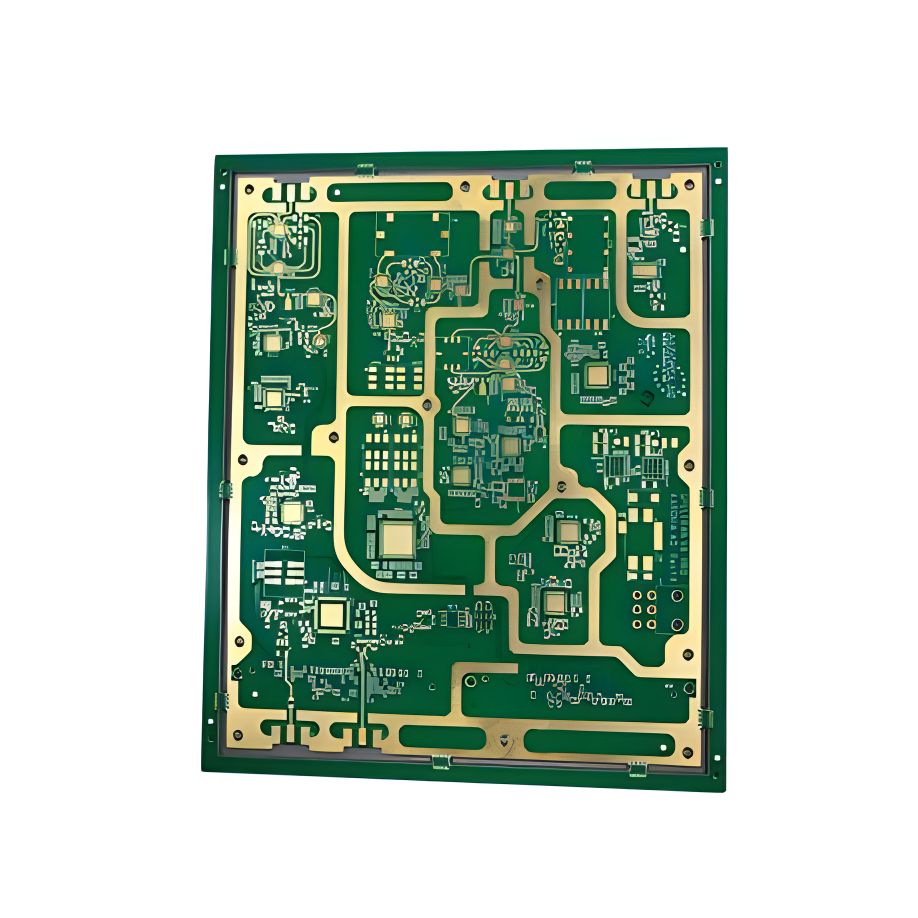 Rogers High-Frequency Board
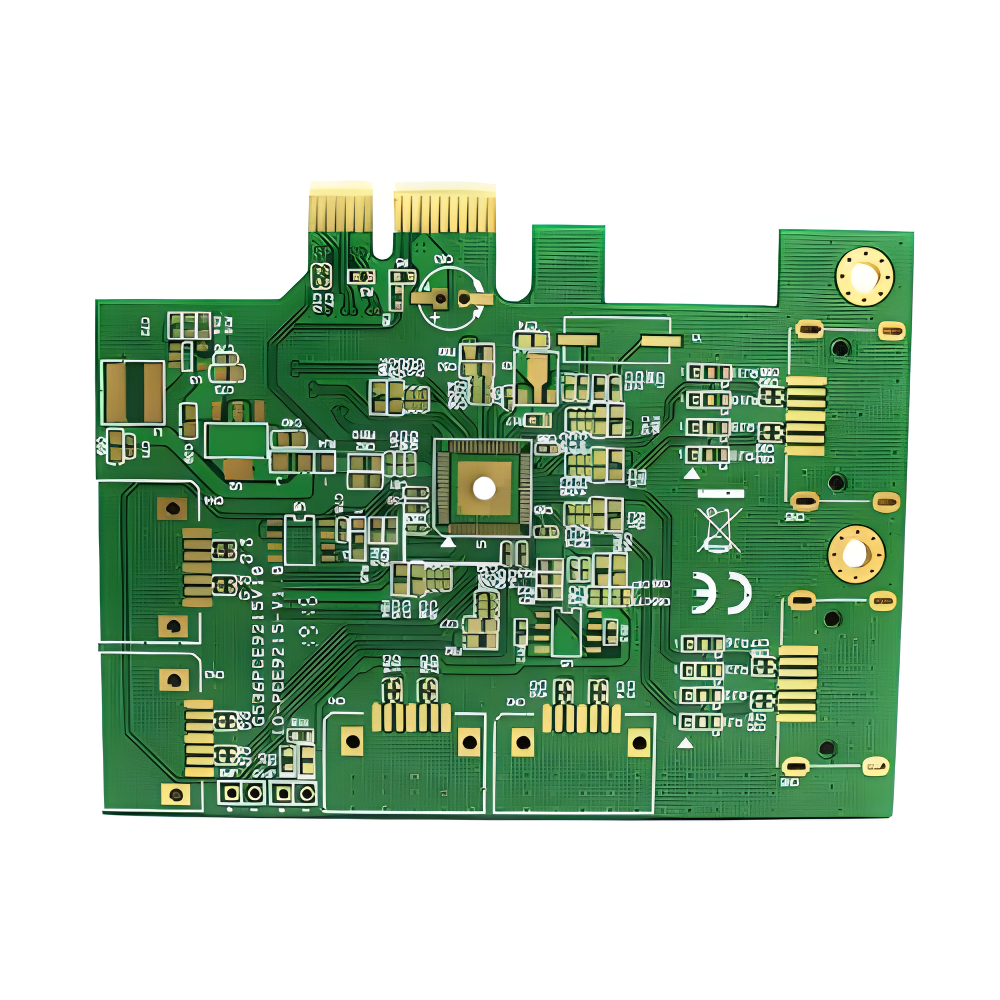 PTFE Teflon High-Frequency Board
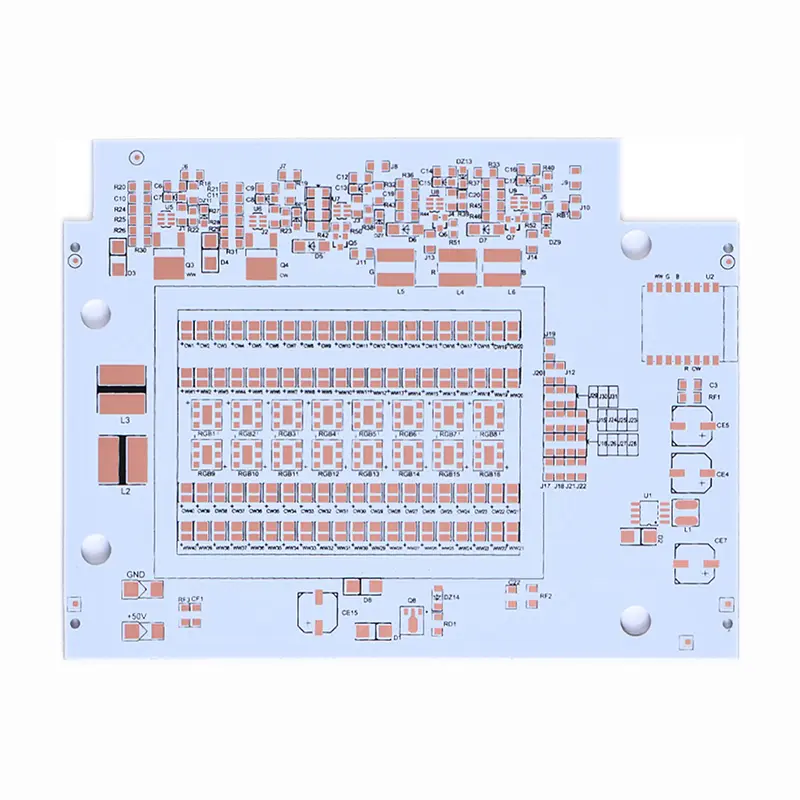 Aluminum
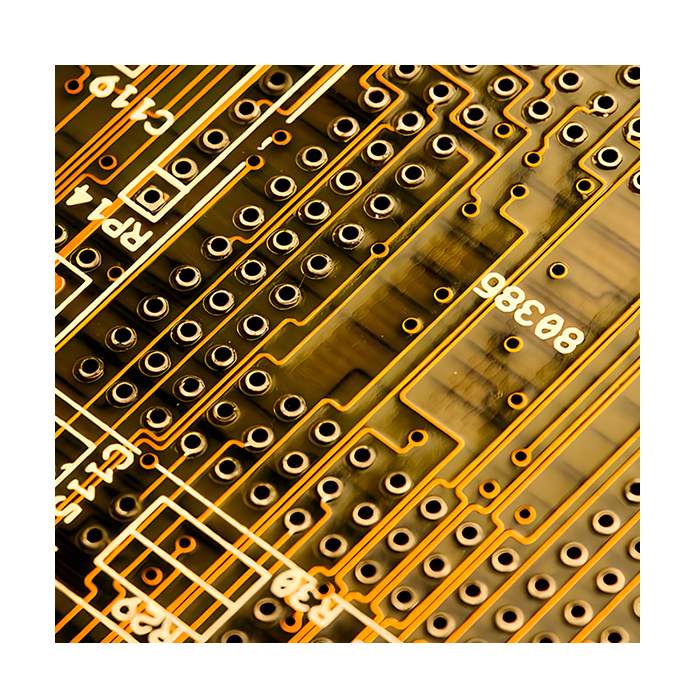 Copper Core
 PCB Assembly
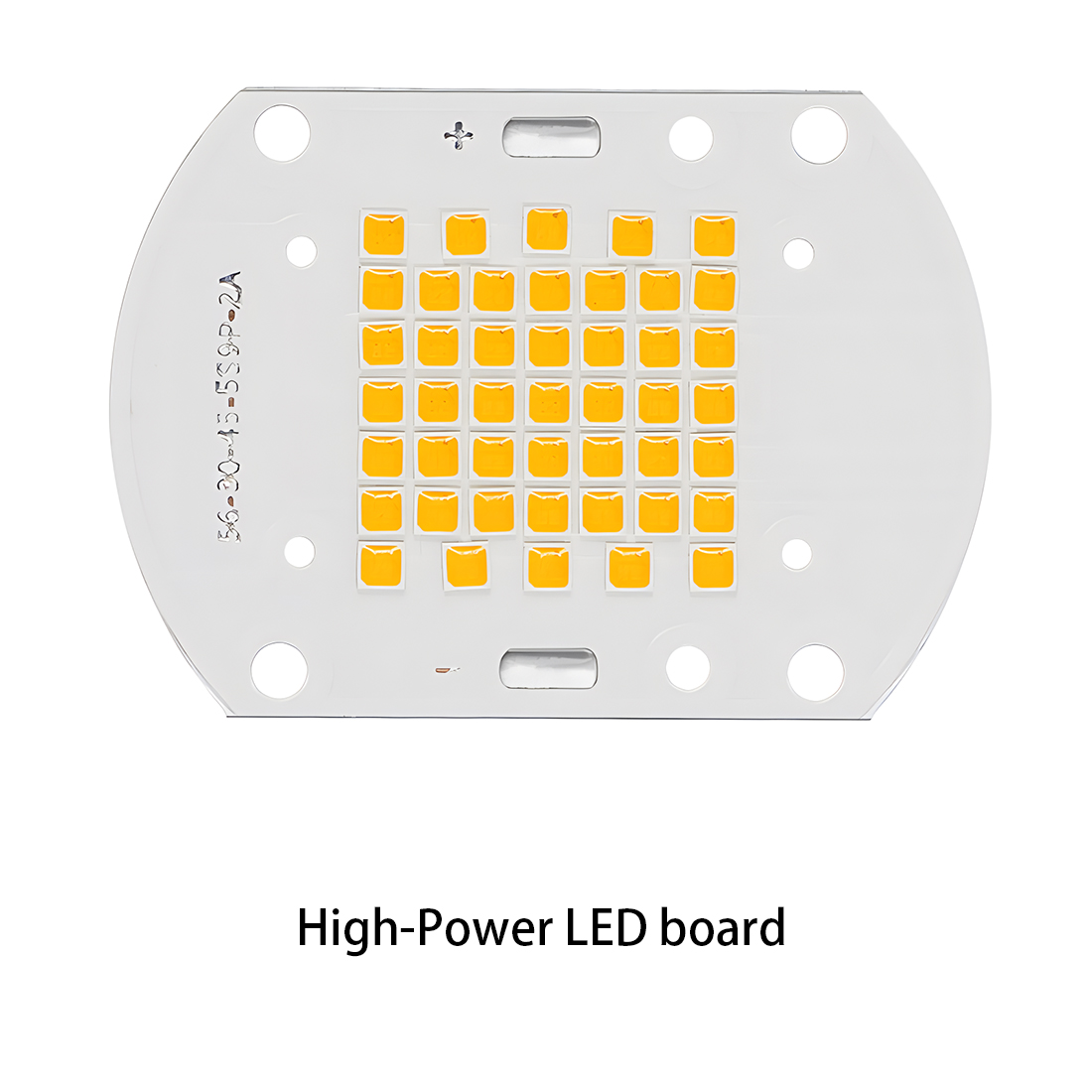 LED light PCBA
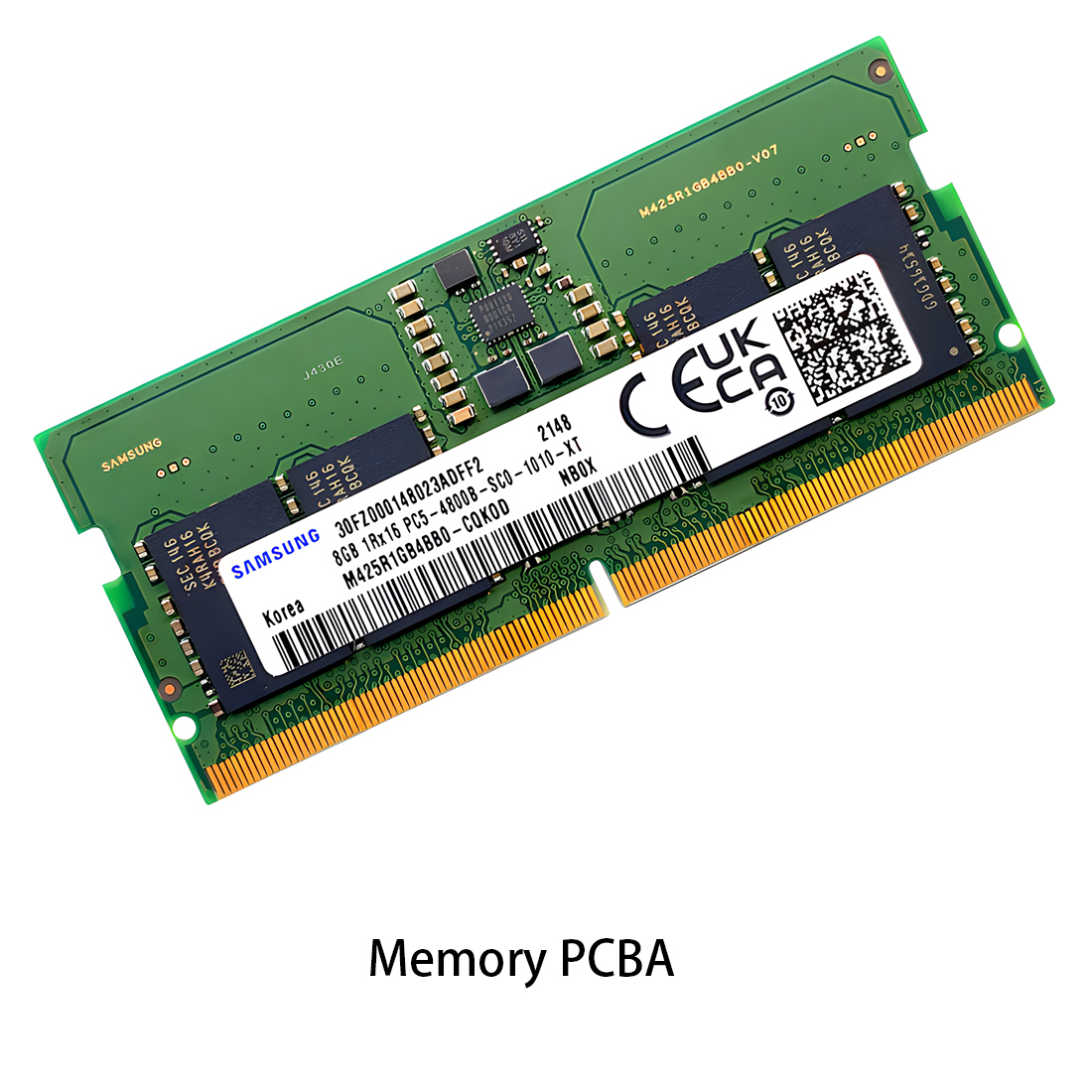 Memory PCBA
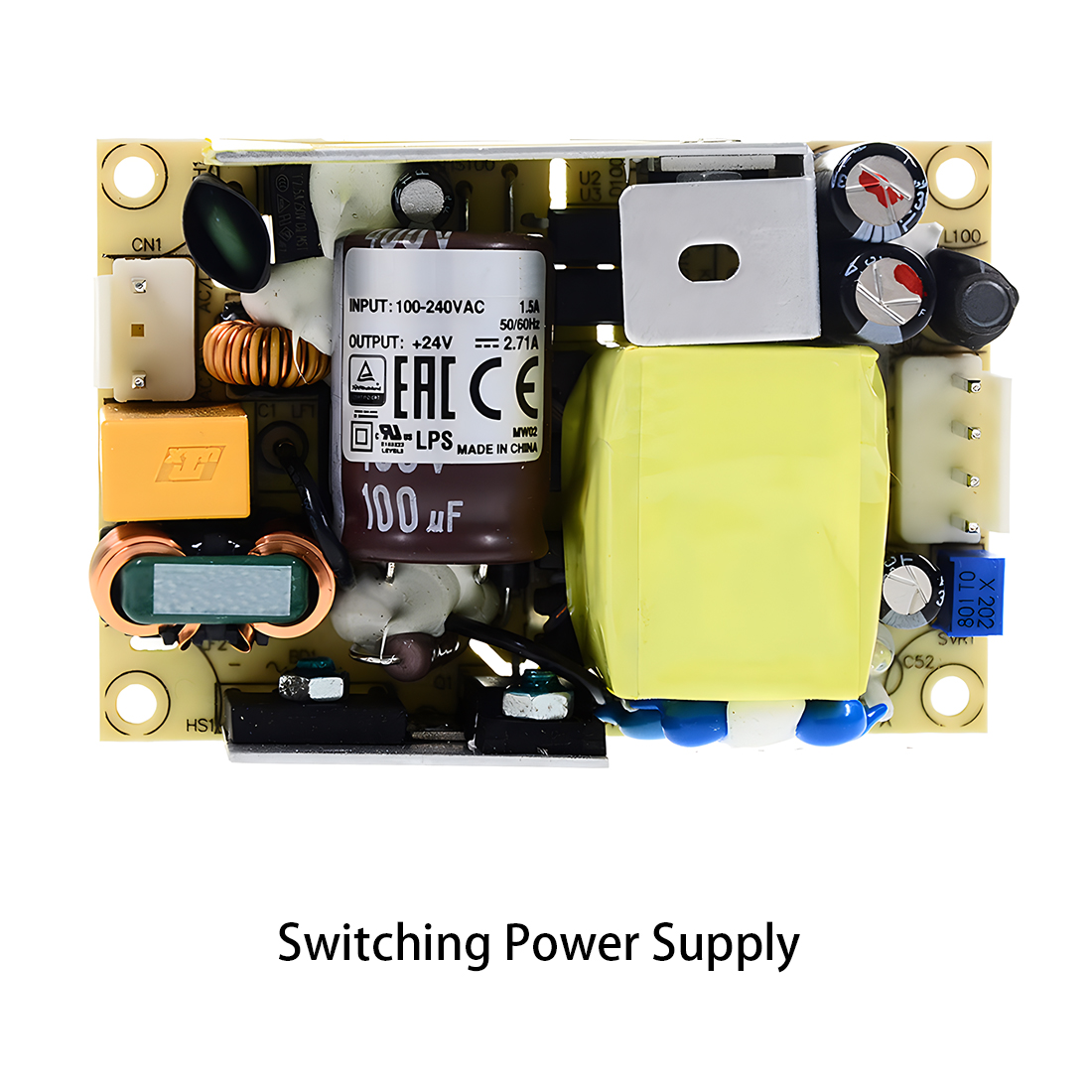 Power Supply PCBA
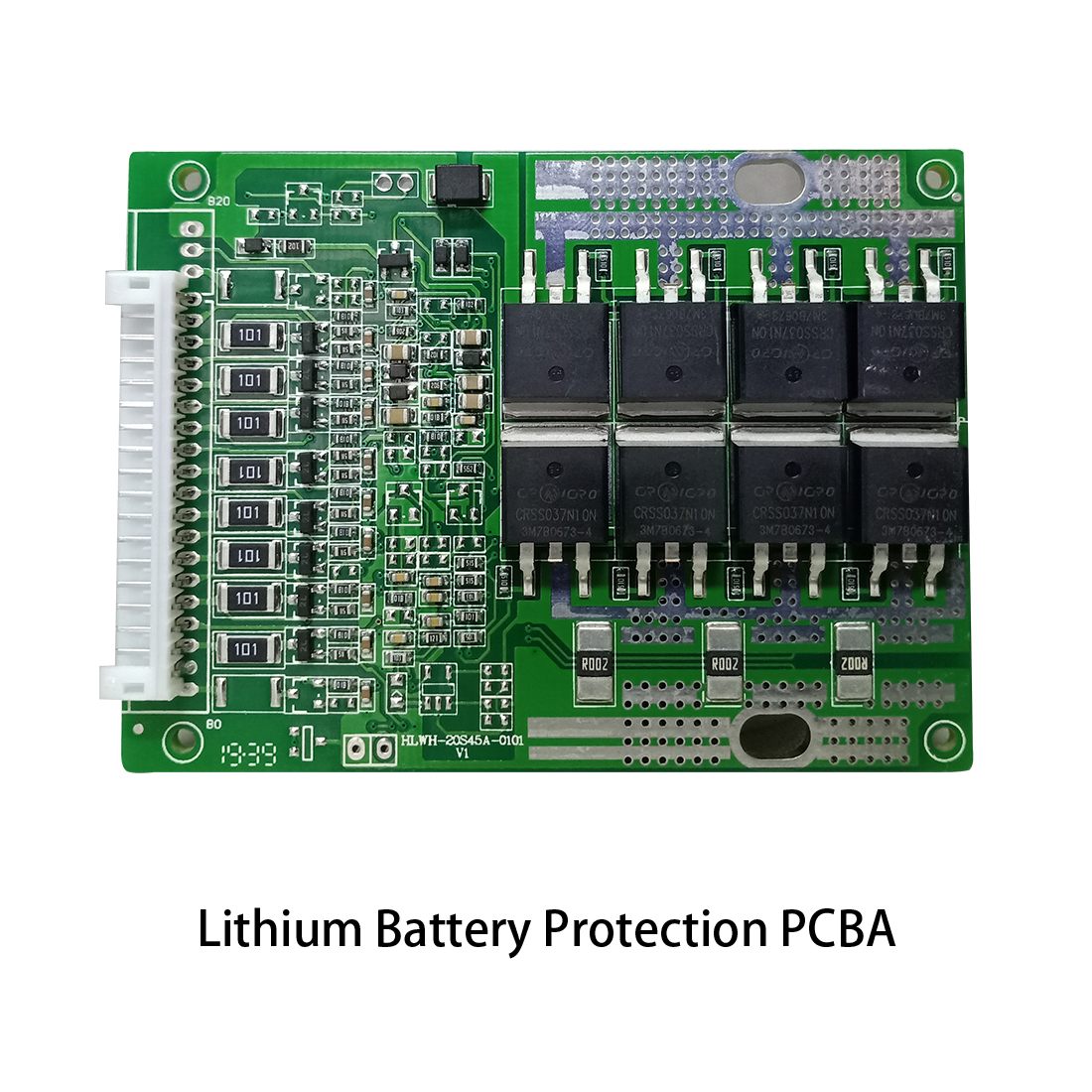 New Energey PCBA
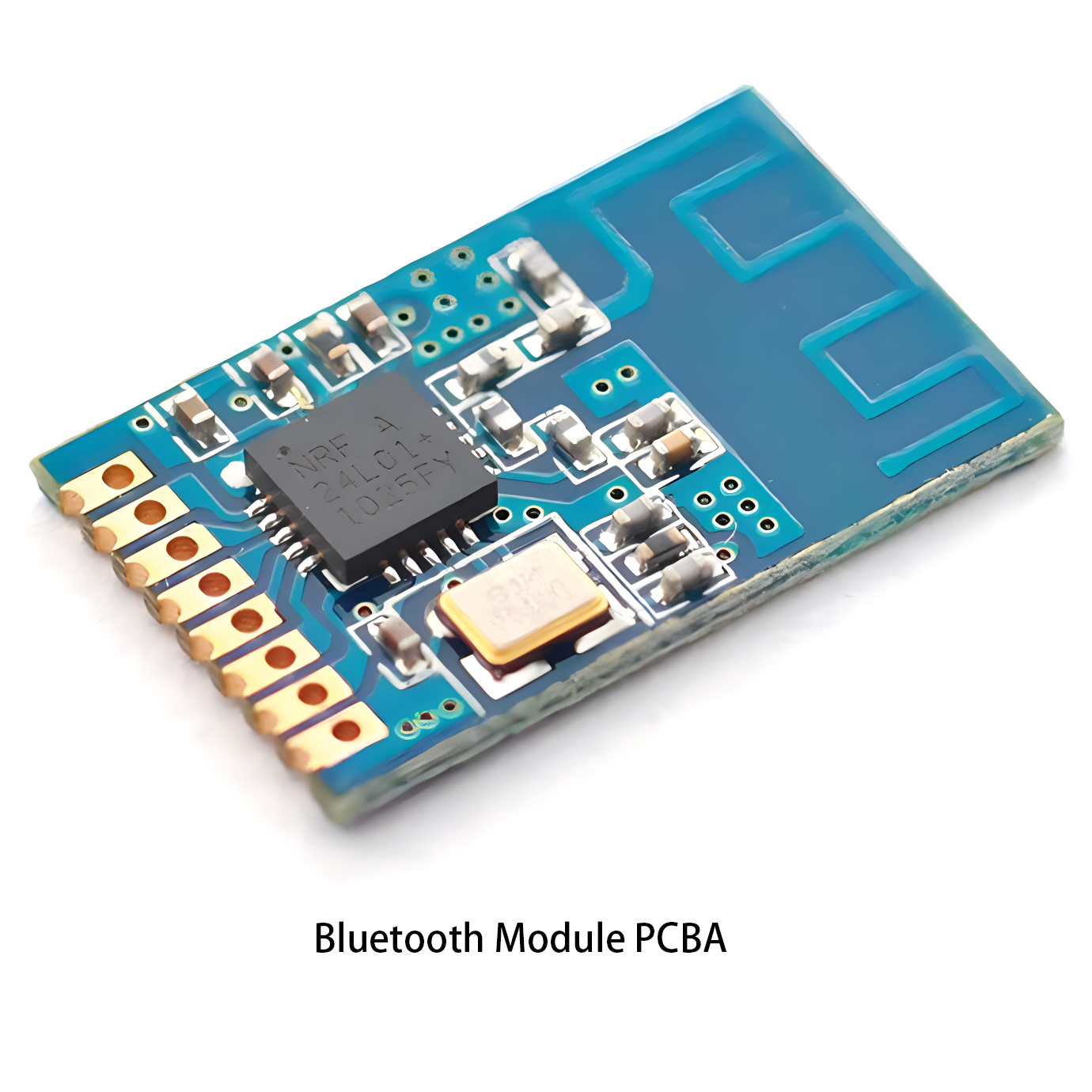 Communication PCBA
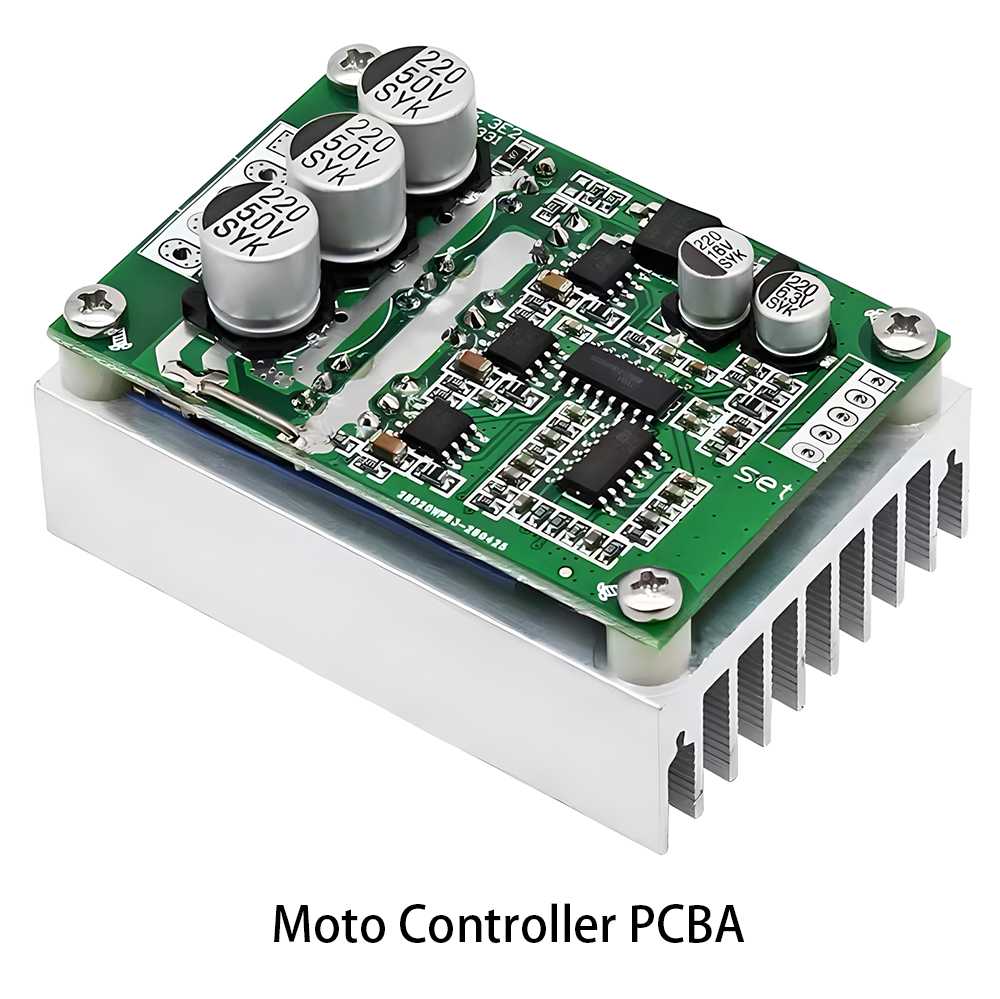 Industrial Control PCBA
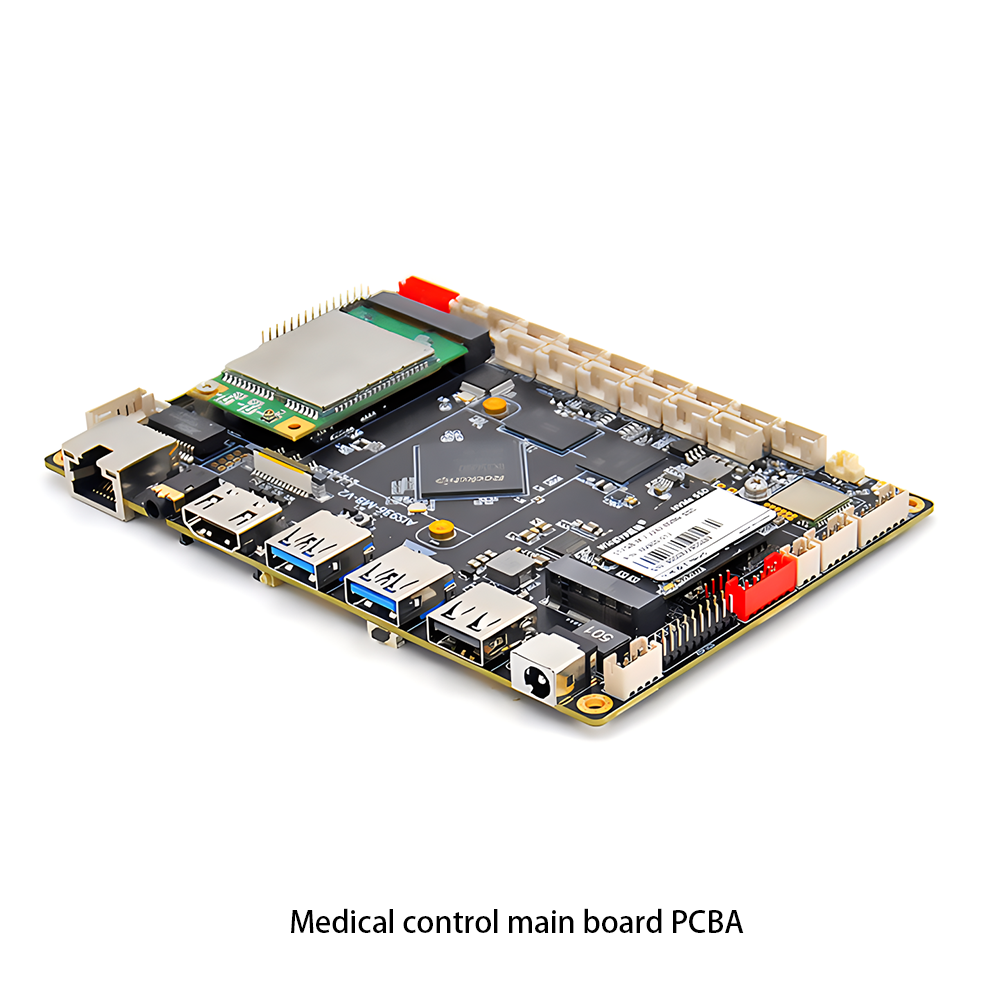 Medical Equipment PCBA
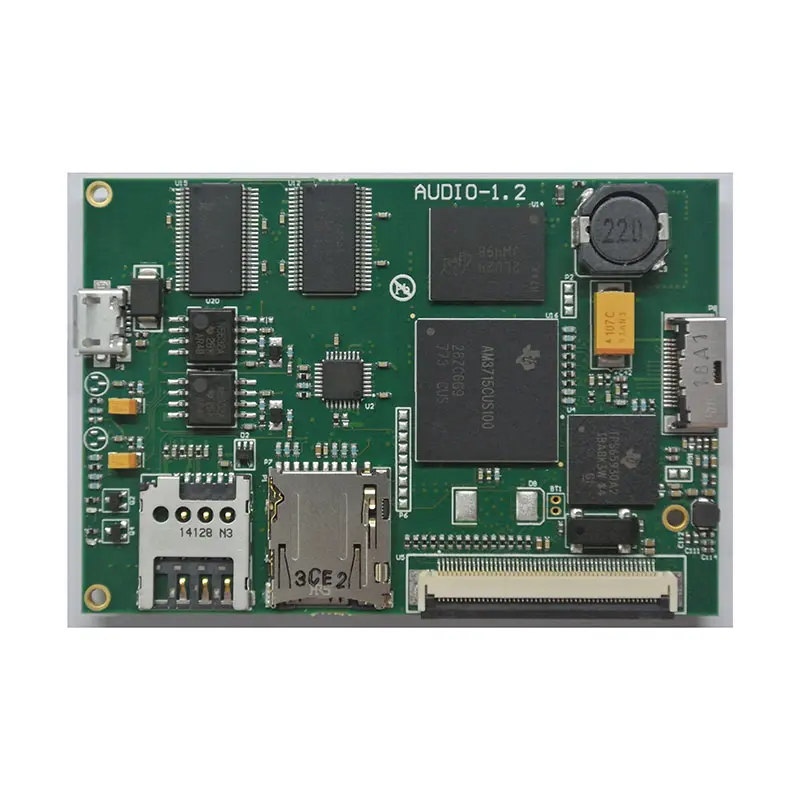 Testing Service
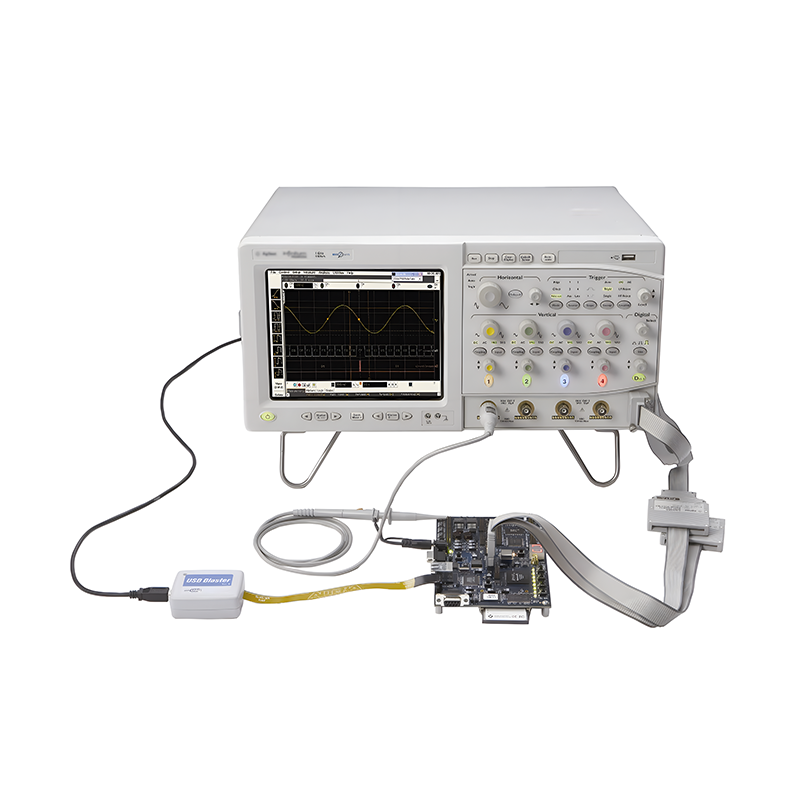 PCBA Testing Service
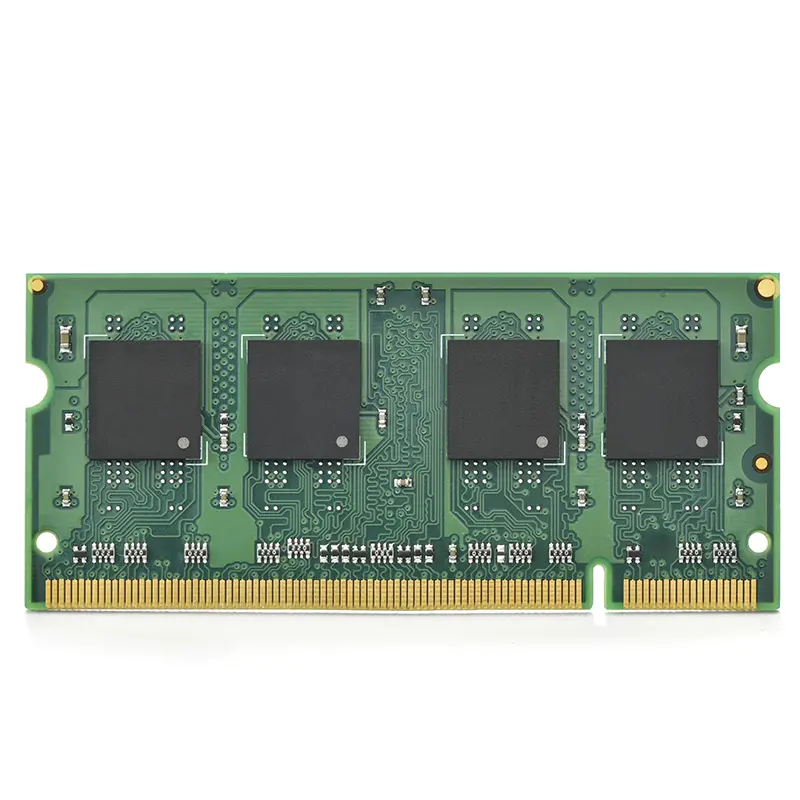 Certification Application
 RoHS Certification Application
 REACH Certification Application
 CE Certification Application
 FCC Certification Application
 CQC Certification Application
 UL Certification Application
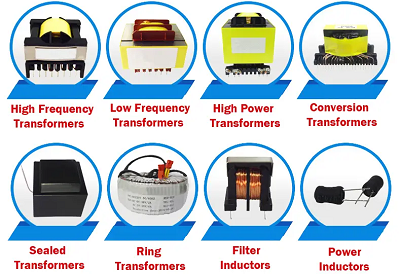 Transformers, Inductors
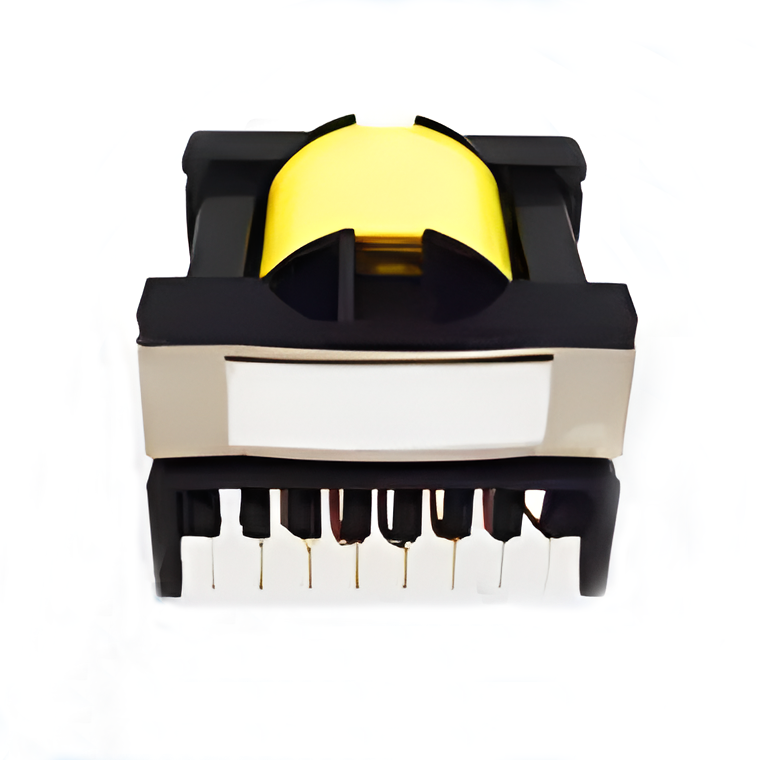 High Frequency Transformers
 Low Frequency Transformers
 High Power Transformers
 Conversion Transformers
 Sealed Transformers
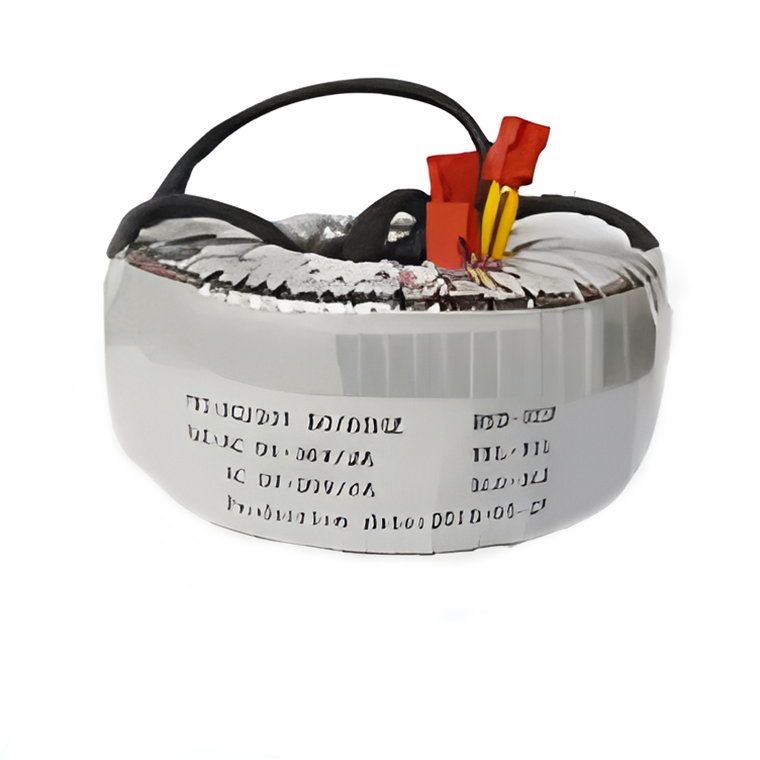 Ring Transformers
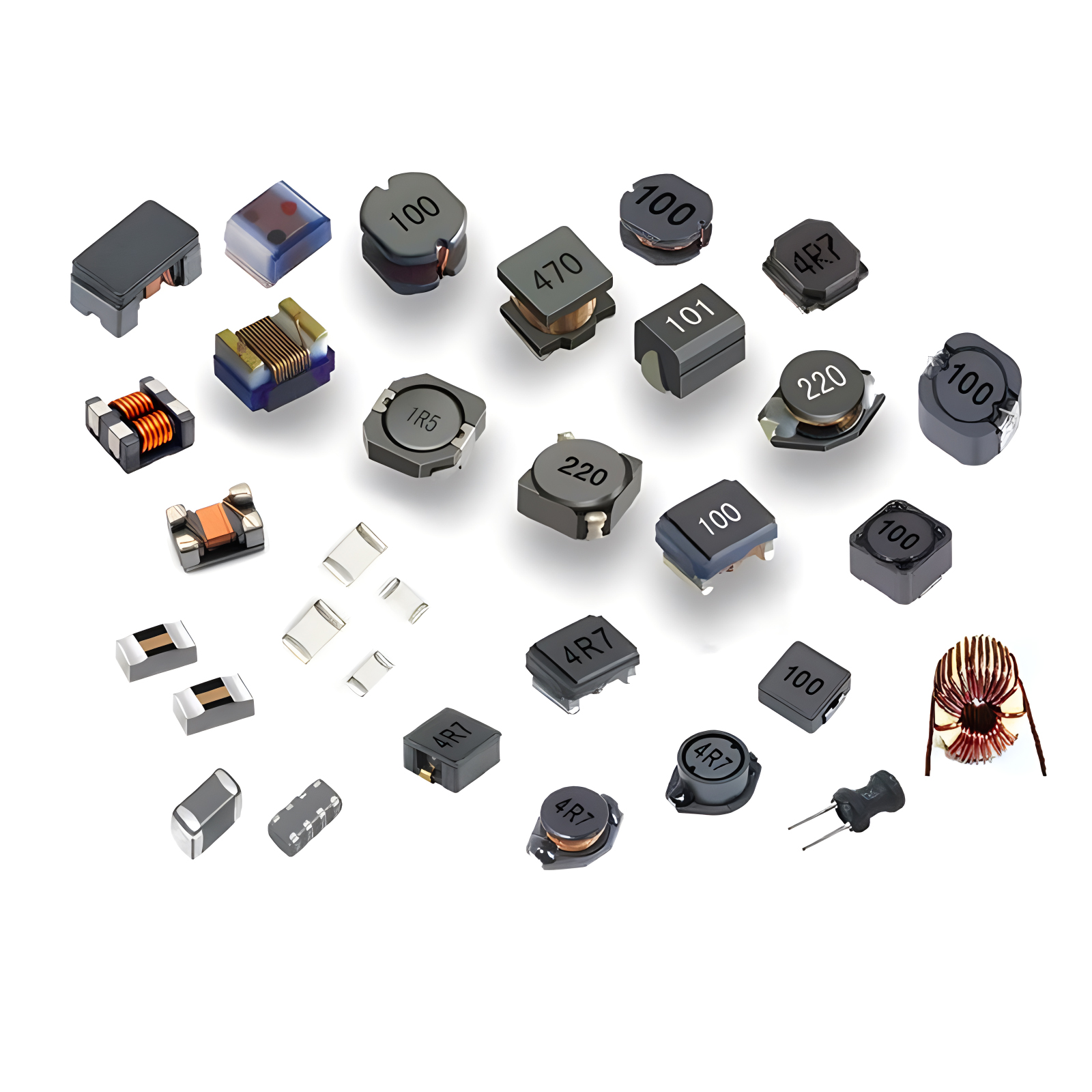 Inductors
 Wires,Cables Customized
 Network Cables
 Power Cords
 Antenna Cables
 Coaxial Cables
 Net Position Indicator
 Solar AIS net position indicator
 Digital Signal Processors (DSP/DSC)
 Microcontrollers (MCU/MPU/SOC)
 Programmable Logic Device(CPLD/FPGA)
 Through Hole Resistors
 Resistor Networks, Arrays
 Potentiometers,Variable Resistors
 Aluminum Case,Porcelain Tube Resistance
 Current Sense Resistors,Shunt Resistors
 Isolated Power Modules
 AC-DC Power Modules
 DC-AC Module(Inverter)


