contact us
Leave Your Message
0%

PICking the rightPCB factoryisn’t just about making a purchase — it’s a serious production decision. You know, sometimes a board can look peRFect under those bright inspection lights, but then fail after going through thermal cycling, vibrations, or even after multiple assembly runs. According to Fortune Business Insights, the global PCB market was valued at around USD 81.74 billion in 2022, and they're estimating it’ll leap past USD 120 billion by 2030. With all this growth, there are more supplier options out there, but it also becomes trickier to spot real quality differences. Just because there are more factories doesn’t necessarily mean they’re all better, right?

The trick is to start with solid evidence. Make sure the manufacturer follows standards like IPC-6012 and IPC-A-600 for rigid printed boards. Check if they’re ISO 9001 certified, and ask about their traceability procedures, how they store materials, and what their process is for fixing issues. For automotive stuff, IATF 16949 could be a must-have. And depending on what you’re making, UL recognition and RoHS compliance might be essential to get your product on the market. Industry reports from IPC consistently point out that things like supply chain resilience, skilled labor, and advanced inspection capabilities are major concerns. Keep these in mind when you’re preparing your questions for an audit.

It’s also a good idea to review sample inspection records. Take a close look at copper thickness, hole wall quality, solder mask alignment, and electrical testing coverage. And don’t forget to ask for a small pilot run before jumping into large volumes—that way, you can really see how the process works in real life. Sometimes the cheapest quote might hide poor process controls, slow communication, or unstable yields. And even a more premium supplier can fall short sometimes. Honestly, no factory is perfect.

Finally, consider how well they communicate, what kind of engineering support they provide, their capacity and turnaround times, and how serious they are about data security. Don't just go on glossy presentations or sales pitches—compare facts. A good partner should be transparent, clearly explain any limitations, and give you measurable, honest answers. Often, that's more valuable than any shiny sales promise, you know?

How to Choose the Right PCB Factory?

Define PCB Requirements: Layer Count, Materials, Tolerances, and IPC Class

How to Choose the Right PCB Factory?

Define PCB Requirements: Layer Count, Materials, Tolerances, and IPC Class

A reliable factory starts with a precise PCB definition. State the layer count, copper weight, finished thickness, and board size. Material choice matters too. FR-4 suits many digital designs, while high-frequency materials need controlled dielectric properties. According to IPC-2221, impedance depends on stack-up geometry, dielectric thickness, and copper width. A factory should calculate it, not guess.

Tolerances expose manufacturing experience. Specify finished-hole size, annular ring, registration, solder mask clearance, and impedance tolerance. IPC-6012D and IPC-A-600 provide acceptance criteria for rigid boards. IPC’s 2024 PCB industry data also shows uneven order and shipment patterns across regions. That makes capacity claims worth checking. Ask for recent capability data, not only a polished presentation. I have seen “standard” tolerances cause rework when the drawing stayed vague.

IPC Class 2 fits many commercial products. Class 3 demands stricter inspection and defect control for high-reliability applications. Do not select Class 3 automatically. It can increase cost without improving a relaxed consumer design. However, choosing Class 2 for safety-critical hardware is a serious mistake.

Tips: Send the factory a complete stack-up and fabrication drawing. Request a cross-section report from the first production lot. Confirm whether quoted tolerances apply after plating. Keep one detail flexible: overly tight requirements may reduce yield. Before approving samples, inspect microsections, impedance results, and drill accuracy. A low price is not proof of control.

Verify Factory Certifications: ISO 9001, IATF 16949, UL, and IPC Standards

Choosing the right Pcb Board Factory requires more than comparing prices or polished factory photos. Certification records reveal how consistently a supplier controls quality. The ISO Survey 2022 reported 1,265,216 ISO 9001 certificates worldwide, but a certificate alone does not guarantee reliable circuit boards. Ask for the certificate number, approved scope, expiration date, and issuing body. Then confirm whether PCB production is included.

Look closer. ISO 9001 should support documented procedures, corrective actions, and traceability. For automotive projects, IATF 16949 adds stronger controls for risk, supplier management, and process variation. Request recent audit findings, not only a framed certificate. UL recognition may confirm safety-related material and construction requirements. IPC standards help evaluate workmanship, inspection, acceptance criteria, and operator training.

Walk the factory floor if possible. Check labeled material racks, calibrated test equipment, and batch records beside production lines. Ask how defects are isolated. A capable supplier should explain the answer clearly. IPC industry reports continue to emphasize supply-chain resilience, workforce capability, and process consistency across electronics manufacturing. Still, certification evidence can be outdated. I have seen suppliers pass document checks yet struggle with engineering changes. Verify sample builds, first-article records, and corrective-action speed before approving mass production. The uncomfortable question is simple: can the factory prove control when the order becomes difficult?

How to Choose the Right PCB Factory?

Verify Factory Certifications: ISO 9001, IATF 16949, UL, and IPC Standards

How to read this chart: A value of 1 means the standard directly addresses that verification area; 0 means it is not the standard’s primary purpose. ISO 9001 focuses on quality management, IATF 16949 adds automotive-specific requirements, UL addresses product safety, and IPC provides technical workmanship and acceptance standards rather than a factory certification.

Assess Manufacturing Capability: HDI, Microvias, Impedance Control, and Line Width

How to Choose the Right PCB Factory?

A capable PCB factory must prove more than attractive sample boards. Ask for process data on HDI, laser microvias, impedance control, and minimum line width. IPC-2221C and IPC-6016D provide useful design and qualification guidance, but factory-specific results matter more. Request cross-sections, microvia reliability records, and recent test coupons.

For HDI boards, inspect laser-drilled microvia diameter, depth, stacking method, and copper fill quality. A 100-micrometre microvia is common in advanced designs, yet smaller features demand tighter process control. Check whether the factory measures impedance after lamination, not only during design review. Ask for TDR reports showing actual versus target values, such as 50 ohms within the agreed tolerance. Line widths near 3 mil require controlled imaging, etching, and compensation. IPC’s 2024 technology discussions continue to highlight fine-line registration and reliability as major production challenges. Some factories quote impressive limits but cannot sustain them across panels. That is a warning sign.

Tips: Send your stack-up, drill table, and impedance targets before requesting prices. Ask an ODM Coating Pcb Factory for capability samples from the same production line. Review at least three lots, not one perfect coupon. I would also question vague claims like “advanced HDI.” Define the layer count, microvia structure, copper thickness, and yield expectation. Small details expose real experience.

Compare Quality Metrics: DPMO, First-Pass Yield, AOI, and Electrical Testing

How to Choose the Right PCB Factory?

When evaluating a PCB factory, do not rely on price or polished sample boards. Review DPMO, or defects per million opportunities, across recent production lots. A low DPMO suggests process control, but the number needs context. Ask how defects are counted and whether rework is included. First-pass yield shows how many boards pass without repair. A strong FPY can reveal stable assembly, material handling, and operator training.

AOI inspection should detect solder bridges, missing parts, polarity errors, and poor alignment. Ask for sample inspection images and the factory’s response procedure. Electrical testing adds another layer. In-circuit testing can identify open connections and wrong values, while functional testing checks whether the finished board performs its intended task. These methods are not interchangeable. A board may pass AOI but fail electrical testing. That gap deserves attention.

Tips: Request three months of metric data. Compare similar board types. Check whether results cover pilot and mass production. Ask to see corrective-action records, not just percentages. No metric is perfect. I once treated a high FPY as proof of quality, but later noticed that repaired boards were counted as successful. That was a useful mistake. Also inspect test coverage, calibration dates, and traceability records. A reliable factory explains weak results clearly and shows how it prevents repeat failures.

Evaluate Capacity and Delivery: Monthly Output, Lead Times, and On-Time Rate

Choosing the right PCB factory starts with measurable capacity, not attractive photos or a fast quotation. Ask for monthly output by board type, layer count, surface finish, and technology. A factory producing 500,000 simple boards may struggle with 20,000 high-layer prototypes. IPC’s 2023 North American PCB Statistical Program reported annual sales falling 15.5%, showing why capacity promises should be checked against recent demand conditions. Request the last twelve months of utilization, equipment downtime, and peak-month output. Numbers reveal more than confidence.

Lead time needs a clear definition. Does it begin after payment, engineering approval, or material arrival? Ask for separate figures for prototype, small batch, and mass production. Also request the on-time delivery rate, calculated against the confirmed ship date. A 96% rate sounds strong, but ask how many orders were included and whether partial shipments counted. A delivery dashboard should show planned date, actual date, delay reason, and corrective action. I have seen “on time” hide a two-day shortage.

Tips: Audit one recent order from purchase order to shipment. Check material certificates, inspection records, and packing photos. For an OEM Coating Pcb Factory, confirm coating capacity, curing time, and rework limits. Do not rely on one impressive month. Seasonal pressure matters. IPC’s market reporting also shows how quickly PCB demand can change, so a factory should explain its backup capacity, supplier coverage, and realistic escalation process. Some answers may be imperfect. That is useful. Hesitation can reveal operational risk earlier than a missed delivery.

Audit Costs and Risk Controls: Total Cost, Traceability, RoHS, and REACH Compliance

How to Choose the Right PCB Factory?

Choosing the Best Pcb Making Factory requires more than comparing a quoted board price. A practical audit starts with total cost: tooling, testing, freight, rework, and delayed production. Ask for a cost breakdown tied to your real specifications. A low unit price can hide expensive engineering changes. Paperwork is not proof. Review calibration records, process controls, and recent corrective-action reports. During a site visit, inspect storage labels, moisture controls, and how rejected panels are separated.

Traceability should follow each lot from incoming laminate to final shipment. Request lot codes, inspection results, operator records, and shipment links. Test the system with one sample serial number. Can staff locate its material history within minutes? That gap matters. RoHS and REACH controls need documented material declarations, supplier evaluations, and change notifications. Do not accept a generic compliance statement without scope, date, and supporting evidence. Requirements can change, and old files may no longer protect your project.

Audit cost itself should be treated as risk control, not administrative waste. A focused remote review may reduce travel costs, but high-risk products deserve an on-site check. Define acceptance limits before production, including copper thickness, solderability, cleanliness, and defect handling. Keep a written escalation path for deviations. No factory is perfect. The useful question is whether it detects weakness early, reports it honestly, and improves after failure. Re-audit critical suppliers when materials, processes, or regulations change.

How to Choose the Right PCB Factory? - Audit Costs and Risk Controls: Total Cost, Traceability, RoHS, and REACH Compliance

Evaluation Dimension Recommended Verification Items Minimum Evidence to Request Typical Planning Cost or Requirement Risk Level Recommended Risk Control
Pre-qualification audit Review production capacity, process capability, quality system, equipment maintenance, personnel competency, and subcontractor controls. Completed audit checklist, corrective-action plan, process flow, organization chart, equipment list, and recent internal-audit records. Remote assessment: approximately USD 300–1,500. On-site independent audit: approximately USD 1,500–5,000, excluding travel. Medium Use a risk-based audit score, require closure of major findings before approval, and repeat the audit at least annually for critical suppliers.
Supplier audit cost and frequency Compare audit expense with potential costs from escapes, recalls, production interruption, expedited freight, and customer penalties. Annual audit plan, supplier risk classification, prior nonconformity trend, and documented management review. Typical frequency: annual for high-risk suppliers; every 18–24 months for stable, lower-risk suppliers, with event-driven audits after major changes. Medium Set audit triggers for ownership changes, site transfers, repeated defects, major process changes, or unexplained delivery deterioration.
Total cost of ownership Evaluate quoted piece price together with tooling, setup, engineering changes, testing, packaging, freight, inventory, defects, and warranty exposure. Itemized quotation, tooling ownership terms, change-order fees, yield assumptions, payment terms, logistics charges, and warranty policy. A practical comparison should include material, conversion, inspection, logistics, quality failure, and inventory costs rather than unit price alone. High Use a landed-cost model and apply a quality-risk allowance based on historical defect rates and the cost of a line stoppage.
Traceability Confirm traceability from incoming laminate and components through drilling, imaging, plating, solder mask, electrical testing, final inspection, and shipment. Lot or batch records, date codes, operator and machine identification, inspection results, test data, rework history, and shipment linkage. For regulated products, retain technical and production records for the applicable legal or customer-defined period; EU RoHS technical documentation is generally retained for 10 years after placement on the market. High Require unique lot identification, electronic record backup, controlled data access, and a documented mock recall or traceability test.
Incoming material control Check laminate, copper foil, solder mask, surface finish chemicals, components, and packaging against approved specifications. Certificates of analysis or conformity, supplier lot numbers, receiving inspection records, storage conditions, and material quarantine procedure. Testing cost varies by material and method; use sampling plans based on supplier risk and material criticality rather than testing every item by default. Medium Approve only controlled material sources, segregate nonconforming lots, and require written approval for substitutions.
RoHS compliance Verify restrictions on lead, mercury, cadmium, hexavalent chromium, PBB, PBDE, and specified phthalates in applicable electrical and electronic products. Material declarations, supplier compliance statements, homogeneous-material records, controlled bill of materials, and risk-based laboratory test reports. Screening by XRF may cost approximately USD 50–200 per sample; laboratory chemical analysis commonly costs approximately USD 150–600 per sample, depending on scope. High Define restricted-substance limits in purchasing specifications, test high-risk materials, control supplier changes, and maintain the EU Declaration of Conformity where applicable.
REACH compliance Determine whether supplied articles or materials contain substances of very high concern above the applicable 0.1% weight-by-weight threshold. Current SVHC declaration, material composition information, supplier communication procedure, and evidence of applicable SCIP or notification assessment. Supplier declaration: normally no laboratory fee. Targeted analytical testing may cost approximately USD 200–1,000 per sample, depending on substance and method. High Review the SVHC Candidate List at least every six months, obtain updated declarations after list changes, and establish a documented customer communication process.
Change control Assess changes to materials, suppliers, equipment, process parameters, software, production location, and test methods. Formal engineering-change notice, impact assessment, customer approval record, first-article results, and revised compliance documentation. Cost depends on validation scope; budget for sample builds, reliability testing, regulatory review, and possible tooling or documentation updates. High Prohibit unapproved substitutions and require advance written notification for changes that may affect fit, function, reliability, safety, or compliance.
Process capability and yield Review capability for critical dimensions, hole quality, plating thickness, solderability, impedance, surface finish, and electrical performance. Process capability studies, first-article inspection, statistical process-control charts, yield data, defect Pareto analysis, and corrective-action records. Request at least three to six months of relevant yield and defect data when available; do not rely solely on a quoted nominal capability. Medium Set measurable acceptance criteria, monitor critical-to-quality characteristics, and require corrective action when trends approach specification limits.
Testing and final inspection Confirm the availability and calibration of automated optical inspection, electrical testing, dimensional inspection, solderability testing, and reliability testing as required. Inspection plan, test coverage, calibration certificates, golden samples, test-program revision control, and release authorization records. Testing fees vary by product complexity; include fixture cost, programming, sample preparation, destructive testing, and periodic requalification. Medium Define test coverage in the purchase specification and require retention of raw test results linked to production lots.
Business continuity and capacity Evaluate single-point dependencies, utility resilience, backup equipment, critical-material availability, disaster recovery, and surge capacity. Business-continuity plan, recovery-time targets, capacity loading, alternate-process assessment, and evidence of periodic drills or reviews. Maintain a qualified secondary source or approved contingency route when supply interruption would cause material business impact. High Use dual sourcing for critical parts, define minimum safety stock, and conduct periodic capacity and recovery reviews.
Commercial and contractual controls Align quality requirements, compliance obligations, confidentiality, intellectual-property protection, delivery performance, and liability terms. Signed quality agreement, approved specifications, service-level requirements, escalation contacts, nonconformance process, and audit rights. Contract review cost is generally lower than the cost of unresolved responsibility for nonconforming, late, or noncompliant product. Medium Make compliance evidence, traceability, change notification, record access, and corrective-action response contractual requirements.

Cost figures are general planning ranges in USD and vary by location, sample quantity, test method, product complexity, and audit scope. Regulatory applicability should be confirmed for the specific product, market, and supply chain.

Copper Core PCB: Design Benefits, Applications, and Selection Guide

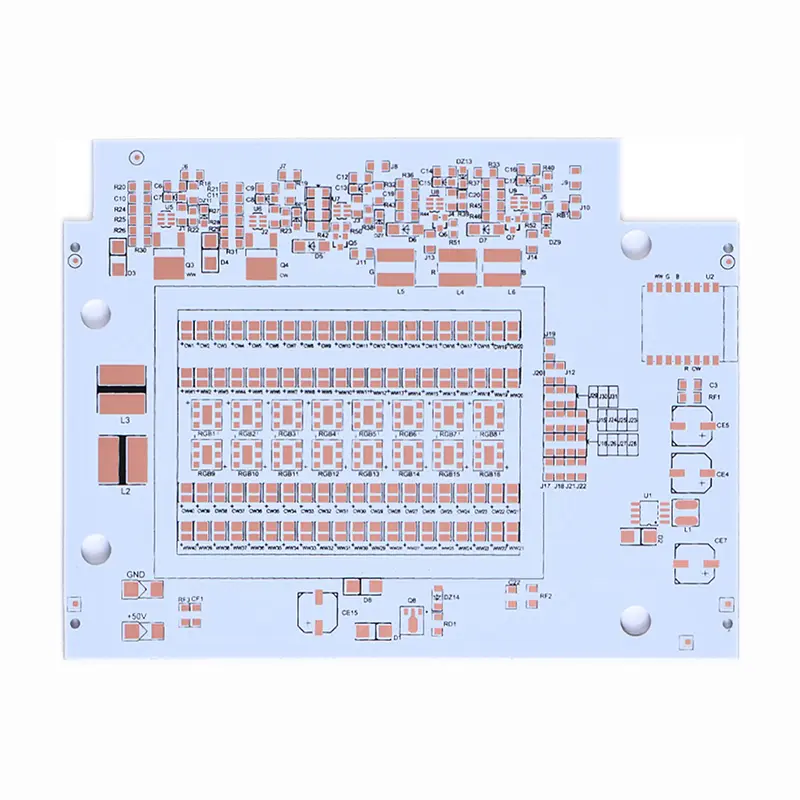
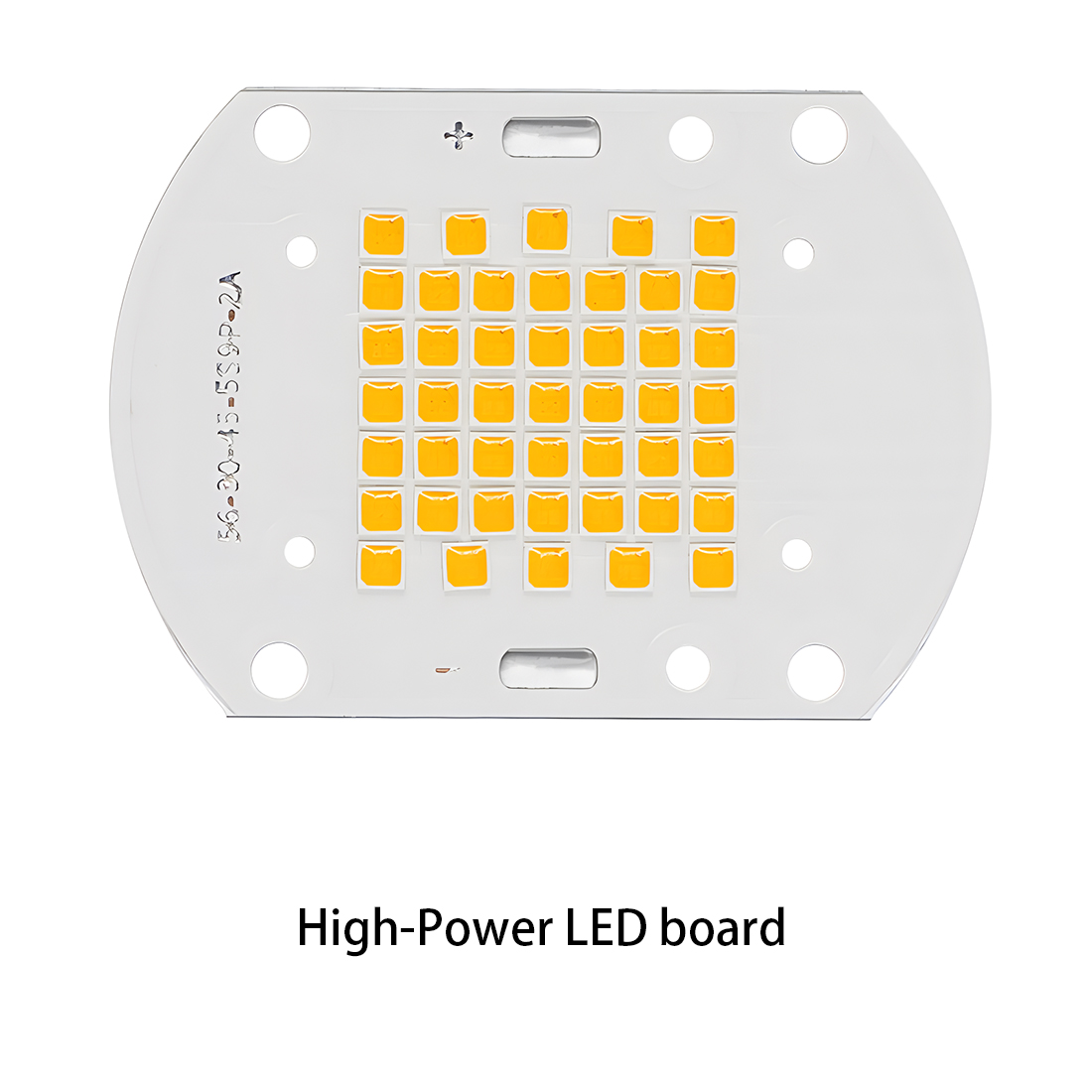
Copper Core PCBs are engineered for applications where heat dissipation, electrical stability, and compact design are critical. With copper’s thermal conductivity reaching approximately 380 W/m·K, heat can move directly from power-generating components to an external heatsink, reducing thermal resistance and improving operating reliability. This makes copper core boards well suited to LED lighting, power supply modules, communication equipment, solar energy systems, automotive electronics, and other high-power devices. The U.S. Department of Energy has reported that LED technology can reduce lighting energy consumption by at least 75% compared with incandescent lighting, increasing the importance of effective thermal management in modern lighting designs.

When selecting a copper core PCB, designers should evaluate thermal conductivity, board thickness, dimensions, copper structure, and surface finish together. This solution supports 1.0–2.0 mm thickness, a minimum drill size of 1.0 mm, minimum dimensions of 5 × 5 mm, and maximum dimensions of 480 × 286 mm. Minimum line width and spacing can reach 0.1 mm/0.1 mm, while OSP, HASL, lead-free HASL, and ENIG finishes support different assembly and reliability requirements. Direct heatsink construction is particularly valuable for high-current or high-temperature circuits that require rapid heat transfer.

Our copper core PCB manufacturing service supports sampling, small-batch, and large-batch production. Sample delivery can be completed in as little as 12 hours, with consistent quality control and flexible capacity for customers in China and overseas markets.

FAQS

: Why should certification records be checked before selecting a circuit board factory?

: Certificates show documented quality controls, but they do not guarantee reliable boards. Ask for the certificate number, approved scope, expiry date, and issuing body. Confirm that circuit board production is included. A framed certificate proves little alone.

What evidence should support ISO 9001 certification?

Look for documented procedures, corrective actions, and material traceability. Request recent audit findings, not only certificate copies. Check whether staff can explain defect handling clearly. The paperwork may be current, but factory habits can still vary.

When is IATF 16949 especially useful?

It is valuable for automotive projects requiring stronger risk and process controls. Ask about supplier management, process variation, and engineering-change procedures. Review recent first-article records and corrective-action response times. Difficult orders reveal more.

How can a factory prove advanced HDI capability?

Request cross-sections, test coupons, and microvia reliability records. Check microvia diameter, depth, stacking method, and copper-fill quality. Review at least three production lots. One perfect coupon is not enough.

How should impedance control be verified?

Send the stack-up, drill table, and target impedance before requesting prices. Ask for TDR reports showing measured and target values. For example, a 50-ohm trace needs an agreed tolerance. Measurement should happen after lamination, not only during design review.

What details reveal genuine fine-line manufacturing ability?

Ask for process data supporting the minimum line width. Widths near 3 mil require controlled imaging, etching, and compensation. Review registration results across complete panels. A quoted limit may not be a sustainable production limit.

What costs should be included beyond the board price?

Consider tooling, testing, freight, rework, and delayed production. Request a breakdown based on your actual specifications. A low unit price can hide expensive engineering changes. Cheap today, costly later.

How can traceability and compliance controls be audited?

Test one sample serial number through the tracking system. Staff should locate material history within minutes. Review lot codes, inspection results, operator records, and shipment links. Check material declarations, supplier evaluations, and change notifications. Old files may no longer protect the project.

What should be inspected during a factory visit?

Look for labeled material racks, calibrated equipment, moisture controls, and separated rejected panels. Check batch records beside production lines. Ask how defects are isolated and escalated. No factory is perfect. Honest improvement matters more than polished photos.

Conclusion

Choosing the right Pcb Factory requires a structured evaluation of technical, quality, and business factors. Begin by defining your PCB requirements, including layer count, base materials, dimensional tolerances, and applicable IPC class. Then verify certifications such as ISO 9001, IATF 16949, UL, and relevant IPC standards to confirm the factory’s quality management and industry compliance. Its manufacturing capabilities should also match your design needs, including HDI production, microvias, controlled impedance, and fine line width processing.

Quality performance can be assessed through DPMO, first-pass yield, AOI coverage, and electrical testing procedures. In addition, review monthly capacity, standard lead times, and on-time delivery rates to ensure dependable supply. Finally, compare total costs rather than unit prices alone, while checking traceability systems, material controls, RoHS and REACH compliance, and risk-management practices. A suitable factory should offer consistent quality, transparent communication, scalable production, and reliable delivery.

Aiden

Aiden

Aiden is a dedicated marketing professional at Xinying Technology Co., Ltd. in Shenzhen, where he leverages his extensive expertise to drive the company’s growth and visibility in the competitive tech landscape. With a deep understanding of the industry and a passion for innovative solutions, Aiden......
Previous Top Tips for Choosing the Best PCB Prototype Service?