China’s PCB industry has really become a key player in the global electronICs scene. According to Fortune Business Insights, the worldwide PCB market was valued at about USD 81.74 billion in 2023. And, honestly, it’s expected to keep growing through 2032, fueled by things like electric vehicles, telecom, data centers, and all sorts of consumer gadgets. China still holds a major spot as a manufacturing hub, thanks to its dense network of suppliers and cutting-edge production capacity.
When you're choosing a Pcb Board manufacturer, it’s not just about looking at who appears at the top of some rankings online. Industry reports from IPC point out that there’s still lots of pressure for high quality, reliable delivery, traceability, and skilled workers. A trustworthy supplier should have current ISO 9001 certification, and ideally meet standards like IATF 16949 or ISO 13485, and should be able to show documented process controls. You really want to see the factory’s evidence — so take a close look at solder-mask uniformity, drill precision, copper thickness, and whether they run automated optical inspection records. Don’t just settle for shiny brochures; ask for recent audit results!
In this guide, I’ll walk you through ten top manufacturers based in China — including Shenzhen Kinwong Electronic, Victory Giant Technology, WUS Printed Circuit, and Shenzhen Suntak Circuit Technology. Each has its own strengths, whether it’s rigid boards, HDI, flexible circuits, or high-frequency materials. And market reports from Prismark highlight how quickly the demand for advanced PCBs is ramping up in automotive and coMPUting sectors.
That said, keep in mind that any list of the top ten isn’t perfect. Sometimes rankings are more about who’s most visible rather than who’s actually dependable. That’s kind of uncomfortable, right? Just because a factory produces tons of boards doesn’t mean they’ve got awesome engineering support, ethical sourcing, or smooth communication. When you’re shopping around, it’s smart to compare the quality of samples, how quickly they respond to engineering questions, what certifications they hold, minimum order sizes, and the total landed cost of your product. A lower quote might hide redesign costs, delays in inspections, or even expensive field failures down the line. So, honestly, the best manufacturer is usually the one that keeps proving its capabilities over time — not just the biggest or loudest one out there.

China’s PCB Industry Exceeds 50% of Global Production: Market Context
China’s PCB industry accounts for more than 50% of global production, according to widely cited market estimates. This scale reflects strong supply chains, dense manufacturing clusters, and experienced engineering teams. It also creates many choices when comparing China’s top 10 PCB manufacturers. However, production volume alone does not prove quality. Figures can vary by source, product category, and reporting year.
In practical sourcing, evaluate a manufacturer’s process control, inspection records, and technical communication. Ask for clear details about layer count, material grades, impedance control, and testing methods. A reliable supplier should explain tolerances without hiding behind general claims. Factory audits can reveal useful details, such as storage conditions, calibration labels, and solder-mask consistency. Small gaps matter. I have seen promising samples fail when production controls were not equally strong.
Tips: Compare at least three suppliers with the same technical brief. Request recent samples resembling your design, not only attractive showcase boards. Check trace width, hole quality, surface finish, and packaging protection. Confirm capacity for prototypes and repeat orders separately. Review certificates, but verify their scope and validity. Keep communication records. One overlooked revision can create expensive rework. Also assess lead-time promises realistically, because urgent schedules may reduce inspection depth. A lower quotation is not automatically efficient.
Classify the Top 10 PCB Manufacturers by Product Type and Capability
China Top 10 PCB Board Manufacturers How to Choose?
Classifying the top 10 PCB manufacturers by capability is more useful than ranking them by size. A Fr4 Pcb Board Manufacturer may specialize in affordable, stable multilayer boards for industrial controls. Other suppliers focus on rigid-flex circuits, high-frequency materials, metal-core boards, or dense HDI designs. Product type matters because each requires different laminates, drilling methods, tolerances, and inspection tools.
Check the factory’s actual process range. Ask whether it controls impedance, microvias, buried vias, and fine-line spacing in-house. For heavy copper boards, review copper thickness records and thermal testing. For flexible circuits, inspect bend-cycle data and coverlay alignment. A capable supplier should provide sample reports, material certificates, traceability records, and clear engineering feedback before production begins. Experience shows that quick quotations can hide important limitations.
Do not rely on a polished website. Request recent case evidence, production photographs, and an explanation of defect handling. Certifications support reliability, but they do not replace process verification. Audit solder mask registration, hole-wall quality, surface finish consistency, and electrical testing methods. One weak point remains: public “top 10” lists often mix factories, trading companies, and unrelated specialists. That can distort comparison. A supplier may excel at prototype work but struggle with stable volume production. Start with a small pilot order, measure results, and question any specification the factory cannot explain plainly.
Compare HDI, Multilayer, Flex, and Rigid-Flex Production Capacity
Choosing among China’s top ten PCB manufacturers requires more than comparing quoted prices. Prismark’s 2024 industry analysis identifies multilayer boards as the largest PCB product segment. Therefore, buyers should verify actual layer-count capacity, not just advertised maximums. Ask for recent production examples, finished-board thickness, impedance control, registration tolerance, and monthly output. A factory producing ten-layer boards efficiently may still struggle with high-density interconnect work.
HDI capacity depends on sequential build-up, microvia reliability, laser drilling, and fine-line imaging. IPC-2221 design guidance remains useful for checking spacing, insulation, and reliability requirements.
For flex circuits, examine bend-cycle testing, copper type, coverlay processing, and minimum bend radius. They matter in compact devices. Rigid-flex production needs tighter registration between rigid and flexible zones, plus controlled lamination pressure.
A supplier may claim all four capabilities, but its yield records often reveal the truth. I once compared suppliers by equipment lists alone. That was too simplistic. Factory visits and sample audits provide better evidence. Review first-pass yield, rework rates, customer complaint trends, and laboratory test reports. The 2024 IPC electronics industry research also stresses supply-chain resilience and manufacturing consistency. Request capacity data from the same quarter, because equipment availability can change quickly. A reliable comparison includes certification scope, engineering response time, prototype lead time, and capacity reserved for mass production. Low prices can hide weak process control.屾
Verify IPC-6012, UL 796, ISO 9001, and IATF 16949 Certifications
Choosing among China’s top PCB manufacturers requires more than comparing prices or factory photographs. A capable Smd Pcb Board Manufacturer should provide current, verifiable certifications. IPC-6012 confirms performance requirements for rigid printed boards, including materials, workmanship, and testing. UL 796 addresses safety and construction requirements for printed wiring boards. Ask for the certificate number, issuing body, covered factory, product scope, and expiry date. A certificate for another site proves little.
ISO 9001 shows that the manufacturer operates a controlled quality management system. Check whether procedures cover incoming materials, drilling, plating, solder mask, inspection, and corrective action. IATF 16949 is especially important for automotive projects. It requires stronger process control, traceability, risk management, and defect prevention. Request sample audit records, not only scanned certificates. During a factory visit, review copper thickness reports, microsection images, test logs, and lot labels. Small details matter.
I once trusted a certificate without checking its scope. That was careless. Ask how nonconforming boards are isolated and retested. Also confirm whether the certificate covers your actual board type and production location. Documents can look impressive. Production evidence is harder to fake. Still, certification does not guarantee every shipment will be perfect. A transparent supplier should admit process limits, explain recent corrective actions, and provide realistic test data before accepting your order.
Evaluate Quality Using DPPM, Yield Rate, Traceability, and Testing Data
When comparing China’s top PCB manufacturers, do not rely on catalog claims alone. Ask each OEM Pcb Board Manufacturer for recent DPPM records and yield reports. DPPM shows defective parts per million shipped. Yield rate shows how many boards pass production without rework. These figures reveal different risks. A factory may report excellent final yield, yet hide repeated repairs before inspection. Request monthly data, production volumes, and defect categories. Small details matter.
Traceability should connect every board to materials, operators, machines, and inspection results. A reliable system can identify the solder paste lot used on a specific panel. It should also record drilling settings and laminate batch numbers. During an audit, sample several serial numbers. Check whether records match the physical boards. Missing timestamps are warning signs. Perfect records can also deserve questions.
Testing data must reflect your real application. Review automated optical inspection, electrical testing, and thermal stress results. Ask for sample sizes, limits, failure images, and retest rules. Calibrated equipment and controlled test fixtures support trustworthy evidence. An independent laboratory can verify critical results. Still, data is never the whole story. I have seen strong yields followed by field failures from connector stress. That gap deserves investigation, not excuses. A capable supplier discusses weak points openly and improves the process with documented corrective actions.
Compare MOQ, Lead Time, Layer Count, and Prototype-to-Mass-Production Support
Choosing among China’s top 10 PCB board manufacturers requires more than comparing quoted prices. An experienced buyer should examine MOQ, lead time, layer count, and production support together. A small MOQ suits early testing, but it may increase unit cost and setup charges. A 10-piece prototype can reveal solder mask defects, drilling issues, or unstable dimensions before larger spending begins. Small batches matter.
Lead time should include engineering review, material preparation, fabrication, inspection, and shipping. Ask for separate timelines for prototypes and mass production. A standard four-layer board may move quickly, while a twelve-layer board needs tighter impedance control and more testing. Confirm whether the ODM Pcb Board Manufacturer can maintain the same stackup, copper thickness, and component footprint during scale-up. Prototype-to-mass-production support is often the real difference. Look for DFM feedback, controlled revision records, electrical testing, and traceable materials. A capable supplier should explain possible delays rather than promise an unrealistic date. I have learned that unclear assumptions cause more trouble than high prices. Even experienced teams miss details, especially when prototype files lack tolerance notes or test-point requirements. Request sample inspection records and discuss how defects are handled before approving the first production order.
Select the Best Manufacturer Through Cost, Technology, and Supply-Risk Scores
Choosing among China’s top PCB manufacturers requires more than comparing quoted prices. Build a scorecard around cost, technology, and supply risk. Request itemized pricing for materials, tooling, testing, packaging, and engineering changes. A low unit price may hide expensive setup fees. Review at least three quotations using identical specifications and order volumes.
Technology scores should reflect real production capability, not attractive brochures. Check layer count, minimum trace width, controlled impedance, via structures, and surface-finish options. Ask for sample boards and inspect solderability, drilling accuracy, and surface cleanliness. Confirm quality systems through audit records and relevant IPC or ISO documentation. A factory that reports defects clearly is often more dependable than one promising zero problems.
Supply-risk scoring needs practical evidence. Examine lead-time history, monthly capacity, material inventory, equipment maintenance, and backup production lines. Ask whether critical laminates and copper foils have approved alternatives. Review how the manufacturer handled your sample order, including response speed and packaging quality. Score delivery reliability separately from price. Some scores will be subjective. That is acceptable. Recheck them after a pilot batch, especially when delivery dates matter more than a small unit-price difference.
China Top 10 PCB Board Manufacturers How to Choose? — Select the Best Manufacturer Through Cost, Technology, and Supply-Risk Scores
| Profile | Typical Product Focus | Typical Layer Range | HDI / Flex Capability | Quality Certifications | Prototype Lead Time | Mass-Production Lead Time | Relative Cost Index
(100 = Highest) | Technology Score
(100) | Supply-Risk Score
(100 = Lowest Risk) | Weighted Selection Score
(Cost 35% · Technology 40% · Risk 25%) | Best-Fit Application |
| Manufacturer Profile 01 | High-volume rigid multilayer boards | 2–20 layers | Basic HDI; rigid-flex available | ISO 9001, ISO 14001, IATF 16949 | 5–7 working days | 18–25 working days | 78 | 91 | 88 | 87.0 | Automotive and industrial electronics |
| Manufacturer Profile 02 | Standard FR-4 prototypes and small batches | 2–12 layers | Limited HDI; no regular flex production | ISO 9001, UL | 3–5 working days | 12–18 working days | 94 | 76 | 73 | 81.0 | Cost-sensitive prototypes |
| Manufacturer Profile 03 | High-density interconnect boards | 4–26 layers | 1–3 step HDI; microvia and via-in-pad | ISO 9001, ISO 14001, IATF 16949 | 7–10 working days | 22–30 working days | 69 | 96 | 84 | 82.2 | Smartphones, servers, and compact modules |
| Manufacturer Profile 04 | Rigid-flex and flexible circuit boards | 2–16 layers | Advanced flex; rigid-flex integration | ISO 9001, ISO 13485, IPC-related controls | 8–12 working days | 25–35 working days | 66 | 94 | 79 | 79.3 | Medical devices and wearable electronics |
| Manufacturer Profile 05 | Metal-core and high-power PCBs | 1–8 layers | Aluminum and copper substrates | ISO 9001, ISO 14001, UL | 6–9 working days | 18–28 working days | 82 | 86 | 87 | 85.0 | LED lighting and power supplies |
| Manufacturer Profile 06 | RF, microwave, and high-speed boards | 2–16 layers | Controlled-impedance and low-loss materials | ISO 9001, AS9100 or equivalent aerospace controls | 8–12 working days | 25–35 working days | 61 | 97 | 76 | 76.7 | Telecommunications and radar equipment |
| Manufacturer Profile 07 | Automotive control and sensor boards | 4–20 layers | HDI and high-reliability multilayer | ISO 9001, IATF 16949, ISO 14001 | 6–10 working days | 20–30 working days | 75 | 92 | 91 | 87.3 | Automotive control units and sensors |
| Manufacturer Profile 08 | Quick-turn prototypes and engineering samples | 2–10 layers | Basic HDI available | ISO 9001, UL | 2–4 working days | 10–16 working days | 91 | 79 | 71 | 80.1 | Startups and rapid product development |
| Manufacturer Profile 09 | Heavy copper and high-current boards | 2–14 layers | 2–6 oz copper; thermal management options | ISO 9001, ISO 14001, UL | 7–10 working days | 20–30 working days | 73 | 89 | 86 | 83.8 | Industrial power conversion |
| Manufacturer Profile 10 | Large-format multilayer and backplane PCBs | 4–32 layers | High layer count; backplane processing | ISO 9001, ISO 14001, IATF 16949 | 9–14 working days | 28–40 working days | 64 | 95 | 78 | 77.3 | Networking, servers, and industrial systems |
Scoring basis: the cost index compares relative manufacturing cost for similar specifications; the technology score considers layer count, HDI, materials, impedance control, and process capability; the supply-risk score considers capacity redundancy, certification coverage, lead-time stability, and geographic sourcing flexibility. Actual quotations and audit results should be confirmed before supplier approval.
Conclusion
China’s PCB industry has become a major global production center, accounting for more than half of worldwide output. When choosing a Pcb Board Manufacturer, buyers should first match the supplier’s capabilities with their product requirements, including HDI, multilayer, flexible, and rigid-flex boards. Production equipment, layer-count range, material compatibility, and experience with both prototypes and mass production are important indicators of technical strength.
A reliable evaluation should also include certifications such as IPC-6012, UL 796, ISO 9001, and IATF 16949, together with measurable quality data covering DPPM, yield rate, traceability, and inspection methods. Buyers should compare MOQ, lead time, engineering support, scalability, and total cost rather than focusing only on unit price. Finally, scoring each candidate by cost, technology, quality consistency, delivery performance, and supply-chain risk can help identify the most suitable long-term manufacturing partner.

 Capacitors
 Connectors
 Diodes
 Embedded Processors & Controllers
 Communication Modules/IoT
 Resistors
 Switches
 Transistors
 Power Modules
 RF and Wireless
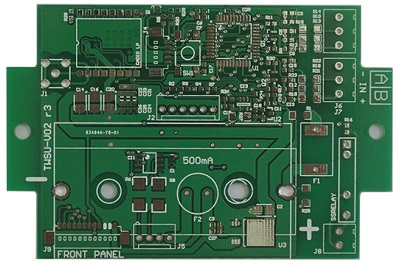 PCB
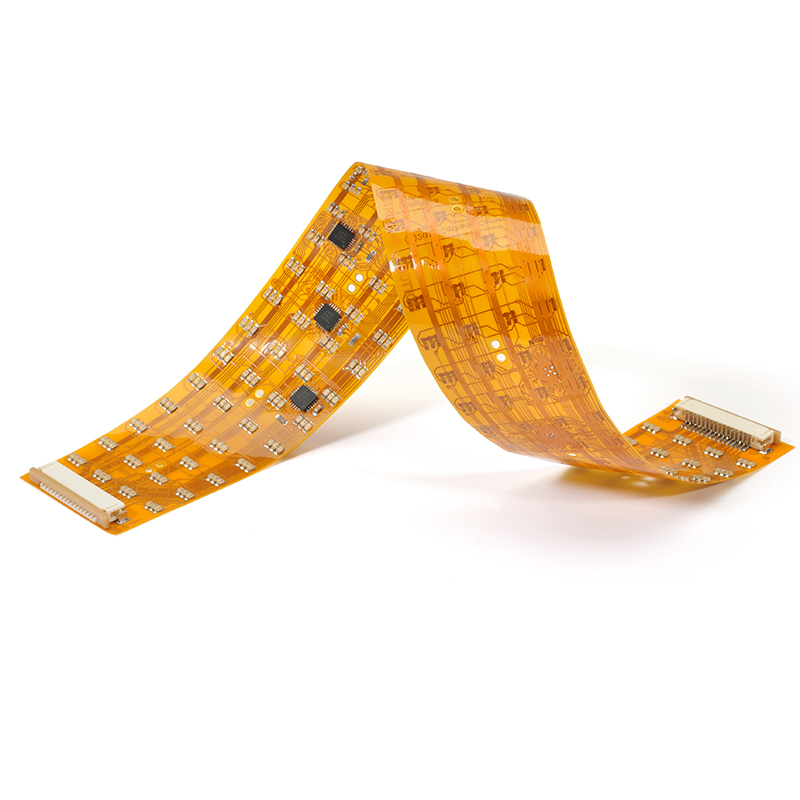 FPC
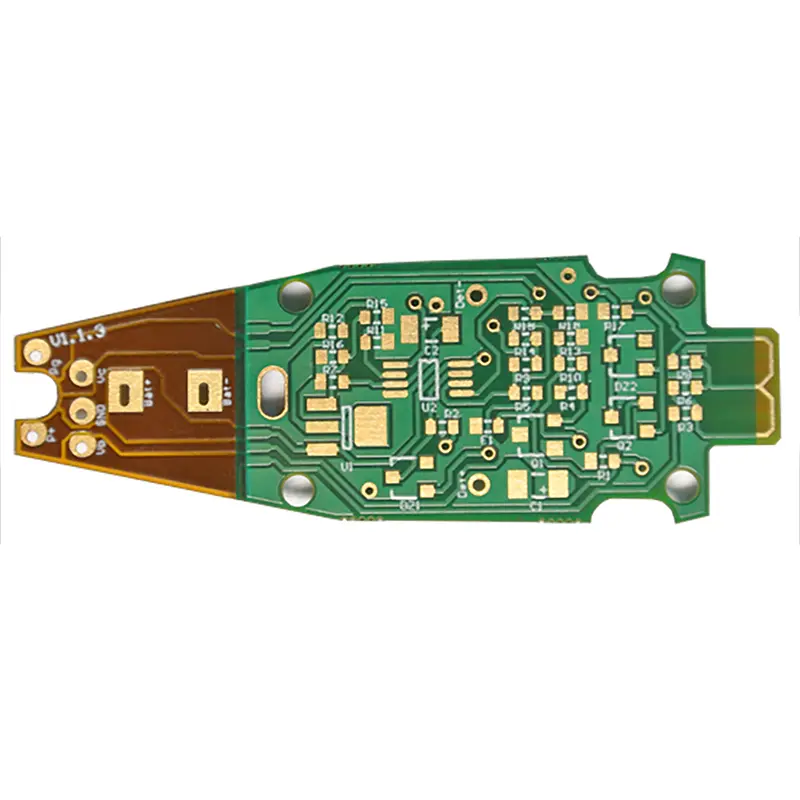 Rigid-Flex
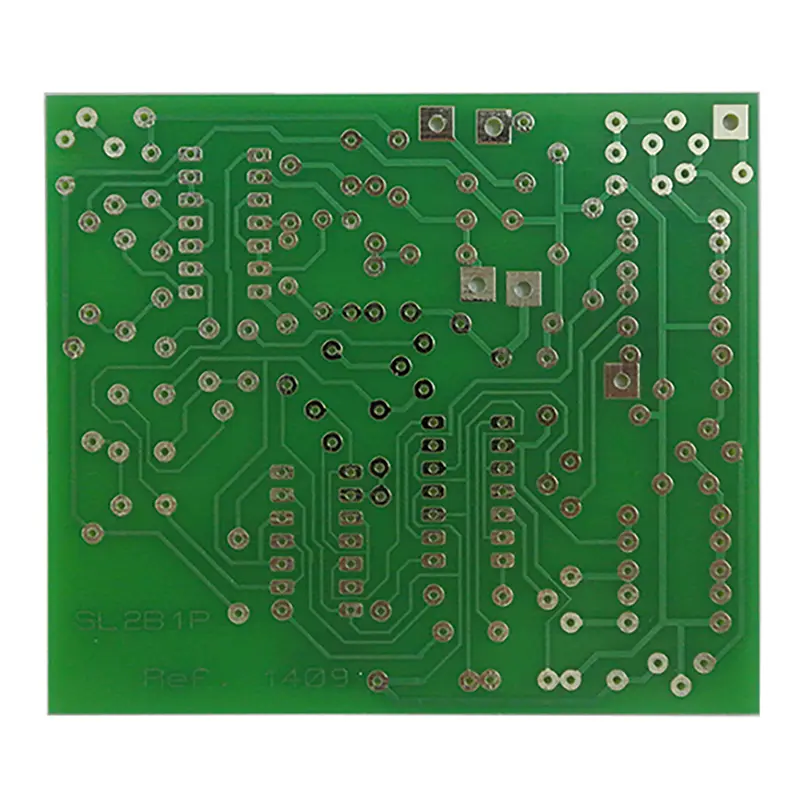 FR-4
 HDI PCB
 Rogers High-Frequency Board
 PTFE Teflon High-Frequency Board
 Aluminum
 Copper Core
 PCB Assembly
 LED light PCBA
 Memory PCBA
 Power Supply PCBA
 New Energey PCBA
 Communication PCBA
 Industrial Control PCBA
 Medical Equipment PCBA
 Testing Service
 PCBA Testing Service
 Certification Application
 RoHS Certification Application
 REACH Certification Application
 CE Certification Application
 FCC Certification Application
 CQC Certification Application
 UL Certification Application
 Transformers, Inductors
 High Frequency Transformers
 Low Frequency Transformers
 High Power Transformers
 Conversion Transformers
 Sealed Transformers
 Ring Transformers
 Inductors
 Wires,Cables Customized
 Network Cables
 Power Cords
 Antenna Cables
 Coaxial Cables
 Net Position Indicator
 Solar AIS net position indicator
 Digital Signal Processors (DSP/DSC)
 Microcontrollers (MCU/MPU/SOC)
 Programmable Logic Device(CPLD/FPGA)
 Through Hole Resistors
 Resistor Networks, Arrays
 Potentiometers,Variable Resistors
 Aluminum Case,Porcelain Tube Resistance
 Current Sense Resistors,Shunt Resistors
 Isolated Power Modules
 AC-DC Power Modules
 DC-AC Module(Inverter)


