You know, the world of electronICs manufacturing is really changing fast, and by2025, we're gonna see a big jump in demand for Custom Pcb boards. A market research report from Mordor Intelligence reveals that the global PCB market could hit a whopping USD 82 billion—all thanks to tech advancements and those ever-shrinking electronic components! Buyers from around the globe are on the lookout for trustworthy partners, and companies like Minintel Technology Co., Ltd. and Mingying Technology Co., Ltd. are really stepping up as top-notch PCBA manufacturers. They're all about delivering innovative electronic solutions. With the motto "China manufacturing, global sharing, quality you can trust," they’re ready to take on the increasing need for custom solutions while sticking to high-quality standards.
This handy procurement guide is here to give global buyers a head start on understanding future trends in custom PCB boards, so they can make smarter choices in this competitive market.
Identifying Key Features of High-Quality Custom PCB Suppliers
As the demand for custom PCB boards continues to surge, identifying high-quality suppliers becomes crucial for global buyers. Key features to consider when selecting a custom PCB supplier include their manufacturing capabilities, quality control processes, and the range of services offered. Top-tier suppliers should possess advanced machinery and techniques that ensure precision in the production of intricate designs, which is essential for modern electronic applications.
Minintel Technology Co., Ltd. exemplifies a reliable partner in this evolving landscape by specializing in PCBA services. With an emphasis on advanced electronic solutions, they prioritize rigorous quality assurance practices that align with international standards. Furthermore, potential clients should assess the supplier's experience in handling diverse projects, as this speaks volumes about their adaptability and technical expertise. By focusing on these essential attributes, buyers can secure partnerships that not only meet their custom PCB needs but also foster innovation and efficiency in their electronic products.
Evaluating Supplier Capabilities: What to Look For in 2025
So, looking ahead to 2025, really getting a good handle on supplier capabilities for custom PCB boards is gonna be super important for global buyers who are trying to navigate this ever-changing manufacturing scene. With manufacturers putting more emphasis on digital investments, it’s key to team up with suppliers who not only get the ins and outs of advanced technologies but also have a solid data setup in place. And hey, buyers should definitely seek out suppliers who are upfront about their processes and show a genuine commitment to innovation—it's a big deal.
When you're selecting suppliers, one of the big things to check out is how they've done with digital transformation in the past. You want to make sure they know how to use data analytics to boost product quality and speed up their time to market. Plus, don't forget about their risk management practices! With trade policies changing all the time, this could really shake things up in your procurement strategies.
And let's not overlook how adaptable a supplier is to global trade dynamics and tariffs; that's a big issue, especially with the economy being such a wild card lately. You might want to lean towards suppliers who've demonstrated some resilience and flexibility in their operations. It really helps to mitigate risks that come with those unpredictable markets. By keeping these key points in mind, buyers can make some savvy choices that really enhance their procurement strategies in the custom PCB board arena.
Effective Communication Strategies for Working with PCB Manufacturers
You know, effective communication really is key when it comes to getting custom PCB boards sorted out, especially as we start looking towards 2025. The electronics market is booming, and honestly, having clear communication with PCB manufacturers can make the whole design and production process a lot smoother. First off, it’s super important to get on the same page about what the project goals are and the tech specs. This means you need to lay out your requirements clearly—think dimensions, layer counts, materials, and finishes. The more detailed you can be, the better! Sharing things like schematics and even prototypes can help manufacturers really understand what you’re aiming for, which helps cut down on any confusion or expensive revisions later on.
And let’s not forget about how tech can really up our communication game. Using collaboration tools and project management software can provide some serious advantages. They allow for real-time updates and feedback, keeping everyone on the same wavelength throughout the whole manufacturing process. Regular check-ins and progress reports mean that if anything pops up, we can tackle it right away. It’s all about building a relationship based on trust and transparency, right? As the demand for custom PCBs keeps climbing, really focusing on communication strategies isn’t just about efficiency—it opens the door to innovative partnerships that can lead to some amazing products.
Future Trends of Custom PCB Boards in 2025
| Dimension | 2025 Forecast | Impact on Procurement | Communication Strategy |
| Technology Integration | Increased use of AI and IoT in PCB design | Greater need for technical specifications and compliance data | Regular updates via project management tools |
| Sustainability | Focus on eco-friendly materials | Sourcing from certified suppliers to ensure compliance | Transparency in material sourcing discussions |
| Miniaturization | Smaller, more integrated designs | Tighter deadlines and faster turnarounds | Frequent check-ins to manage timelines |
| Cost Management | Rising material and labor costs | Increased budget scrutiny and negotiation | Clear and precise budget proposals during discussions |
Understanding Cost Structures: Budgeting for Custom PCB Procurement
When you're budgeting for custom PCBs, it's super important to really get a handle on the cost breakdown. Custom PCB boards have a bunch of different cost factors, like design, materials, manufacturing, and testing. If you take the time to look at these all together, it can really help you nail down your budget. For example, using standard materials might help you save some cash, while adding in custom features can jack up the costs quite a bit.
Tips: To keep your spending in check, think carefully about how complex you want your design to be. Simplifying things where you can not only cuts down on costs but can also make the manufacturing process smoother. Plus, if you strike up a long-term relationship with your suppliers, you might be able to snag better pricing and terms.
Another big thing to keep in mind is the lead time that comes with custom PCB orders. If you need it in a hurry, be ready for those pesky rush order fees, which can really hit your budget hard. Planning ahead and knowing your supplier's production capabilities can help you avoid those unexpected costs.
Tips: Setting up a timeline at the start of the procurement process can be a game changer. It gives you a bit more wiggle room and a chance to negotiate better deals. And don’t forget to compare a few quotes to really understand the market rates and make sure you're getting the most bang for your buck.

Sustainability Trends in PCB Manufacturing: Finding Eco-Conscious Vendors
You know, as more folks start caring about the environment, the PCB (Printed Circuit Board) manufacturing scene is really shifting gears towards greener solutions. A recent report from Research And Markets suggests that the global PCB market could hit a whopping $85 billion by 2025, with a growing appetite for sustainable options. It’s pretty cool to see that more manufacturers are embracing eco-friendly practices, like swapping out lead materials and adopting energy-efficient production methods to lessen their impact on the planet.
And get this—a survey by IPC found that about 70% of PCB manufacturers are on the lookout for ways to go green by 2025. This means they’re actively seeking materials from certified suppliers who are all about sustainable forestry and recycling. If you’re in the market for PCBs, it’s definitely worth checking out potential vendors based on how committed they are to eco-friendliness. Not only will this help the environment, but it also boosts your brand’s reputation in a world that’s becoming more eco-aware. Plus, being open about their sustainability efforts and certifications is going to be super important for global buyers when they’re making purchasing decisions. It’s really all about building partnerships between brands and those eco-conscious PCB manufacturers.
Future Trends of Custom PCB Boards in 2025
Navigating Global Supply Chains for Custom PCB Sourcing: Best Practices
Navigating the ins and outs of global supply chains for custom PCB sourcing in 2025 isn’t just a job; it takes some serious strategic thinking and the ability to adapt on the fly. A recent report from Market Research Future projects that the global PCB market is set to soar to a whopping $80 billion by 2025, driven by the rising demand from sectors like automotive and consumer electronics. If buyers want to not just survive but really thrive in this competitive game, they need to embrace some solid procurement best practices. This means building reliable partnerships and leveraging real-time data analytics to keep those production processes running smoothly.
A little tip here: it’s super important to develop strong connections with multiple suppliers. Why? Well, it’s a great way to hedge against any supply chain hiccups that can pop up. And don’t forget, having a diverse sourcing strategy can help you snag competitive prices while also ensuring you maintain quality, even when the market gets a bit bumpy.
Also, if you want to step up your procurement game, look into incorporating advanced technologies like AI and IoT. According to McKinsey, companies that are using digital tools in their supply chains can cut operational costs by as much as 30%! By investing in things like predictive analytics and automating inventory management, buyers can stay one step ahead of market shifts and really optimize their custom PCB sourcing strategies.
And here's another tip: make sustainability a priority when choosing suppliers. With more and more people caring about environmental issues, teaming up with eco-conscious partners can really boost your brand's value and help you attract a wider range of customers. So, it’s a win-win!

Exploring the Advantages of Copper Core PCBs: Enhancing Performance and Reliability in Electronics
Copper core PCBs are gaining traction in the electronics industry due to their exceptional thermal management capabilities and reliable performance. With a thermal conductivity of 380W, copper substrates effectively dissipate heat, making them ideal for applications that generate significant thermal loads, such as LED lighting and power supply modules. This advanced thermal management ensures that electronic devices maintain their functionality under high-stress conditions, ultimately extending their lifespan and performance reliability.
Our company stands out as a professional PCB manufacturer with over 15 years of experience serving both Chinese and global customers. We specialize in copper core boards that can be produced in small-batch or large-batch formats with a rapid lead time—for samples, we can deliver in as little as 12 hours. Our manufacturing process accommodates a wide range of specifications, including varying PCB thicknesses from 1.0mm to 2.0mm and configurations suited for diverse applications.
Additionally, our copper core PCBs feature a direct heatsink structure, which is crucial for thermal stability in critical applications like communication equipment and automotive electronics. By utilizing high-quality materials and advanced production techniques, we ensure that our PCBs not only meet but exceed industry standards, providing customers with reliable solutions tailored to their unique needs.
FAQS
: Important features include manufacturing capabilities, quality control processes, range of services offered, and the supplier’s experience in handling diverse projects.
Evaluating manufacturing capabilities ensures that the supplier has advanced machinery and techniques necessary for precision production, which is essential for modern electronic applications.
A supplier's experience in diverse projects demonstrates their adaptability and technical expertise, which are vital for meeting specific custom PCB needs.
Suppliers who prioritize innovation and have a commitment to digital transformation can provide better solutions and improvements in product quality and time-to-market.
Understanding cost structures, including design, materials, manufacturing, and testing, is crucial for accurate budgeting. Simplifying designs and engaging in long-term partnerships may help reduce expenses.
Rush orders can incur substantial surcharges, making it essential to plan ahead and understand the supplier’s production capabilities to avoid unexpected costs.
Effective risk management practices are essential for adapting to changing trade policies and mitigating associated risks in procurement strategies.
Suppliers can show transparency by clearly communicating their processes, data management practices, and commitment to quality assurance.
Buyers should establish a timeline, compare multiple quotes, and negotiate better terms to secure the best value for their custom PCB needs.
A supplier’s adaptability can help mitigate risks associated with volatile markets and shifting economic conditions, ensuring a steadier supply chain.

 Capacitors
 Connectors
 Diodes
 Embedded Processors & Controllers
 Communication Modules/IoT
 Resistors
 Switches
 Transistors
 Power Modules
 RF and Wireless
 PCB
 FPC
 Rigid-Flex
 FR-4
 HDI PCB
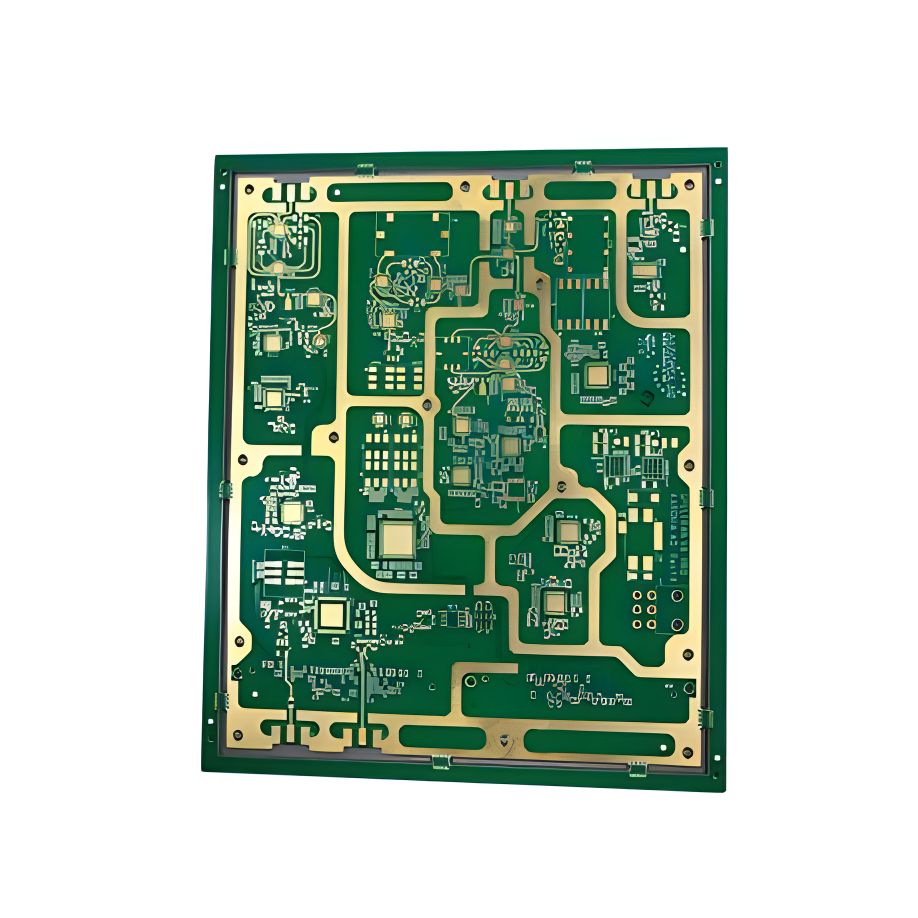 Rogers High-Frequency Board
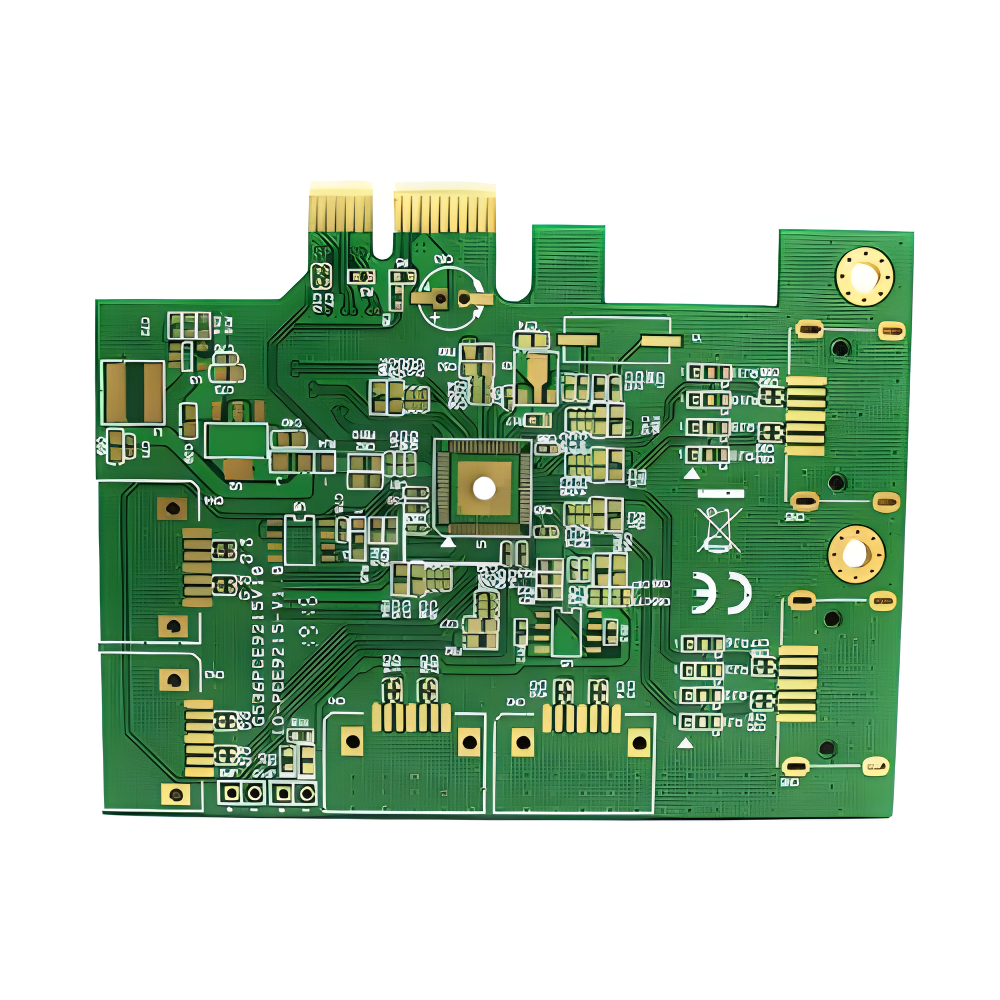 PTFE Teflon High-Frequency Board
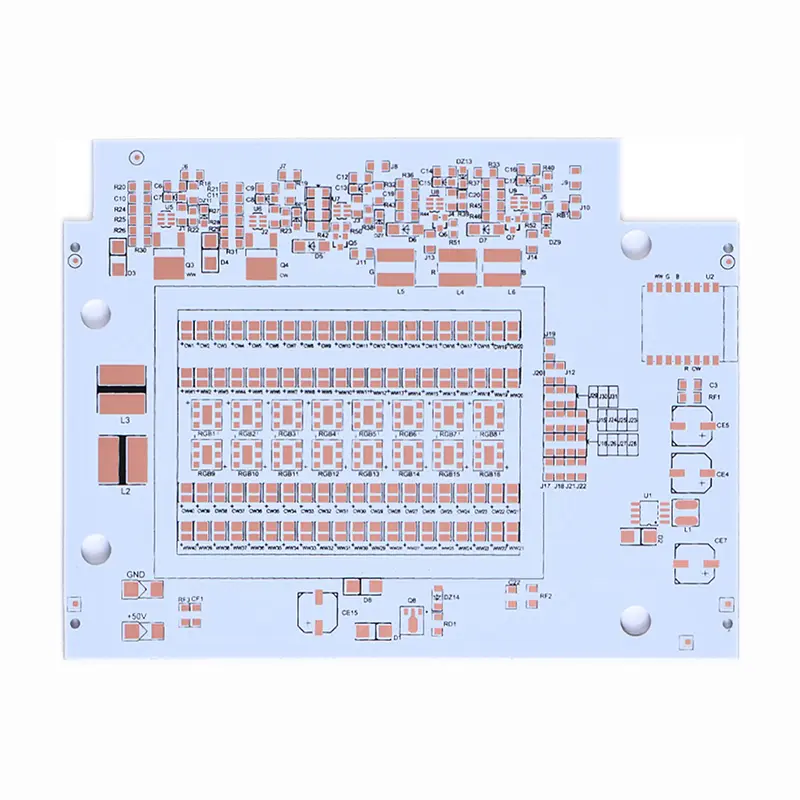 Aluminum
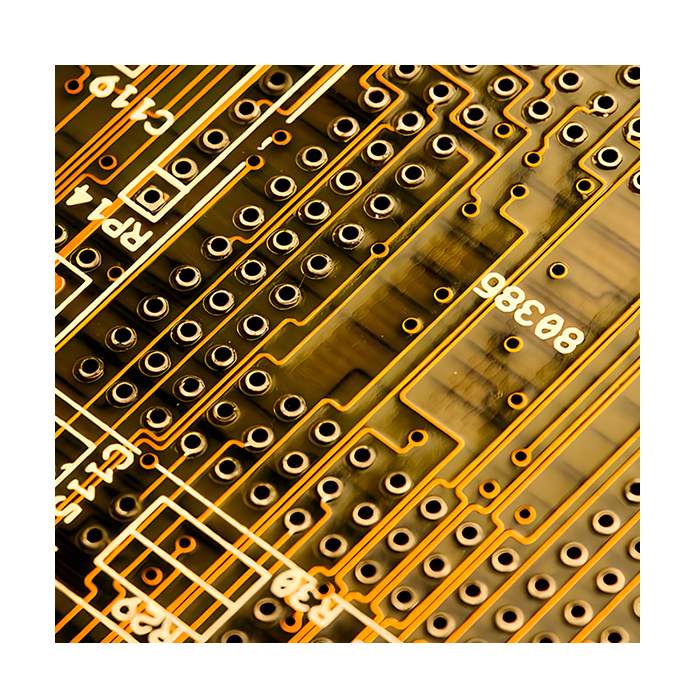 Copper Core
 PCB Assembly
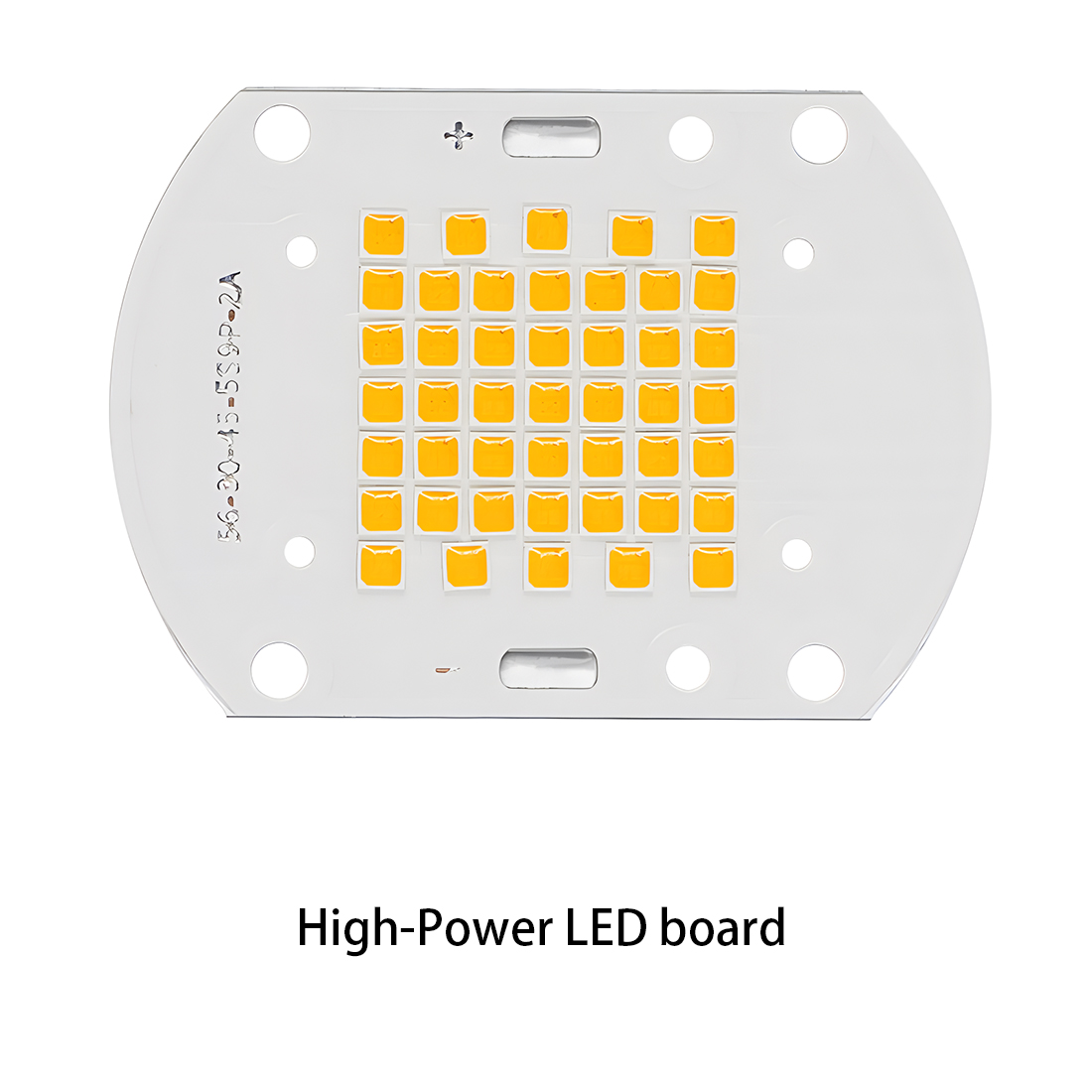 LED light PCBA
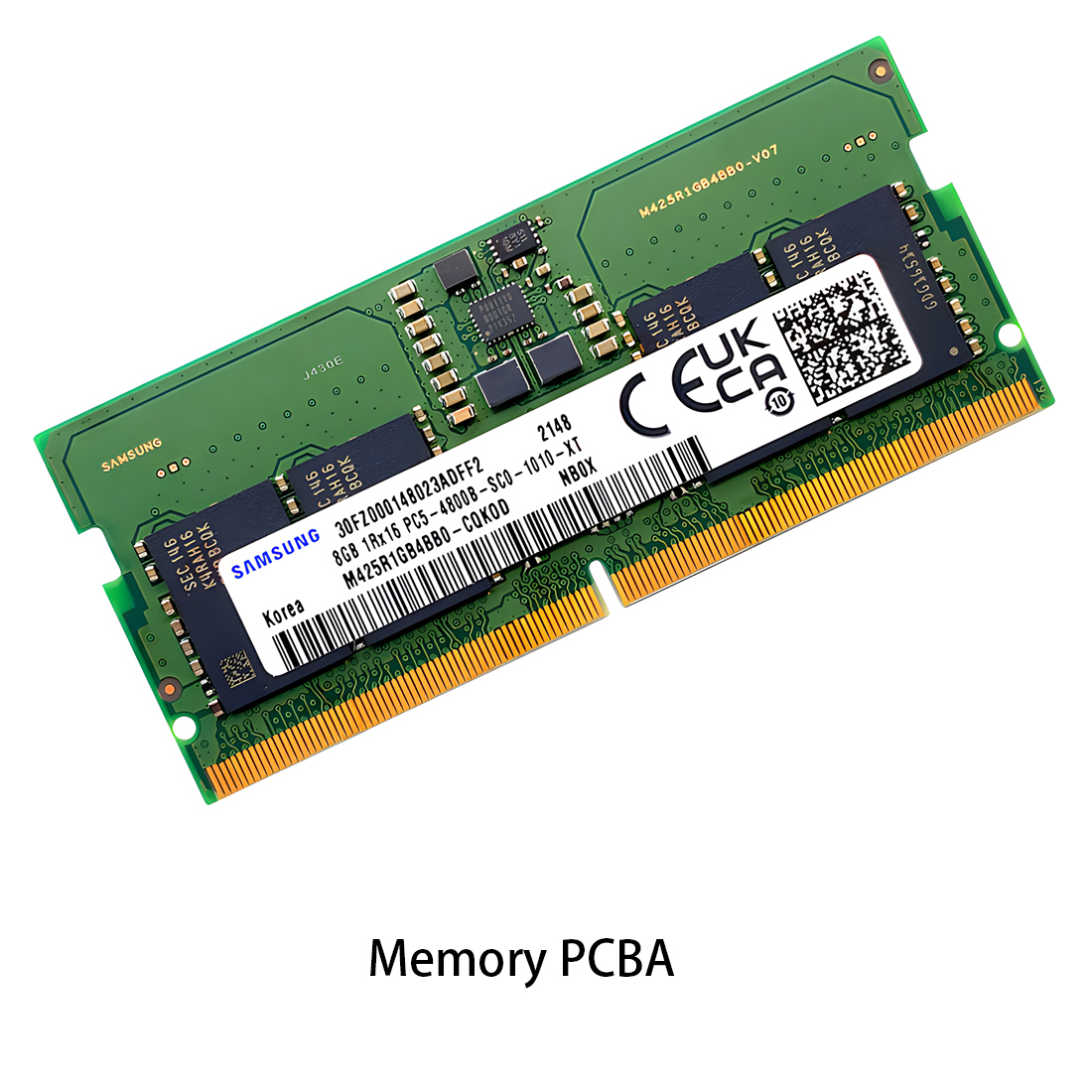 Memory PCBA
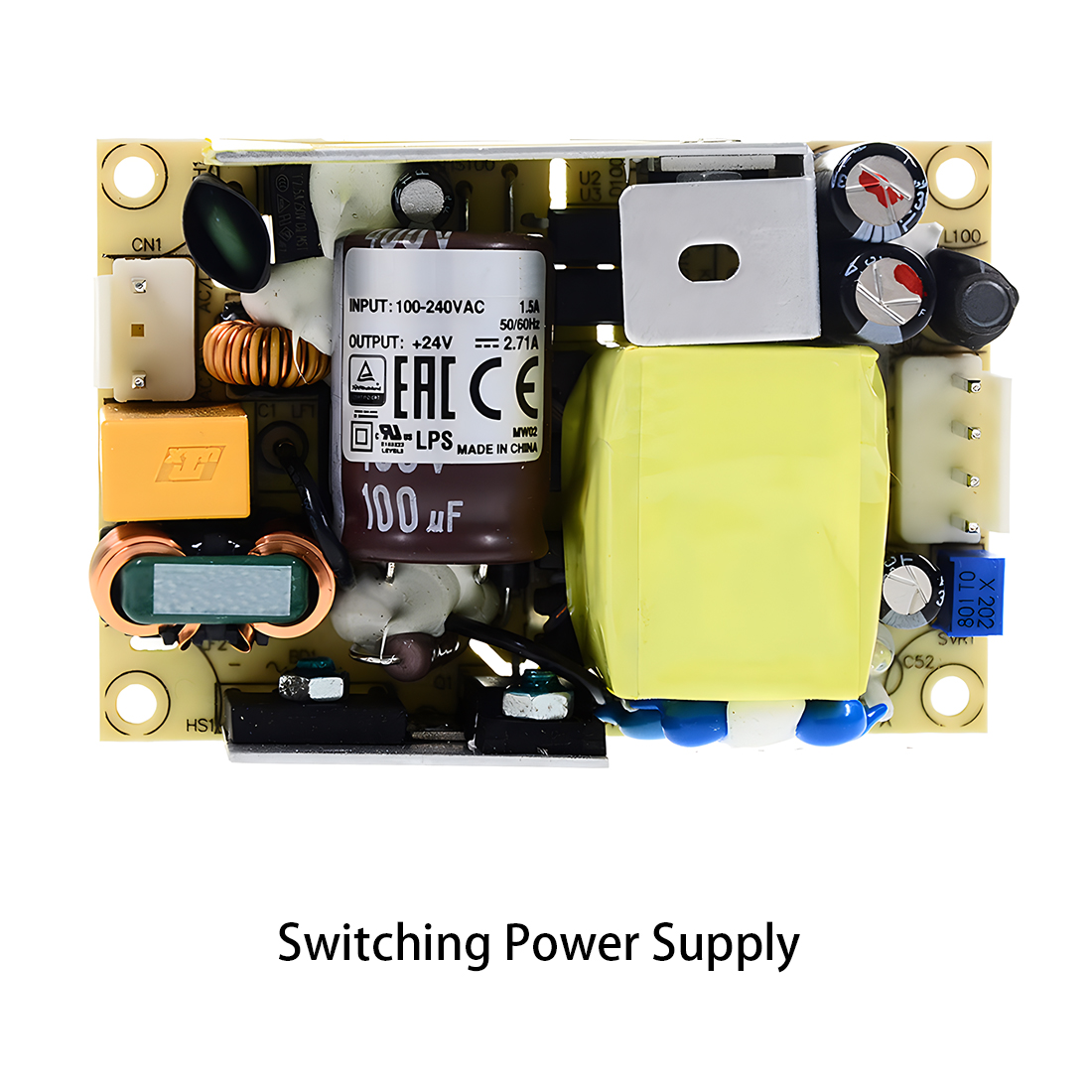 Power Supply PCBA
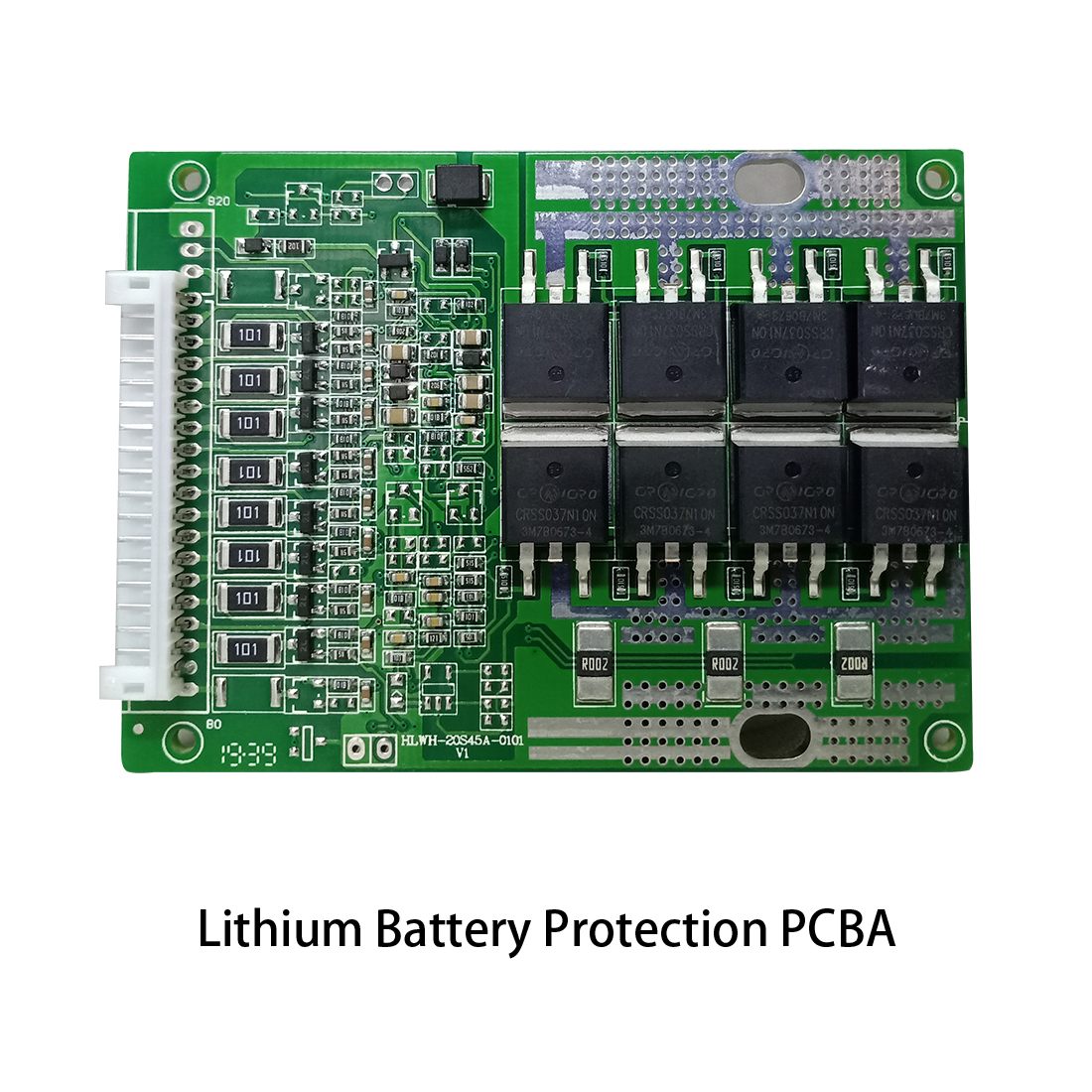 New Energey PCBA
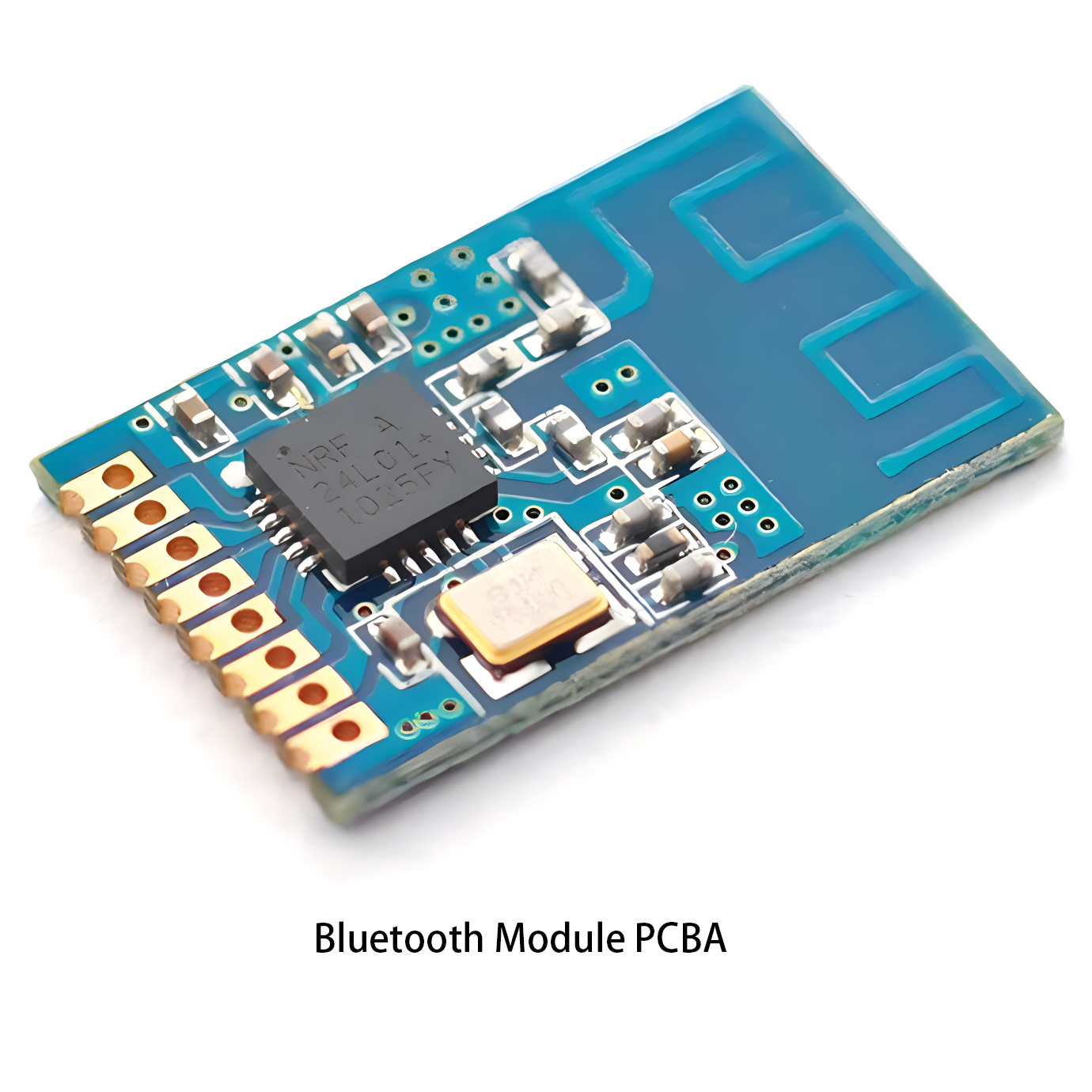 Communication PCBA
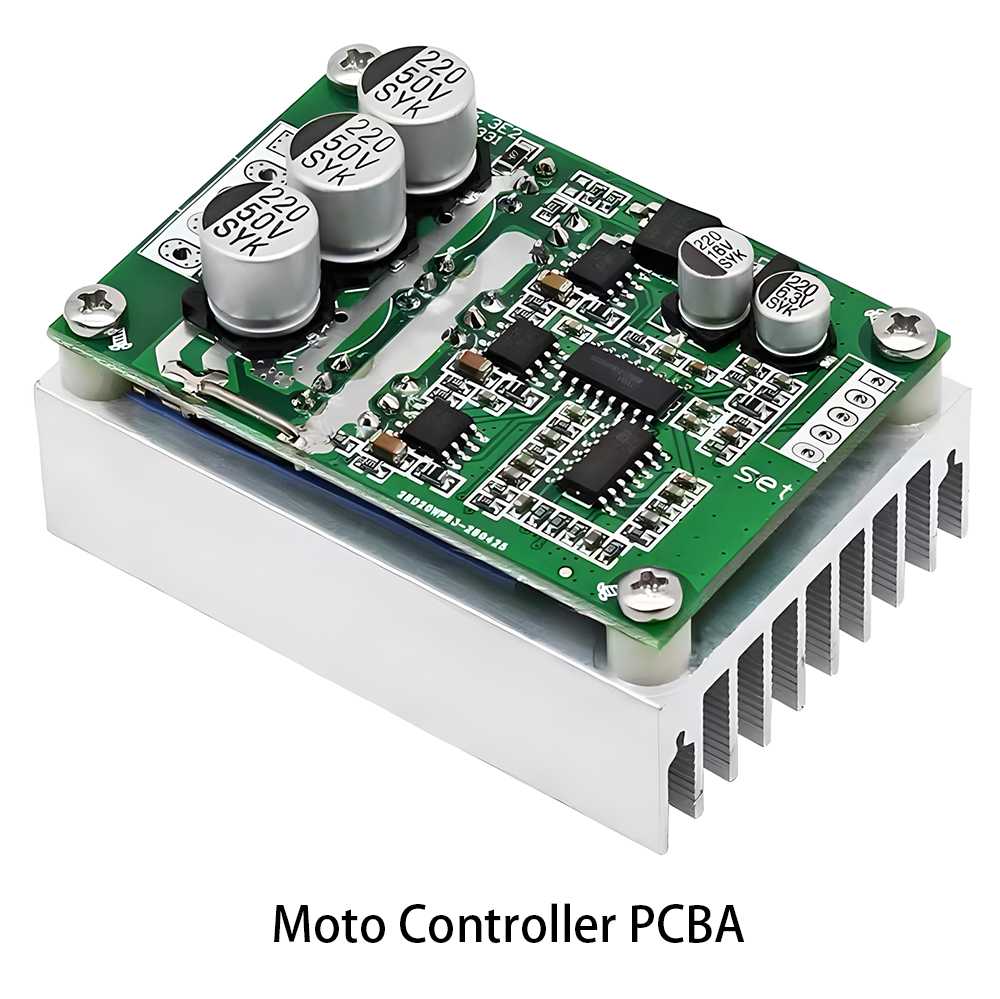 Industrial Control PCBA
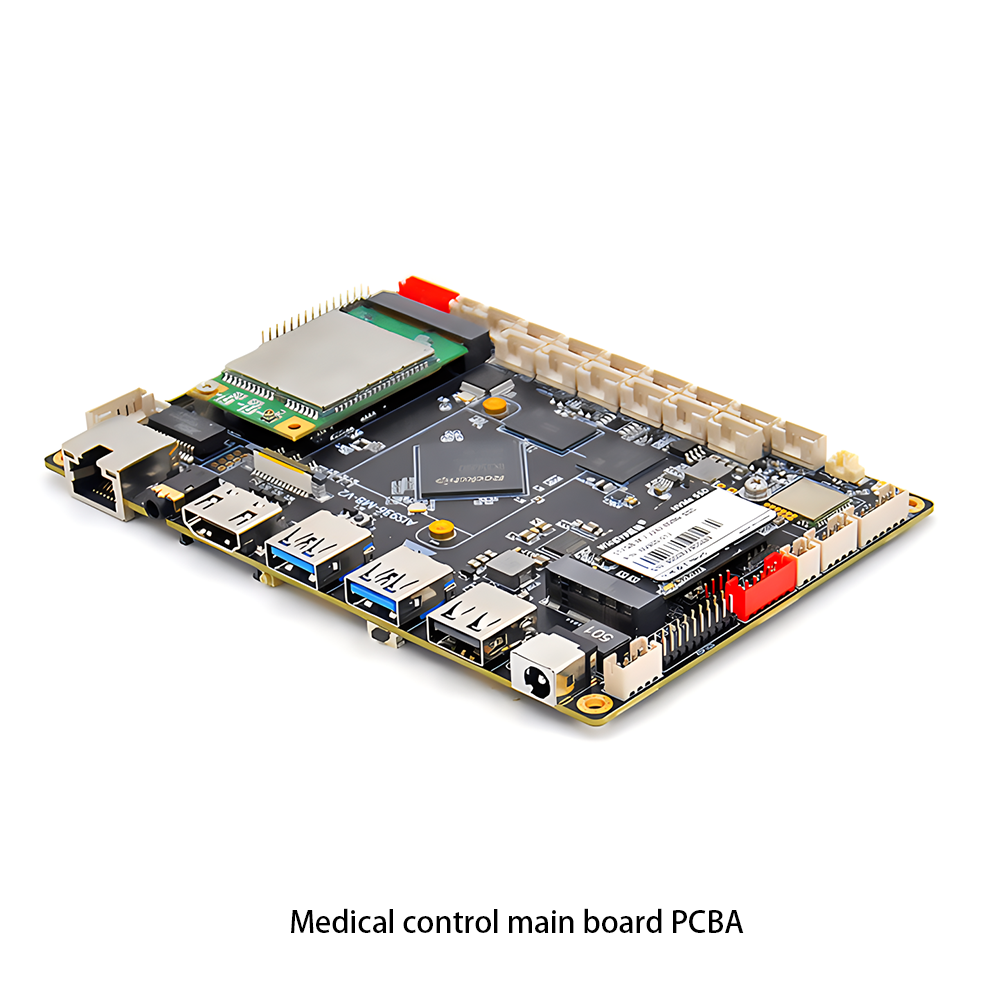 Medical Equipment PCBA
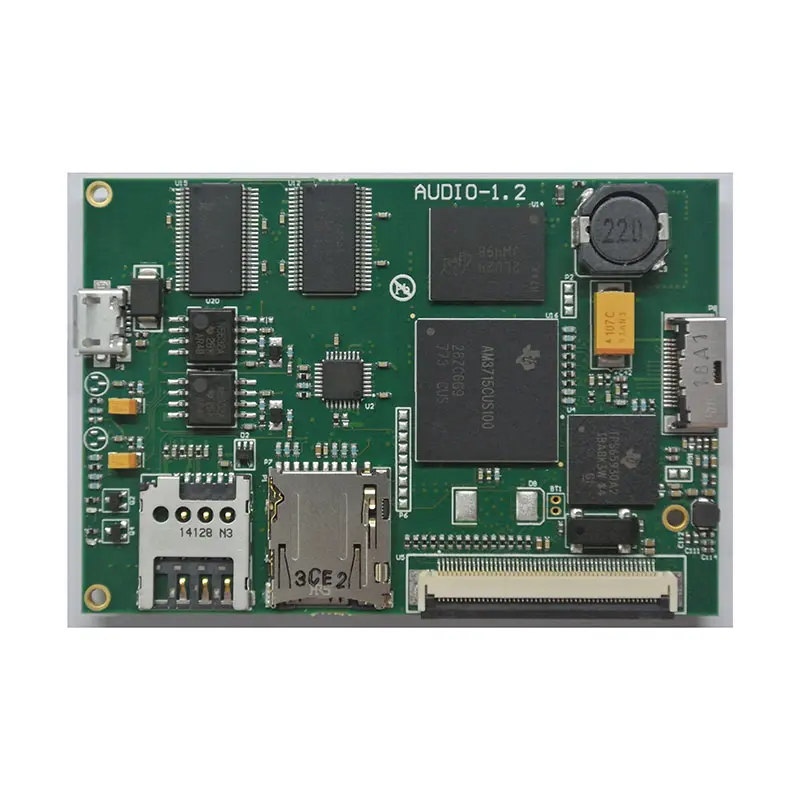 Testing Service
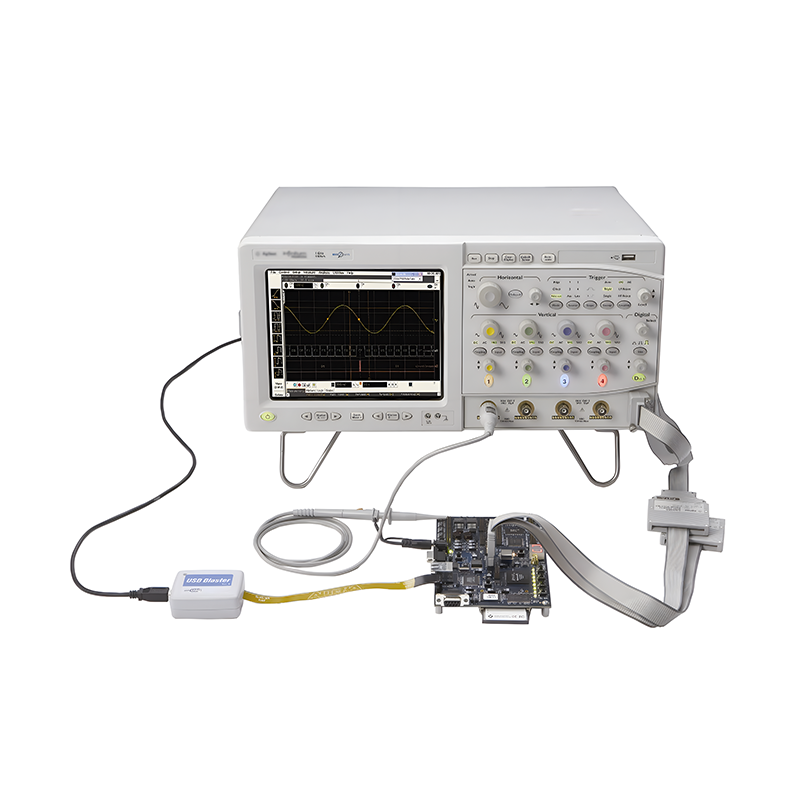 PCBA Testing Service
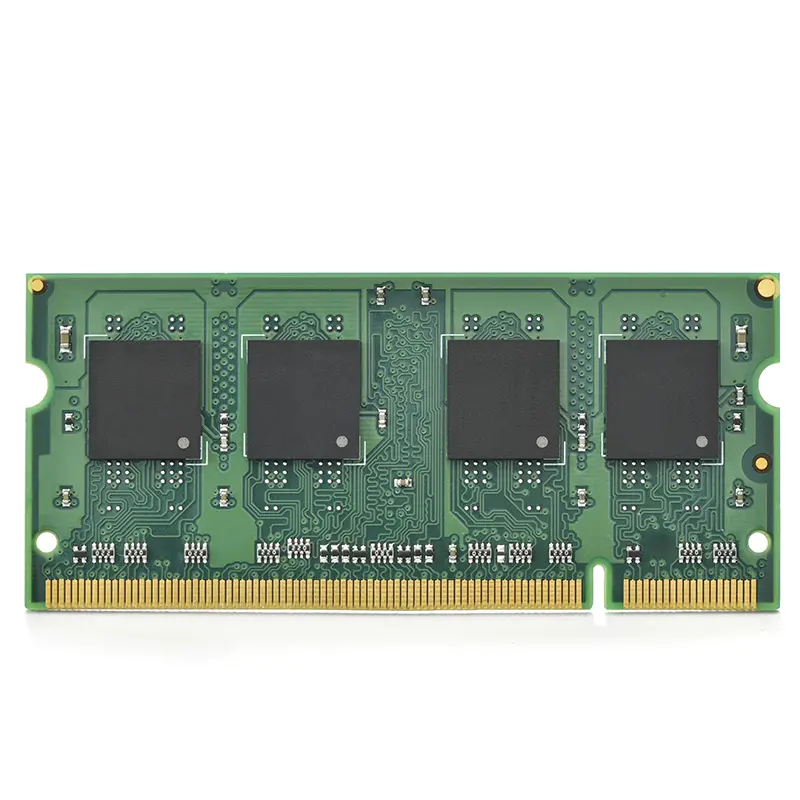 Certification Application
 RoHS Certification Application
 REACH Certification Application
 CE Certification Application
 FCC Certification Application
 CQC Certification Application
 UL Certification Application
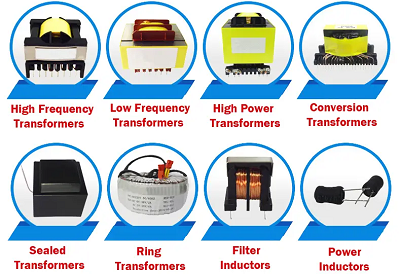 Transformers, Inductors
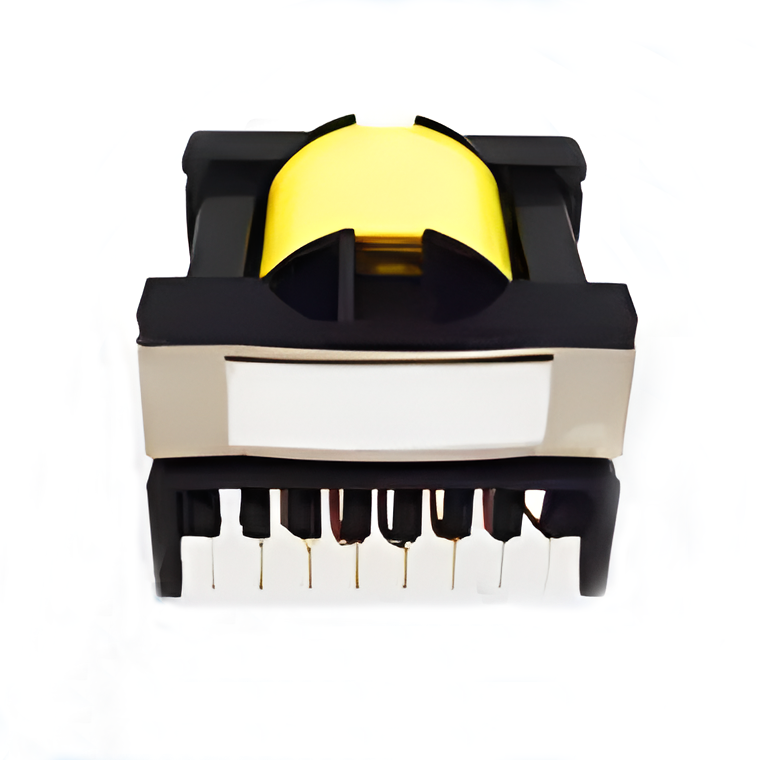 High Frequency Transformers
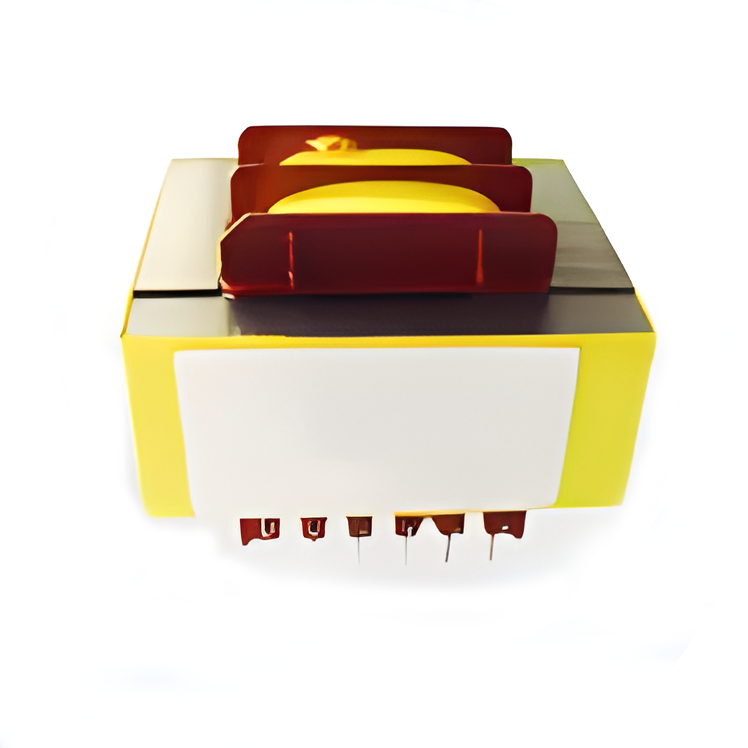 Low Frequency Transformers
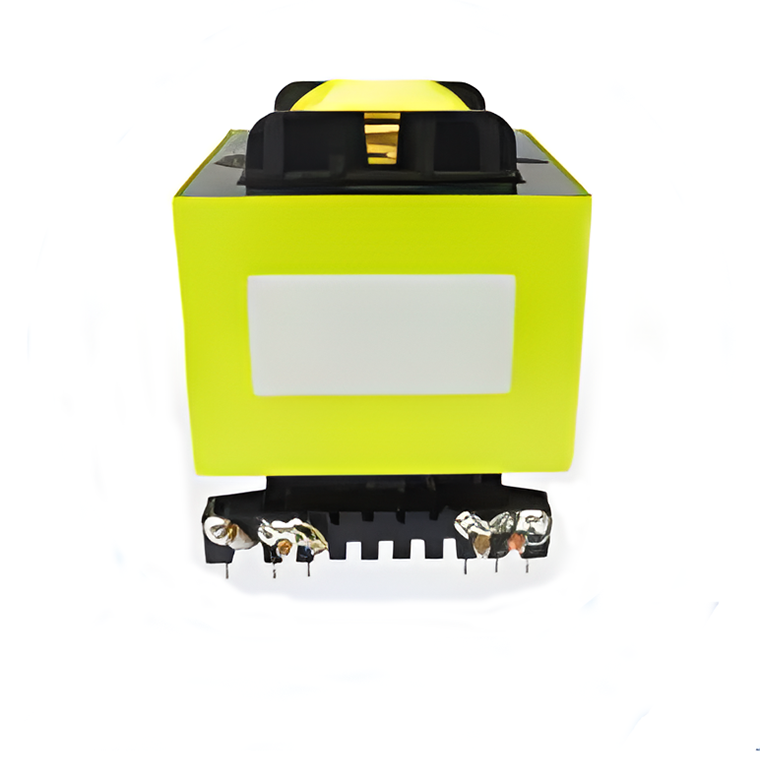 High Power Transformers
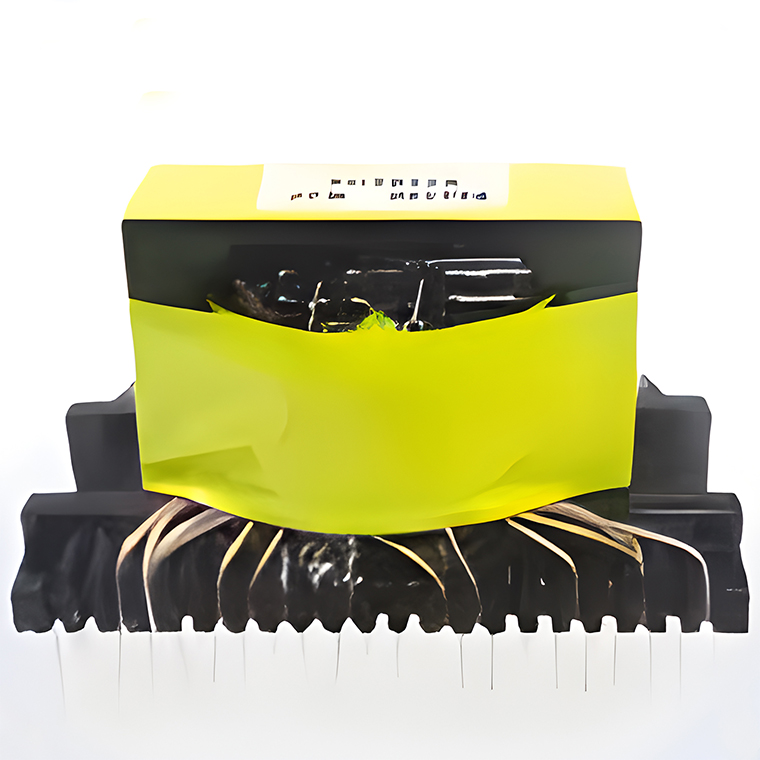 Conversion Transformers
 Sealed Transformers
 Ring Transformers
 Inductors
 Wires,Cables Customized
 Network Cables
 Power Cords
 Antenna Cables
 Coaxial Cables
 Net Position Indicator
 Solar AIS net position indicator
 Digital Signal Processors (DSP/DSC)
 Microcontrollers (MCU/MPU/SOC)
 Programmable Logic Device(CPLD/FPGA)
 Through Hole Resistors
 Resistor Networks, Arrays
 Potentiometers,Variable Resistors
 Aluminum Case,Porcelain Tube Resistance
 Current Sense Resistors,Shunt Resistors
 Isolated Power Modules
 AC-DC Power Modules
 DC-AC Module(Inverter)


