In the fast-changing world of electronICs, you really can’t overlook how important it is tooptimize the Pcb Printing process. As a top PCBA manufacturer, Minintel Technology Co., Ltd., along with Mingying Technology Co., Ltd., is genuinely dedicated to providing advanced electronic solutions that cater to our customers’ unique needs.
In this blog, we’re going to talk about some cool new techniques and best practices to improve PCB printing—making sure every project turns out with top-notch qualityand peRFormance.
Whether it’s picking the right materials or using the latest tech, understanding the ins and outs of PCB printing is key if you want to get the best results. So, join us as we dive into the future of PCB printing and explore ways to take your manufacturing skills to the next level!
Understanding the Fundamentals of PCB Printing Technology
 Getting a good grasp of how PCB printing works is pretty important if you're involved in electronics manufacturing. As tech keeps evolving, we're seeing PCB designs become more compact and packed with more features. Honestly, the market's shifting quite a bit — there's a huge focus on communication gadgets like smartphones and tablets now, since they’re practically part of our daily lives. Recent stats show that instead of sticking mainly to traditional computers, the industry is really pushing toward mobile tech. This means we need to come up with new, better printing methods to keep up with the demand.
Here's a tip: To step up your PCB printing game, make sure you're using top-quality materials and the latest design software. Plus, with AI and automation becoming more common in manufacturing, it’s a smart move because it helps you prototype faster and get things more precise.
Oh, and by the way, innovations like electroplating are now pretty crucial in PCB production. This process involves depositing metals onto the board’s surface through controlled electric currents. Embracing such tech doesn't just make your PCBs more reliable and efficient; it also supports the industry shift toward making lighter, thinner electronics.
Another tip: Try using AI-powered tools to analyze and improve your designs. This can really boost your manufacturing outcomes, especially since consumer electronics now have pretty strict performance standards. Keeping up with these tech trends can make a big difference!
Key Factors Affecting PCB Print Quality and Precision
If you want your PCB printing to turn out really top-notch, it’s super important to get a good grip on the key factors that affect print quality and precision. I read in a study by IPC that if the alignment's off, you might end up with defects on more than 40% of your boards—that’s a pretty big deal. So, making sure your PCB is perfectly aligned with the printer can really help cut down on those errors. Plus, regularly calibrating and maintaining your machines can make a huge difference in how accurate your prints are, which means better overall quality.
Another thing to keep in mind is your choice of materials. Using high-quality inks and solder pastes isn’t just about aesthetics—it actually helps with the adhesion and lowers the chances of defects showing up. Industry reports from IPC and others highlight this, and honestly, it pays to invest in materials that have been thoroughly tested for durability and performance. Also, don’t forget to keep an eye on the environment—things like humidity and temperature can totally mess with print quality if you’re not careful.
And let’s not overlook the design phase. A simple, clean layout with the right spacing goes a long way in preventing issues like short circuits and making your boards work better overall. Doing design rule checks (DRCs) early on in the CAD stage can catch problems before they become costly mess-ups. Lastly, it’s a good idea to keep learning and upgrading your team's skills—staying up-to-date on best practices for PCB design and printing can really give you the edge.
Innovative Techniques to Improve PCB Printing Efficiency
In the fast-paced world of electronics manufacturing, boosting PCB printing efficiency really is a must if you want to stay ahead. According to a report from IPC, the global PCB market is expected to hit around $80 billion by 2025, and a big chunk of that growth is driven by advances in how these boards are made. One cool new approach involves using cutting-edge 3D printing tech, which lets companies quickly create prototypes of complex PCB designs. This not only cuts down on lead times but also makes the design process way more flexible. Plus, by using 3D printing, manufacturers can test out different designs faster and cut back on wasted materials — saving money and helping to reduce environmental impact.
Another way to ramp up PCB printing efficiency is by bringing automation and AI into the mix. A study from Allied Market Research shows that the market for automated PCB inspections is expected to grow at nearly 9% each year up to 2027. These smart systems are great because they monitor the printing process in real-time, catching errors early and making instant corrections. That means fewer defects, less human error, and more consistent quality. All in all, these tech advancements really give manufacturers a leg up, helping them produce more quickly without sacrificing precision. If you're serious about staying competitive in this rapidly changing industry, embracing these kinds of innovations isn’t just a good idea — it’s essential.
Common Challenges in PCB Printing and How to Overcome Them
In today's super competitive world of PCB manufacturing, companies are facing a whole bunch of challenges that can really throw a wrench in the printing process. One of the biggest headaches is making sure that the printed circuits are accurate and consistent—no one wants to deal with rework or repairs, right? According to a report by IPC, nearly 30% of those costs come from printing mistakes. These blunders often happen because of equipment misalignment or mishandling of materials, which just goes to show how crucial regular calibration and maintenance of the printers are.
On top of that, picking the right inks and substrates is a big deal. The materials you choose can truly make or break the adhesion and electrical performance of your circuits. A study from TechSearch International pointed out that about 70% of defects in PCB production are linked to material issues. So, to keep these problems at bay, it’s smart for manufacturers to use high-quality inks that work well with their chosen substrates—and don’t forget to run compatibility tests from time to time to make sure everything’s working smoothly. By tackling these common hurdles with some solid strategies, manufacturers can really level up their PCB printing game and get better results all around.
Best Practices for Maintaining Your PCB Printing Equipment
Taking good care of your PCB printing gear isn’t just a good idea—it’s pretty much essential if you want top-notch results and to keep things running smoothly. A recent report from IPC, the association for electronics industries, found that about 76% of manufacturers say that how well they maintain their equipment directly affects how efficiently they can operate. Regular upkeep not only helps your printers last longer, but it also keeps the prints crisp and high-quality. Some basics include cleaning them regularly, calibrating properly, and swapping out worn parts before they cause bigger issues. Setting up a routine maintenance schedule can actually save the day by catching problems early—nobody wants unexpected downtime or costly repairs, right?
Oh, and let’s not forget—your environment matters, too. A study from Aegis Software shows that controlling temperature and humidity can boost printing accuracy by up to 20%. So if you keep the room around 20 to 24°C and humidity at 40% to 60%, you'll likely see some seriously better results. Basically, when you combine regular maintenance with a nicely controlled workspace, your PCB printing process gets way more reliable and efficient. That way, you’re better equipped to keep up with the increasing demands of the electronics world—and stay ahead of the game.
PCB Printing Process Efficiency
This chart illustrates the efficiency levels at various stages of the PCB printing process. Maintaining high efficiency at each stage is crucial for optimal results in PCB manufacturing.
Future Trends in PCB Printing: What to Expect and Prepare For
The future of PCB printing is looking pretty exciting, honestly. It’s on the verge of a big transformation, mainly thanks to cool new tech and the skyrocketing demand for high-performance electronics. Experts are saying that the worldwide PCB market, which was around $783 billion in 2023, could jump to about $968 billion by 2025. That’s a huge leap! A lot of this growth is tied to how quickly artificial intelligence is being adopted across different industries. And China, being the top producer globally, is really at the center of all this buzz.

With these rapid changes, manufacturers are going to need to get ready. Smart manufacturing and automation aren’t just buzzwords anymore—they’re becoming essential. They can help make the whole production process more efficient and precise, which is a win-win. Plus, as more companies turn to AI tools, making data-driven decisions will become a game changer. Combining cutting-edge printing methods with smoother workflows could really boost the quality and speed of PCB production. All in all, staying innovative—whether it’s in materials or processes—will be key to meeting the demands of the new wave of electronic devices coming down the pipeline. It’s an exciting time, no doubt, with lots of opportunities just around the corner.
Exploring the Advantages of Copper Core PCBs: Enhancing Performance and Efficiency in Electronics
The demand for high-performance electronics is constantly rising, and copper core PCBs (Printed Circuit Boards) are at the forefront of this evolution, enhancing both performance and efficiency. With exceptional thermal conductivity rated at 380W, copper core PCBs are ideal for applications that generate significant heat, such as LED lighting, power supply modules, and automotive electronics. These boards leverage direct heatsink designs to provide superior heat dissipation, ensuring that electronic components operate within their optimal temperature ranges.
Our company specializes in producing high-quality copper core PCBs, tailored to meet the diverse needs of our global clientele. Whether you require a small sample delivery in as little as 12 hours or large-batch production, we can accommodate various scales of manufacturing. Our multi-dimensional production modes cater to a wide array of industries, ensuring that each PCB meets stringent quality standards and unparalleled performance. With a PCB thickness range of 1.0mm to 2.0mm and a minimum line width of just 0.1mm, we provide flexible solutions that conform to modern design requirements.
Choosing copper substrate for PCBs not only boosts thermal stability but also enhances electrical performance, making it a preferred choice for manufacturers aiming for reliability and efficiency. With over 15 years of experience in collaborating with both Chinese and global customers, we are dedicated to delivering cutting-edge solutions in PCB manufacturing. To explore our full capabilities and discover how copper core PCBs can elevate your electronic products, please visit our website.
FAQS
: Advanced 3D printing technologies and the integration of automation and AI-driven inspection systems are innovative techniques that enhance PCB printing efficiency. These methods allow for rapid prototyping, design flexibility, real-time monitoring, and immediate corrections during the printing process.
3D printing allows manufacturers to quickly iterate designs, reduce lead times, decrease material waste, and achieve cost savings while creating complex PCB designs with a smaller environmental footprint.
Common challenges in PCB printing include ensuring accuracy and consistency of printed circuits and selecting suitable inks and substrates. Equipment misalignment and material-related issues are prominent sources of defects.
Manufacturers can mitigate printing inaccuracies by performing precise calibration, maintaining regular upkeep of printing machines, and implementing strategic solutions to avoid equipment misalignment.
The choice of inks and substrates affects the adhesion and electrical performance of printed circuits. High-quality inks tailored to specific substrates can significantly reduce material-related defects.
Key best practices include routine cleaning, calibration, replacement of worn-out parts, and implementing a preventative maintenance schedule to identify issues early and reduce downtime.
Maintaining optimal temperature (20°C to 24°C) and humidity (40% to 60%) can improve printing accuracy, as controlling these environmental factors is essential for reliable and high-quality outputs in PCB printing.
Equipment maintenance directly impacts operational efficiency, prolongs the lifespan of printers, ensures high-quality prints, and is crucial for meeting the increasing demands of the electronics industry.
By addressing common challenges, adopting innovative techniques, and implementing maintenance best practices, manufacturers can significantly improve their PCB printing processes and achieve superior results.
Conclusion
In today's fast-changing world of electronics, getting your PCB printing just right is more important than ever if you want great results. Honestly, starting with a good understanding of how PCB printing works sets the foundation for high-quality, precise outputs. Things like picking the right materials, calibrating your printer correctly, and paying attention to the environment all play a huge role. Trying out some fresh techniques can definitely boost efficiency, and tackling common hiccups—like misalignment or material flaws—can make your process smoother overall.
Plus, taking good care of your PCB printing equipment is a total must. Regular maintenance helps keep everything running smoothly, prevents costly breakdowns, and makes sure your tech stays up-to-date. Looking ahead, it’s super important for companies like Minintel Technology Co., Ltd. to stay on top of new trends in PCB printing. Adapting to these emerging tech changes not only keeps you competitive but also helps you keep up with what your customers need now and in the future. Bottom line: staying current and well-maintained is the way to go in this fast-moving industry.

 Capacitors
 Connectors
 Diodes
 Embedded Processors & Controllers
 Communication Modules/IoT
 Resistors
 Switches
 Transistors
 Power Modules
 RF and Wireless
 PCB
 FPC
 Rigid-Flex
 FR-4
 HDI PCB
 Rogers High-Frequency Board
 PTFE Teflon High-Frequency Board
 Aluminum
 Copper Core
 PCB Assembly
 LED light PCBA
 Memory PCBA
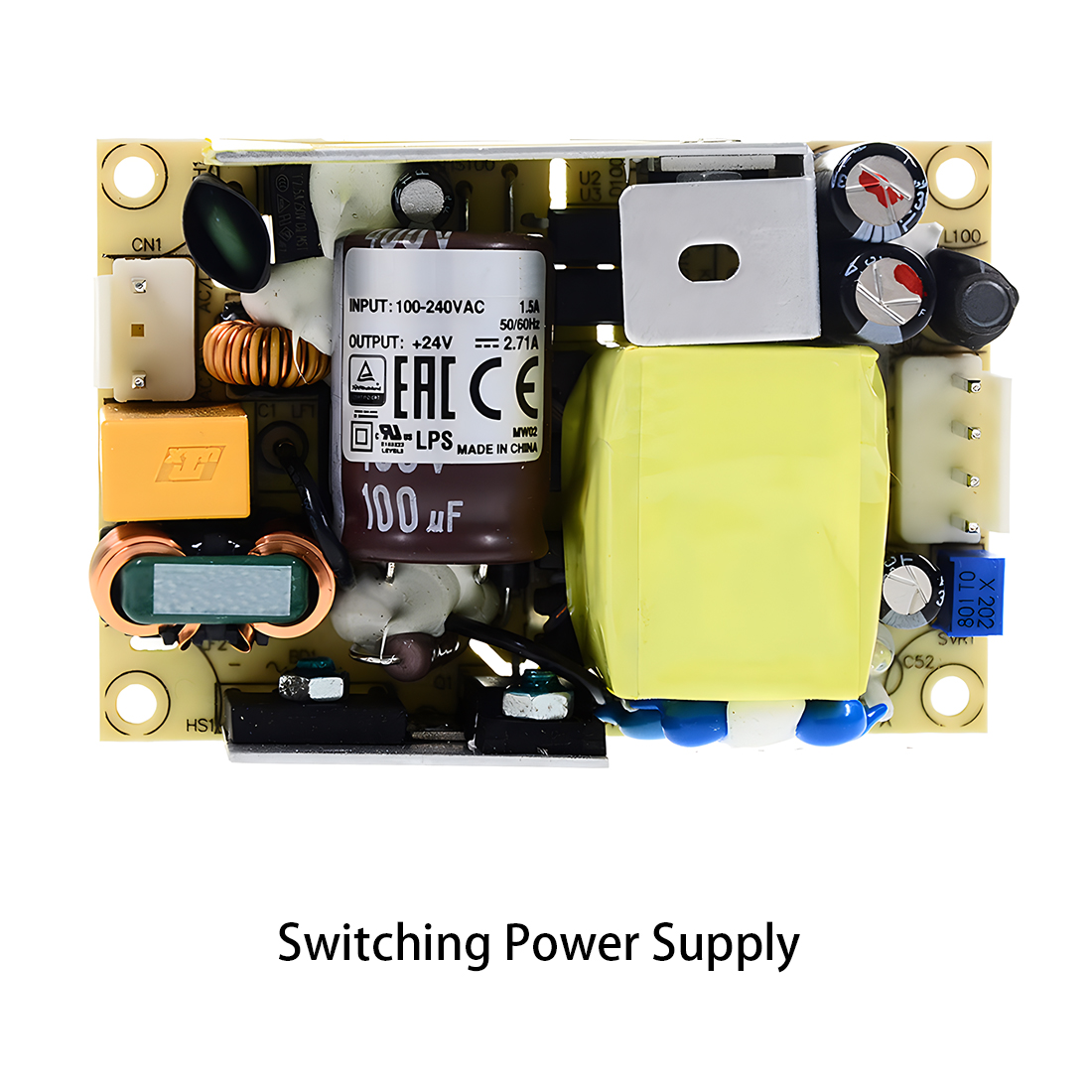 Power Supply PCBA
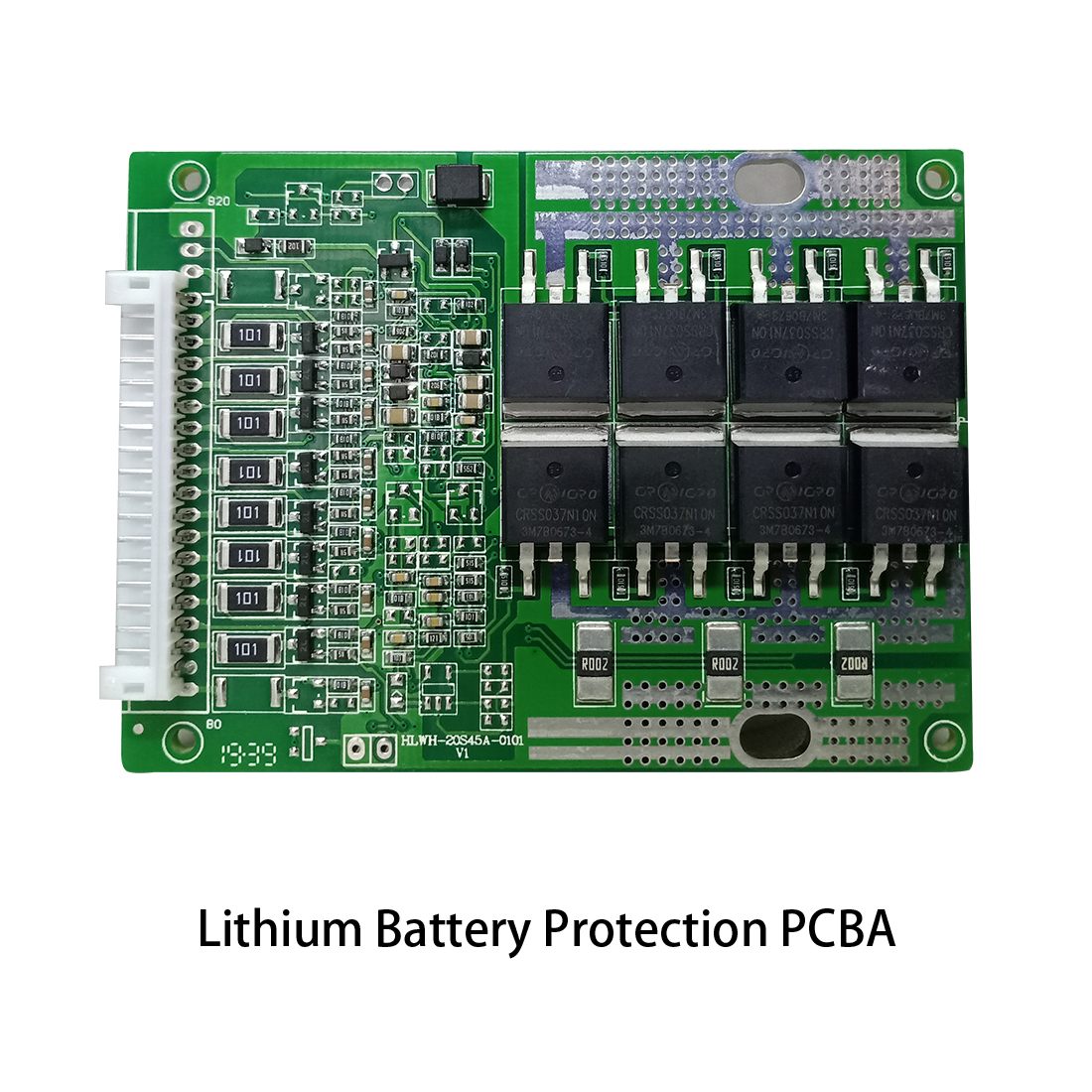 New Energey PCBA
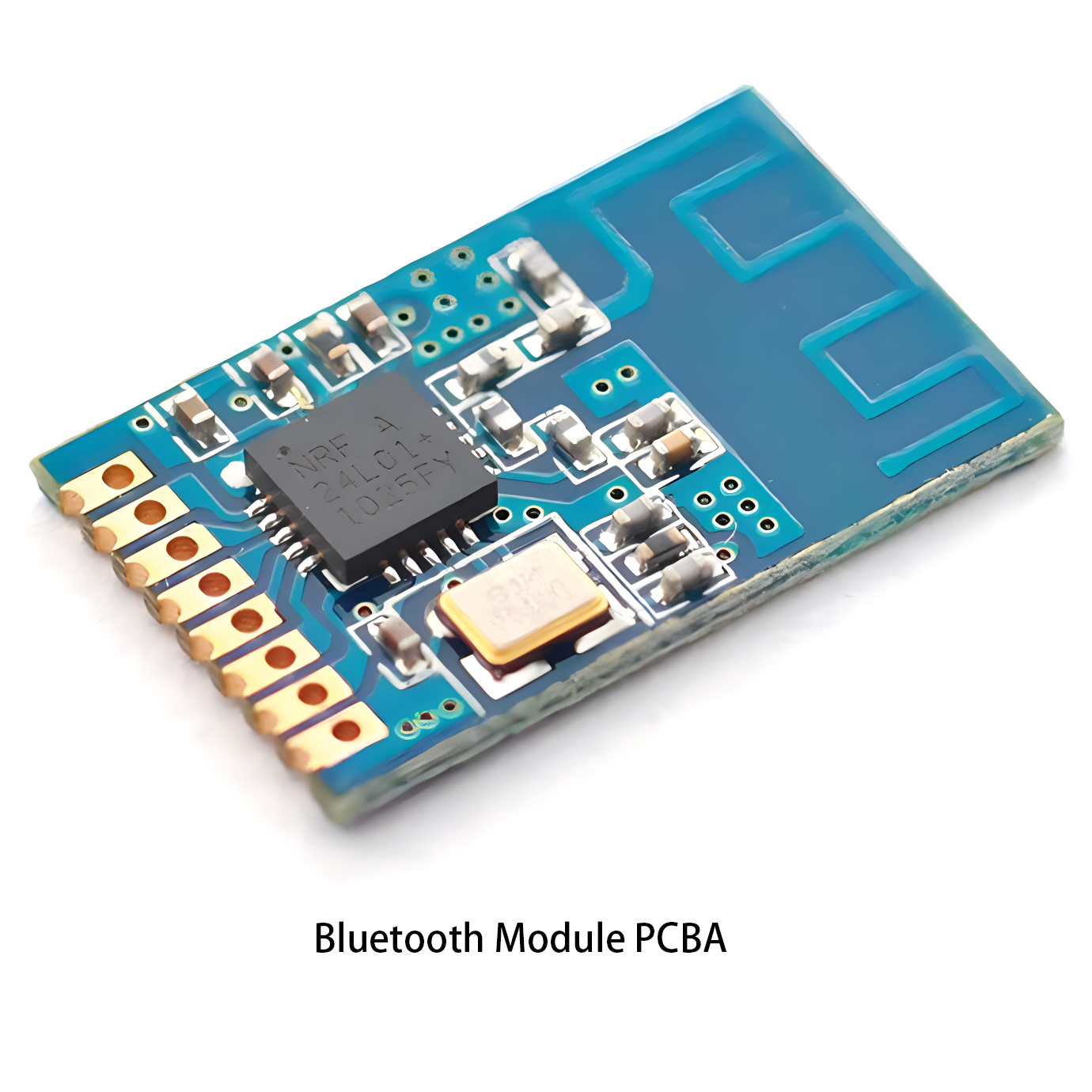 Communication PCBA
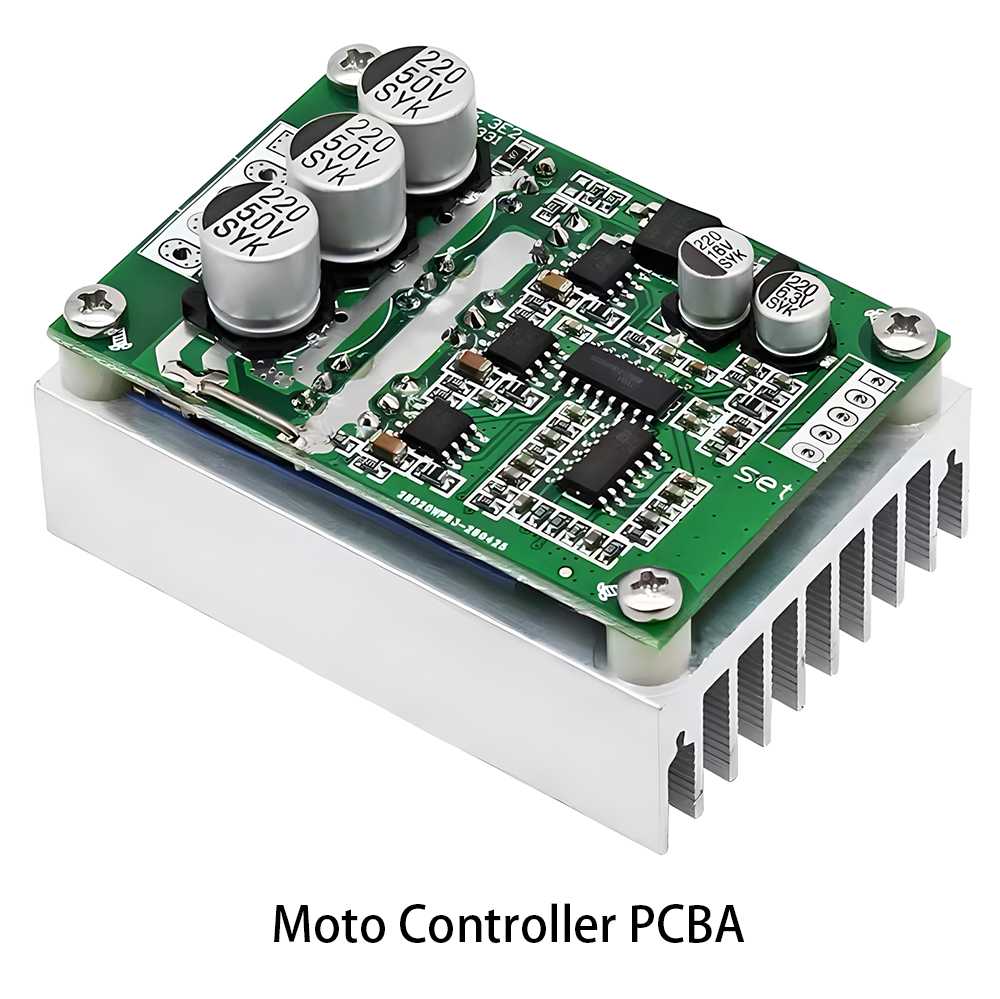 Industrial Control PCBA
 Medical Equipment PCBA
 Testing Service
 PCBA Testing Service
 Certification Application
 RoHS Certification Application
 REACH Certification Application
 CE Certification Application
 FCC Certification Application
 CQC Certification Application
 UL Certification Application
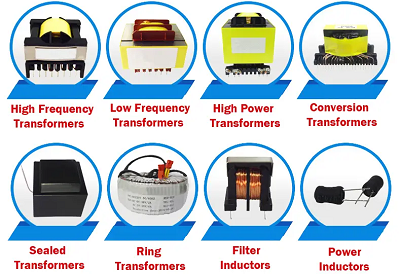 Transformers, Inductors
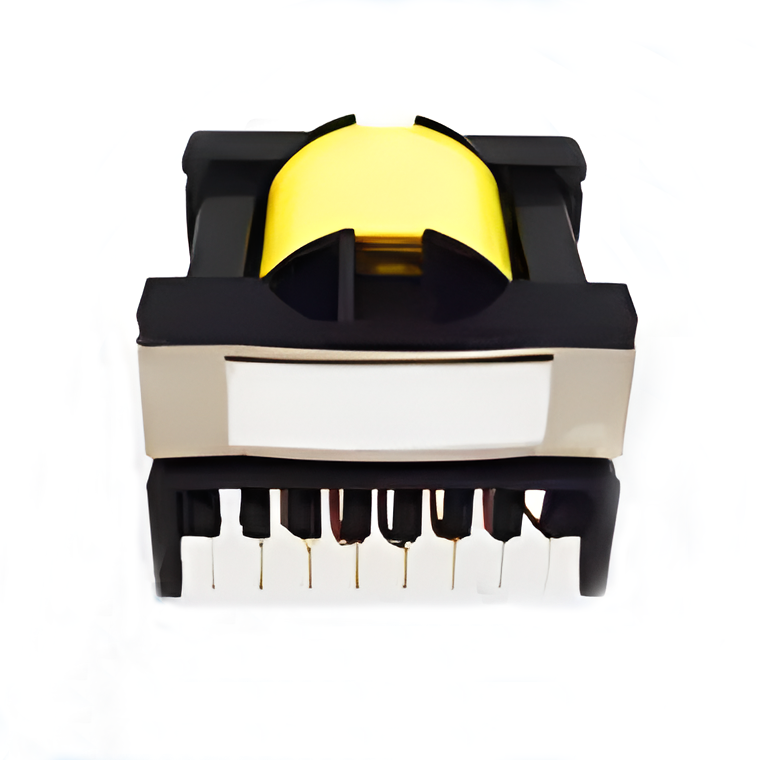 High Frequency Transformers
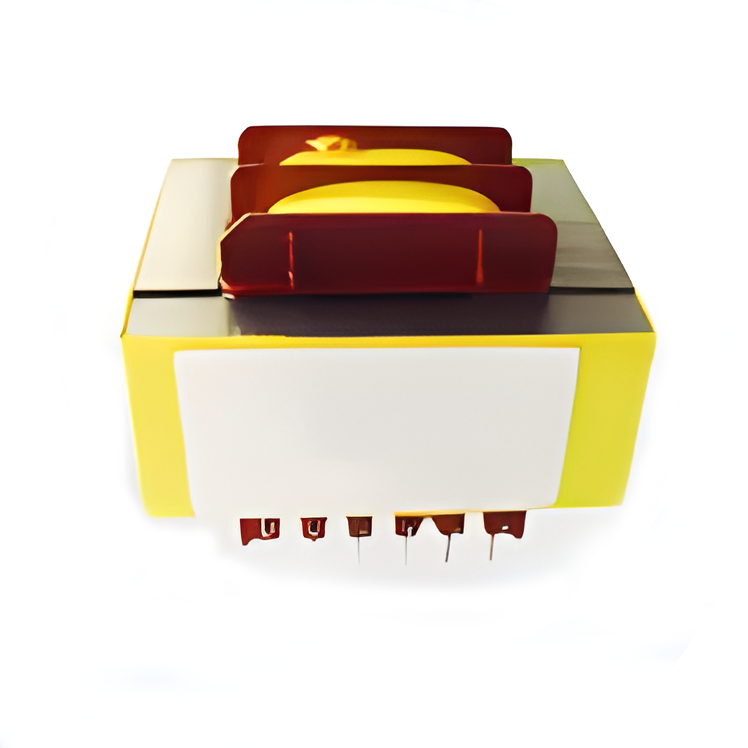 Low Frequency Transformers
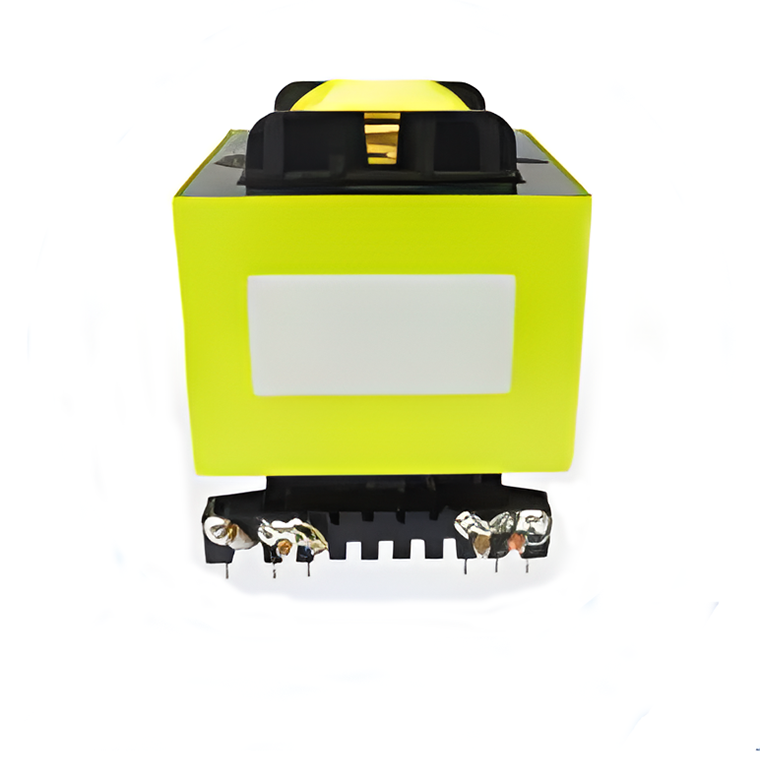 High Power Transformers
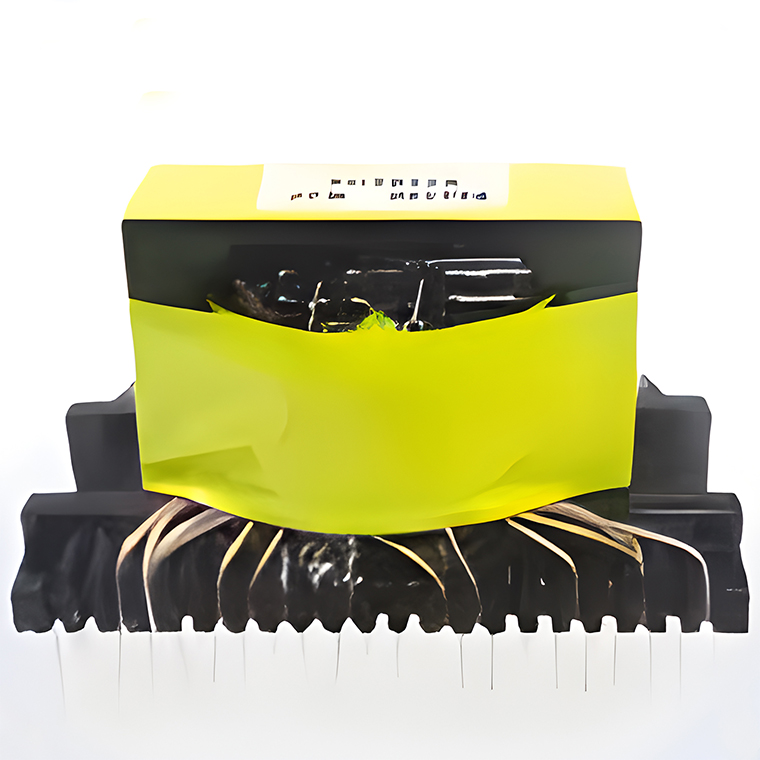 Conversion Transformers
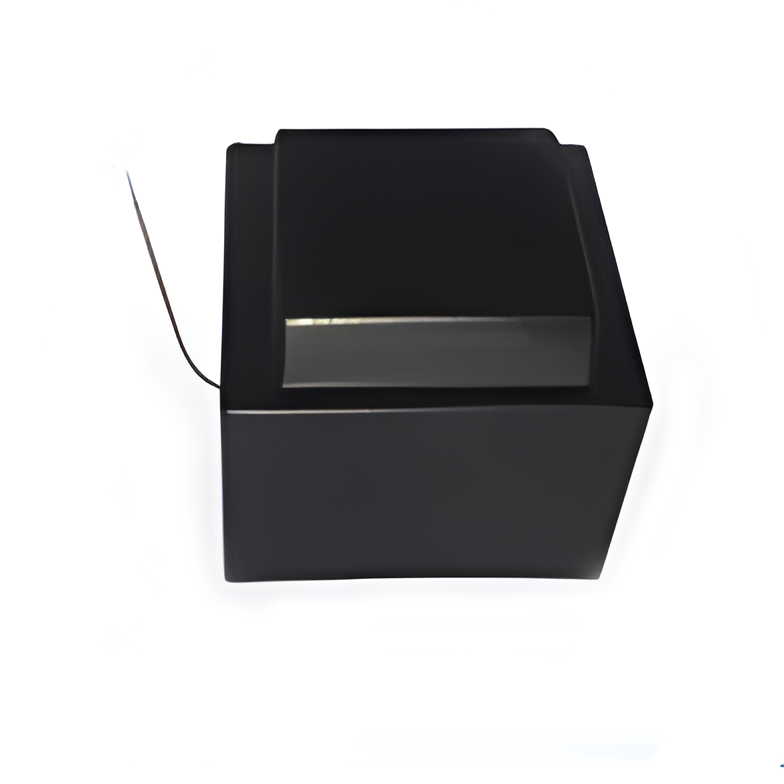 Sealed Transformers
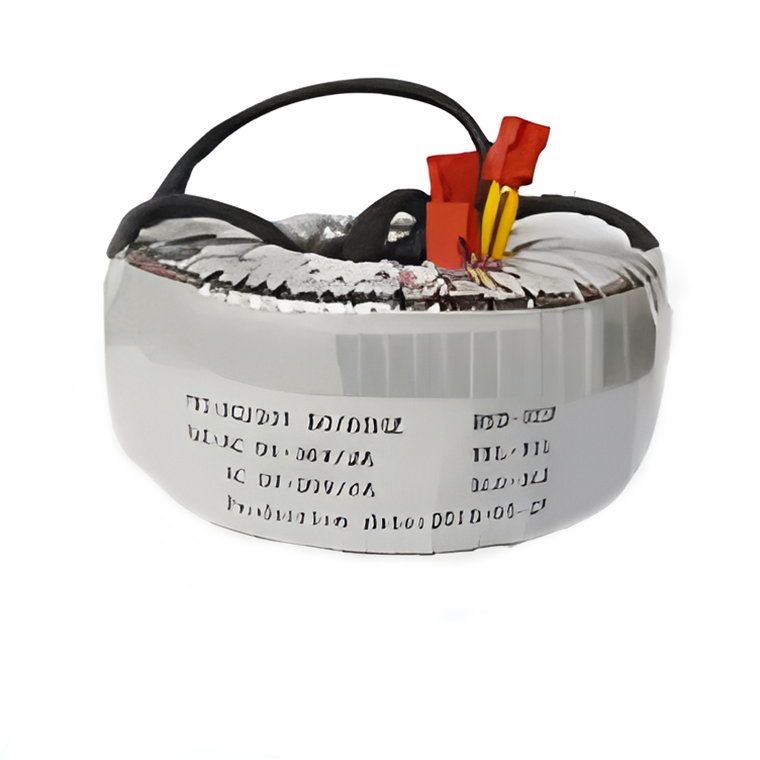 Ring Transformers
 Inductors
 Wires,Cables Customized
 Network Cables
 Power Cords
 Antenna Cables
 Coaxial Cables
 Net Position Indicator
 Solar AIS net position indicator
 Digital Signal Processors (DSP/DSC)
 Microcontrollers (MCU/MPU/SOC)
 Programmable Logic Device(CPLD/FPGA)
 Through Hole Resistors
 Resistor Networks, Arrays
 Potentiometers,Variable Resistors
 Aluminum Case,Porcelain Tube Resistance
 Current Sense Resistors,Shunt Resistors
 Isolated Power Modules
 AC-DC Power Modules
 DC-AC Module(Inverter)


