Picking the right PCB manufacturer can genuinely make or break your electronic project. With so many options out there, it's super important to consider what really matters—like quality, reliability, and tech know-how. Companies such as Minintel Technology Co., Ltd. and Mingying Technology Co., Ltd. really stand out in the crowd, offering advanced PCBA solutions that are flexible enough to fit just about any project. When you're choosing a manufacturer, think about their expertise, what they can produce, and how good they are at supporting their customers. Getting these details right will help you make smarter choices and really push your project forward. Let’s walk through some key points to help you find the peRFect PCB partner for your unique needs.
Understanding PCB Types: A Guide to Matching Your Project Requirements
When you're starting out with a PCB project, it’s super importantto get a good handle on the different types of printed Circuit Boards out there. Knowing the options — likesingle-sided, double-sided, and multi-layer boards — can really help you match your project needs with the right manufacturer. For example, single-sided boards are usually more budget-friendly and work well for simple stuff. If you need a bit more complexity and can pack in more components, then double-sided boards are the way to go. And for really high-end, performance-demanding projects — think aerospace or medical devices — multi-layer boards are often the best fit.

Figuring out which type to go for isn’t just about looks; you gotta consider things like size, weight, and what your device needs to do. If you’re going for something lightweight with fewer parts, a single-sided PCB is probably enough. But if you've got a complex design with lots of connections, then a multi-layer PCB might be necessary. Once you get the hang of these differences, it’s much easier to chat with manufacturers confidently. This way, you can make sure your project isn’t just doable but also optimized in terms of performance and cost. It’s all about making smart choices early on, so your project turns out just right.
Key Factors in Evaluating PCB Board Manufacturers: Quality, Capabilities, and Reliability
Picking the right PCB manufacturer is super important if you want your electronics project to be a hit. When you're scoping out different suppliers, there are three main things to keep in mind: quality, what they can do (capabilities), and whether you can count on them (reliability). According to the IPC International Technology Roadmap, quality isn’t just some number or rating—it’s actually a big deal because it directly impacts how well your devices work and how long they last. High-quality PCBs help cut down on failures and make sure your products last longer, especially if you’re in tough industries like aerospace or medical devices where nothing but the best will do.
Then there’s capabilities. Basically, this is about what the manufacturer can handle—like their tech skills and the range of services they offer. A recent study by TechNavio shows the global PCB market might hit around $93 billion by 2026, thanks to the crazy rise in demand for complex, multilayered boards. That means manufacturers need to be pretty versatile, with solid design and production skills, especially for high-frequency stuff and tiny, compact components.
And let’s not forget reliability. This isn’t just about how good their processes are—it’s also about whether they’ve got a solid track record of delivering on time and keeping communication open. A report from Market Research Future pointed out that about 7 out of 10 businesses say project delays happen because their suppliers just aren’t reliable enough. So, it’s a smart move to choose a PCB maker with a proven history of meeting deadlines and staying in touch—that can really cut down on risks and give your project a better shot at success.
Assessing Manufacturing Processes: Importance of Advanced Technology and Equipment
When you're choosing a PCB manufacturer, it's pretty important to look into how they actually make their boards—especially the tech and equipment they use. These days, modern manufacturing methods like automated surface mount technology (SMT) and laser direct imaging (LDI) aren't just fancy buzzwords—they’re basically industry standard for making high-quality, precise PCBs. I read in a recent report from IPC that companies using these cutting-edge tools can boost their production efficiency by up to 30%, plus they waste way less material. That just goes to show how crucial having the right technology is if you want to stay competitive.
Plus, the rise of Industry 4.0 practices has really changed the game. Manufacturers that leverage real-time data and IoT connectivity can get better at controlling quality and cutting down on downtime, which means they can turn projects around faster. Some studies even suggest that smart manufacturing solutions can cut lead times by half and improve yields at the same time. So, honestly, it pays to check how advanced and up-to-date a PCB manufacturer’s tech is—you want someone who can deliver reliably and meet your project needs without a hitch.

Supply Chain Management: Ensuring Timely Delivery and Material Sourcing for Success
When you're picking a PCB manufacturer, one thing you definitely can't overlook is how well their supply chain is managed. It's pretty much the backbone of making sure your materials arrive on time. I read somewhere—actually, a report by the IPC—that about 70% of project delays happen because of supply chain hiccups. That's a huge chunk! And honestly, these delays don't just mess up your schedule; they can also cost you a lot more money in the long run. So, it's really smart to get a good feel for how your potential supplier handles their inventory and procurement. You wanna know if they’re on top of their game, right?
Here’s a handy tip: ask them about their relationships with their component suppliers. A strong network there can seriously help avoid shortages. And, if they offer real-time tracking for their inventory and shipments, that’s a huge plus—it keeps you in the loop the whole way through.
Also, don’t forget to consider how flexible your chosen manufacturer is when it comes to changing demands. A Gartner report mentioned that companies with agile supply chains can respond to market shifts about 30% faster than those sticking to old-school, traditional setups. Picking a manufacturer that can adapt quickly can make all the difference—not just for the success of your project, but also for managing costs, especially if the economy does some wild swings.
Cost Considerations: Balancing Quality and Budget in PCB Production Costs
When you’re choosing a PCB manufacturer, price definitely matters—but it’s all about finding that sweet spot between quality and your budget. Do some homework first; get a good sense of what different types of printed circuit boards cost and how they’re made. You might be tempted by the cheaper options, but often they can come at the expense of quality and reliability. So, it’s really important to look into a manufacturer’s track record and make sure they follow industry standards—that way, you dodge the risks that come with cutting corners.
Also, setting a clear budget early on is key. Think about not just the initial manufacturing costs but also long-term stuff like assembly and testing. It helps if you work with manufacturers who are upfront about their pricing—that way, you won’t get hit with surprise costs down the line. Balancing your financial limits with the technical specs your project needs is the best way to pick a PCB maker who can deliver both quality and value.
Evaluating Customer Support: The Role of Communication and Responsiveness in PCB Projects
When you're looking for a PCB manufacturer, one of the biggest things to think about is how well they support you—especially how they communicate and respond to your needs. I recently came across a survey by IPC that said about 70% of folks in the electronics biz feel that good communication really makes or breaks the success of a project. Basically, if you can get clear, quick updates, it helps catch any problems early — saving you from delays and expensive mistakes. Companies that focus on keeping the lines open and clear tend to offer more personalized solutions that really match what you’re after. That makes everything go smoother and makes the whole experience a lot better.
Plus, according to Statista, companies that stay responsive during both the design and manufacturing phases can boost their customer retention by up to 30%. That kind of responsiveness not only builds trust but also helps form long-term partnerships — which is pretty key, especially since project specs can change fast in this industry. Picking a manufacturer who’s quick to give feedback and proactive about solving issues? Honestly, that can totally change the game, making the process easier and ensuring your final product hits all the right marks in terms of quality and performance. At the end of the day, putting customer support first when choosing a partner can really lead to better results and stronger relationships all around.
Evaluating the Growth Potential of Aluminum PCBs: Insights from Recent Industry Reports on Thermal Management and Efficiency
The performance of aluminum PCBs (Printed Circuit Boards) is increasingly recognized for their exceptional thermal management properties, particularly in applications that generate substantial heat, such as LED lighting and high-power electrical devices. These substrates are designed with a three-layer construction: a circuit layer made of copper foil, an insulation layer, and a sturdy metal base. This configuration not only enhances heat dissipation but also ensures reliability in environments where temperature control is critical.
Recent industry reports highlight the growing demand for aluminum PCBs across various sectors, including automotive and office automation. With thicknesses typically ranging from 0.8mm to 1.6mm, and customizable dimensions up to 600mm by 500mm, these boards can be tailored to meet diverse application needs. The ability to maintain a breakdown voltage of 3000V further attests to their robust performance. Additionally, the thermal conductivity of 1W ensures efficient heat management, essential for extending the lifespan of electronic components in high-stress situations.
Manufacturers are increasingly leveraging advanced surface finishes such as HASL (both leaded and lead-free) and ENIG, enhancing the durability and functionality of aluminum PCBs. As industry players continue to explore innovations in thermal efficiency and reliability, aluminum substrates stand out as a key component in the evolution of electronic design, paving the way for more efficient and effective electronic solutions.
FAQS
: The main types of PCBs include single-sided, double-sided, and multi-layer boards. Single-sided boards are cost-effective for simple applications, double-sided boards offer more complexity, and multi-layer boards are suitable for high-performance applications.
Choosing the right PCB type involves analyzing factors such as size, weight, and functional requirements. A single-sided PCB is ideal for lightweight solutions with fewer components, while a multi-layer PCB is necessary for intricate designs with extensive connectivity.
Three key factors to consider are quality, capabilities, and reliability. High-quality PCBs ensure optimal performance, while capabilities refer to the manufacturer’s technical skills and services, and reliability pertains to meeting deadlines and maintaining communication with clients.
Quality is vital to ensure that electronic devices function correctly and efficiently, reducing the risk of failure and extending product lifespan, which is especially critical in high-stakes industries like aerospace and medical devices.
A manufacturer's capabilities in design and production processes determine their ability to handle advanced technology and complex, multilayered boards, which is essential in meeting the demands of modern electronics.
Customer support is crucial, as effective communication and responsiveness can significantly impact the project's success, helping to address issues quickly, minimize delays, and enhance overall project experience.
Effective communication allows for the prompt addressing of potential issues and minimizes the risk of costly errors, ensuring that manufacturers can provide tailored solutions that meet client needs.
Companies that maintain high customer responsiveness can improve customer retention by up to 30%, fostering trust and leading to long-term partnerships essential for adapting to rapidly changing project specifications.
Choosing a reliable manufacturer with a proven track record in meeting delivery schedules can significantly reduce risks, enhance communication, and improve overall project outcomes.
Engaging with a manufacturer who values rapid feedback and proactive problem-solving can streamline PCB development and ensure the final products meet intended performance and quality standards.
Conclusion
Picking the right PCB manufacturer really makes all the difference when you're trying to get your project off the ground. First off, it's super important to understand the different types of PCBs out there and how they match up with what you actually need. When you're checking out potential manufacturers, keep an eye on a few key things—like the quality of their work, their capabilities, and whether they’re dependable. Having access to the latest tech and top-notch equipment is a big plus because it helps ensure the boards meet industry standards.
On top of that, good supply chain management is clutch—it makes sure everything gets to you on time and that sourcing materials isn't a hassle. Of course, you’ve gotta find that sweet spot between keeping costs reasonable and making sure you get high-quality products. And don’t forget, having customer support that’s responsive and keeps communication open really adds to a better overall experience. If you focus on these stuff, companies like Minintel Technology Co., Ltd. can really deliver cutting-edge electronic solutions tailored specifically to their clients, helping them stay trustworthy and competitive in the game.

 Capacitors
 Connectors
 Diodes
 Embedded Processors & Controllers
 Communication Modules/IoT
 Resistors
 Switches
 Transistors
 Power Modules
 RF and Wireless
 PCB
 FPC
 Rigid-Flex
 FR-4
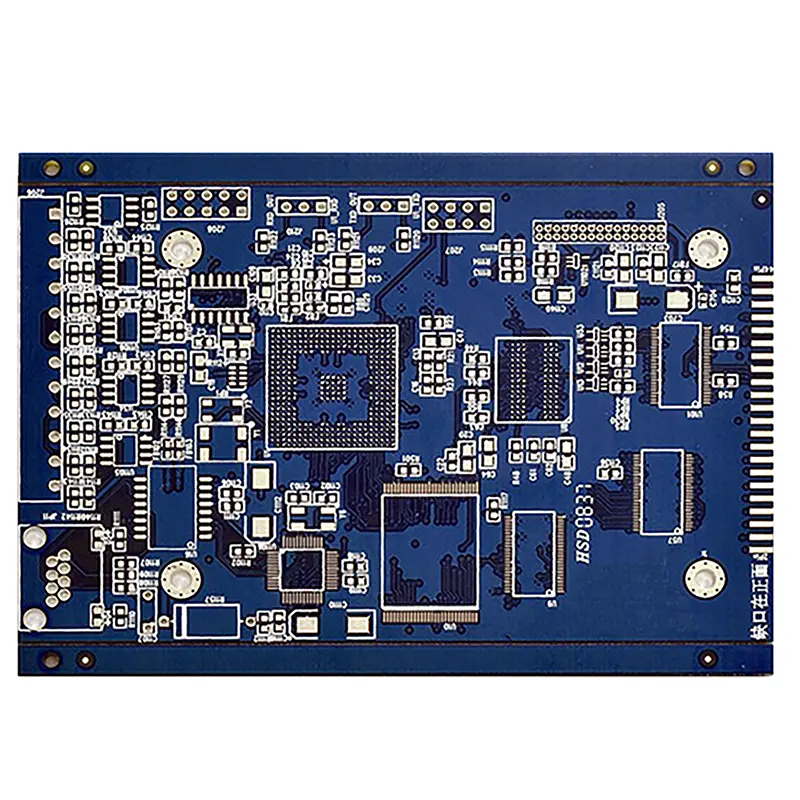 HDI PCB
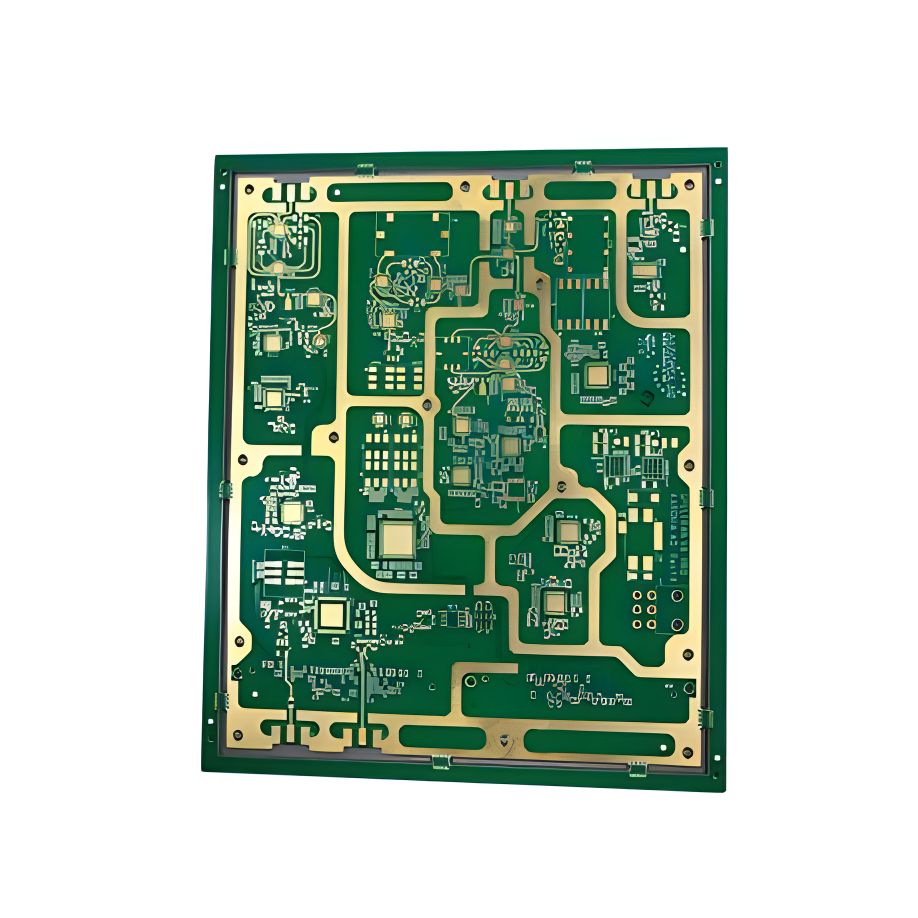 Rogers High-Frequency Board
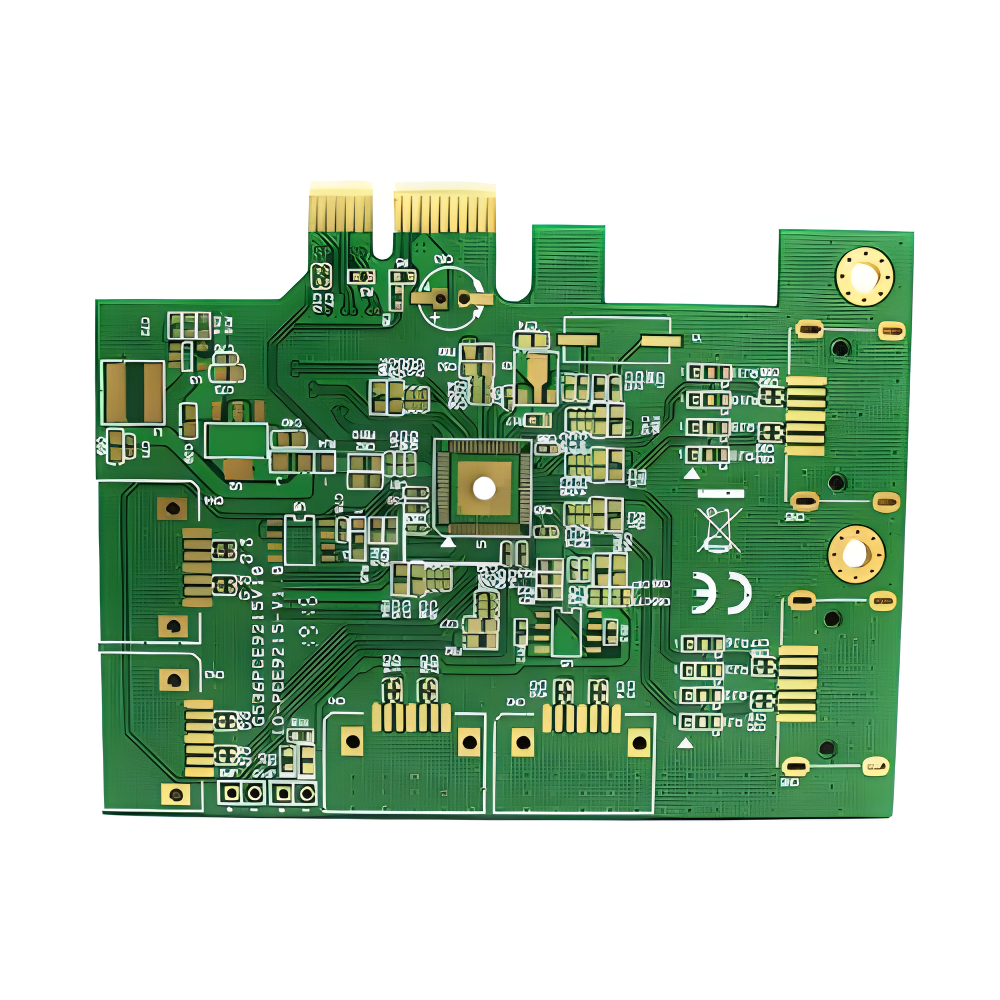 PTFE Teflon High-Frequency Board
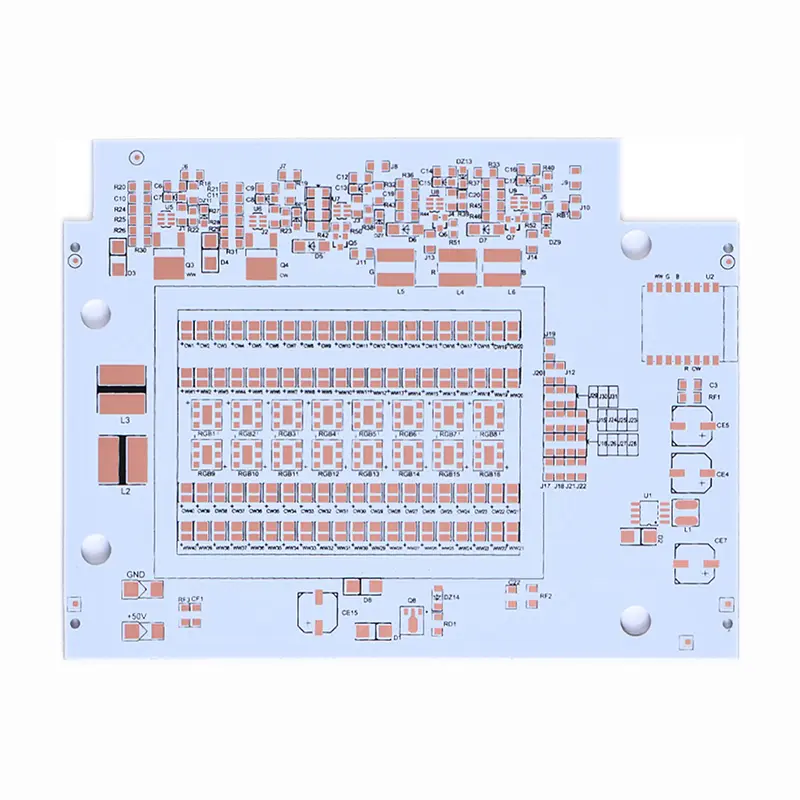 Aluminum
 Copper Core
 PCB Assembly
 LED light PCBA
 Memory PCBA
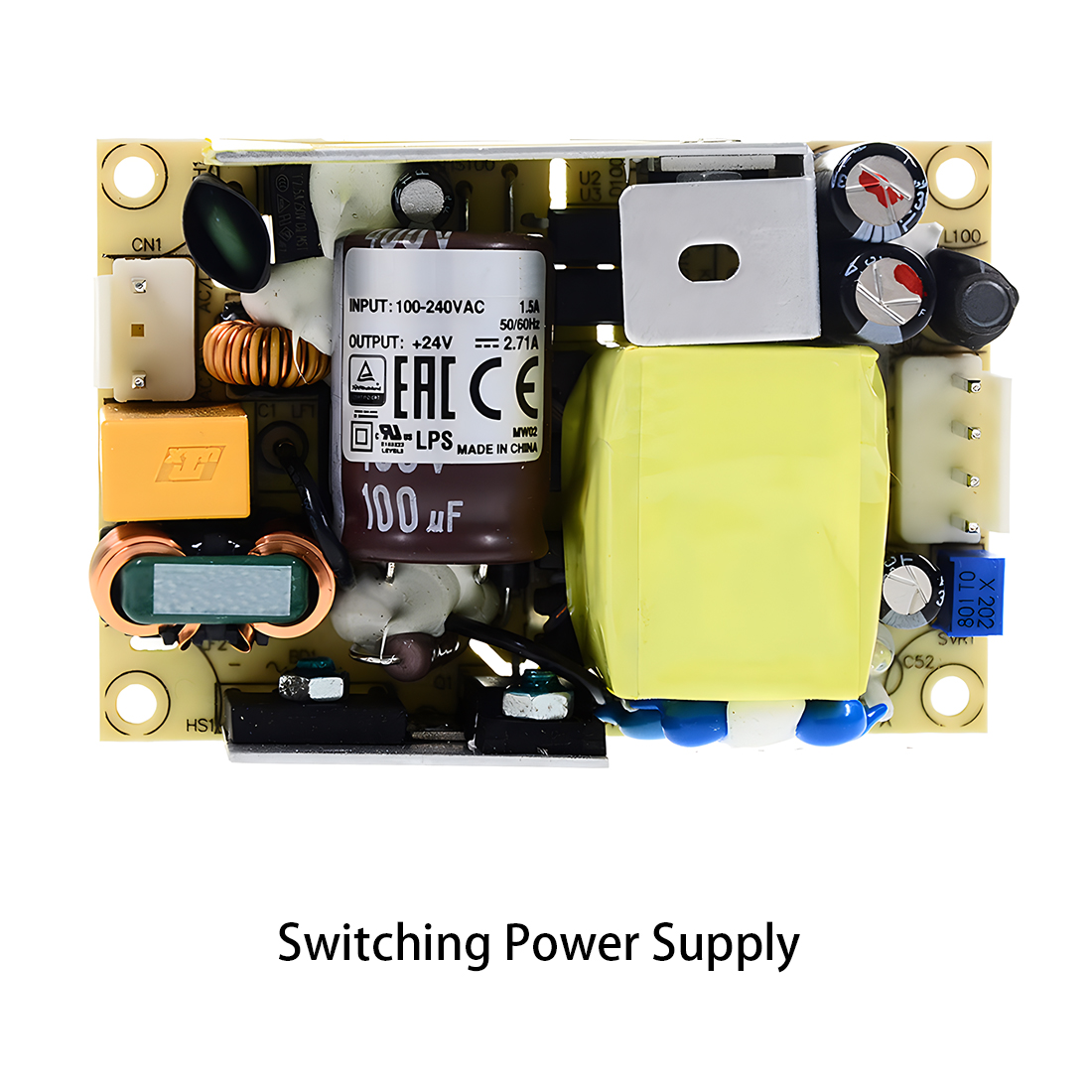 Power Supply PCBA
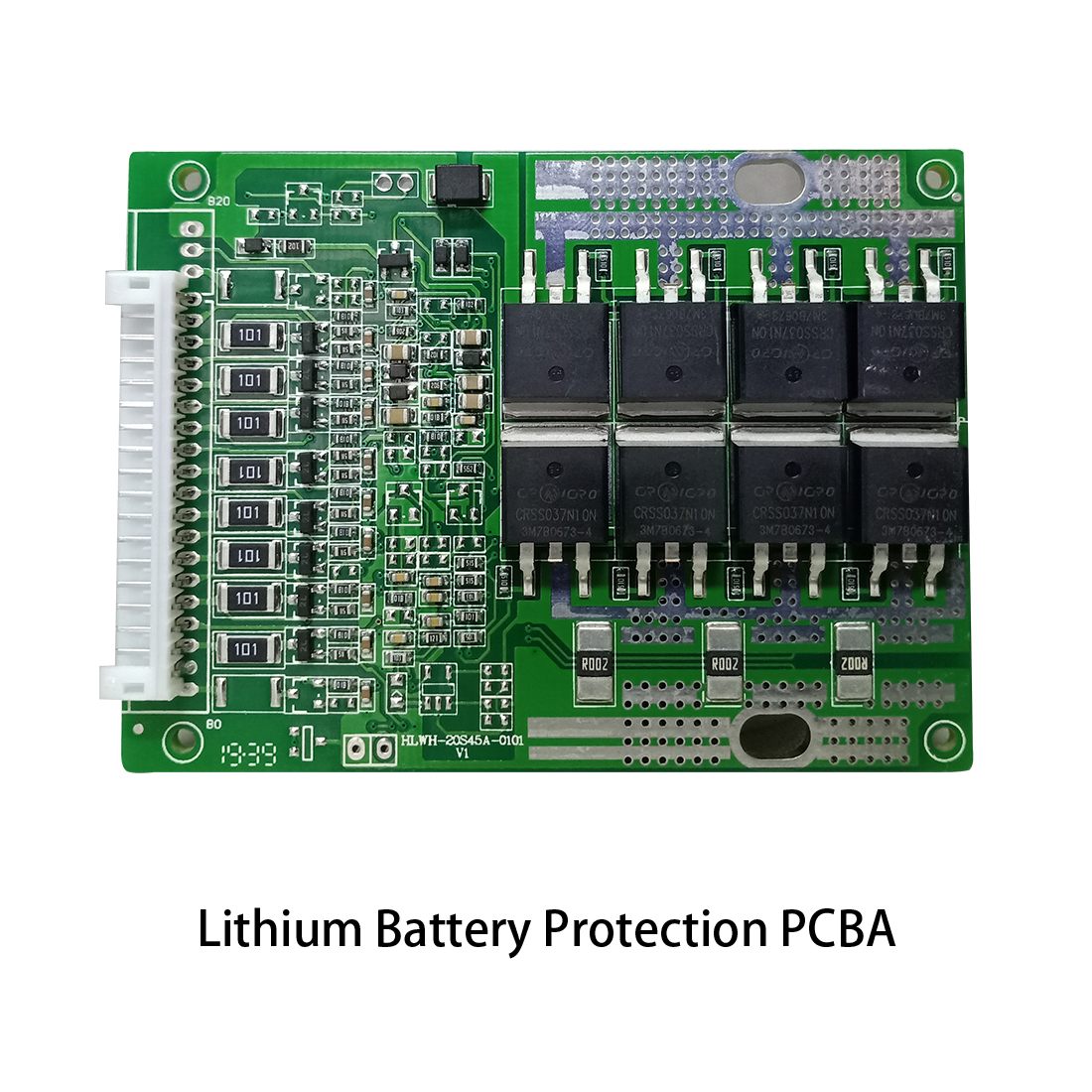 New Energey PCBA
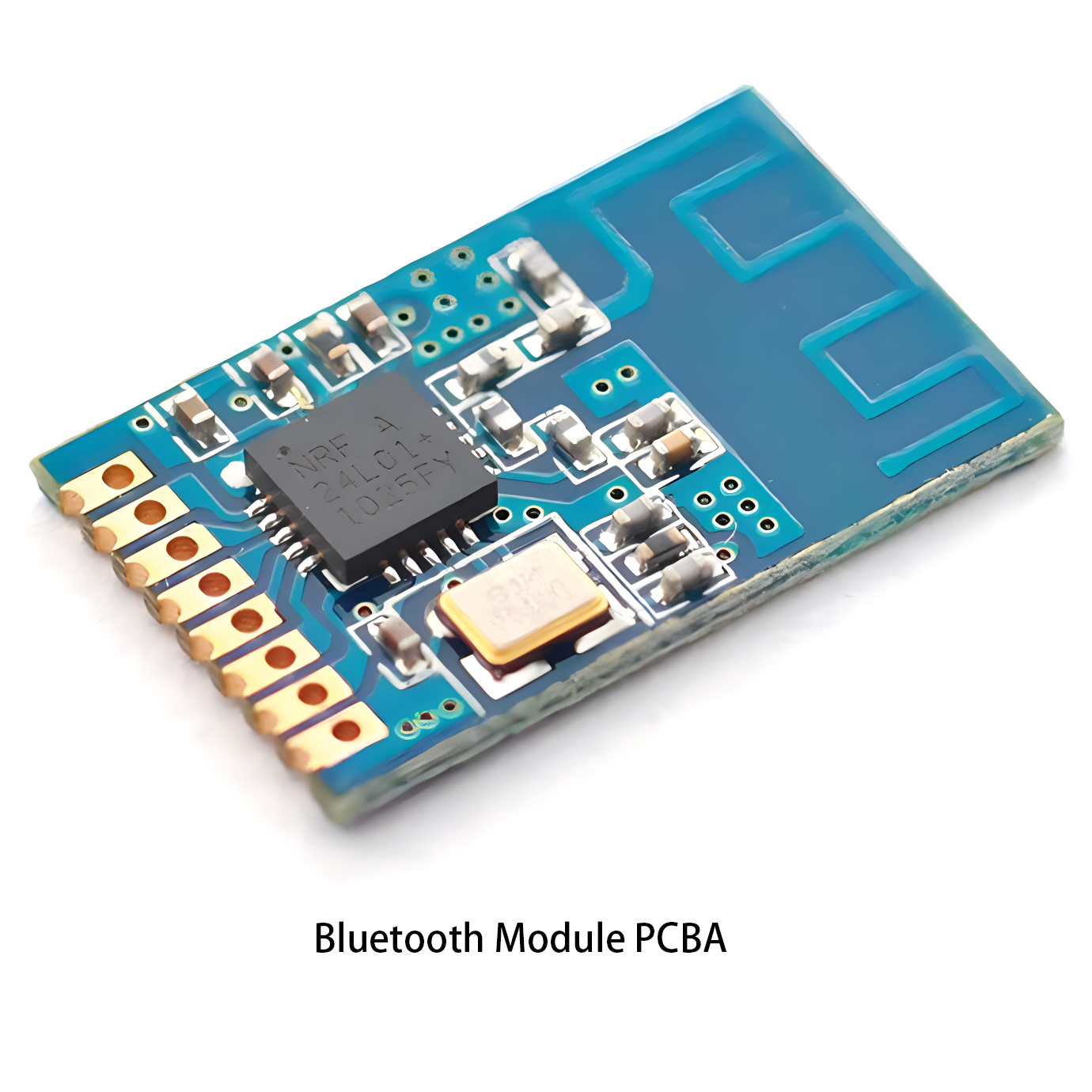 Communication PCBA
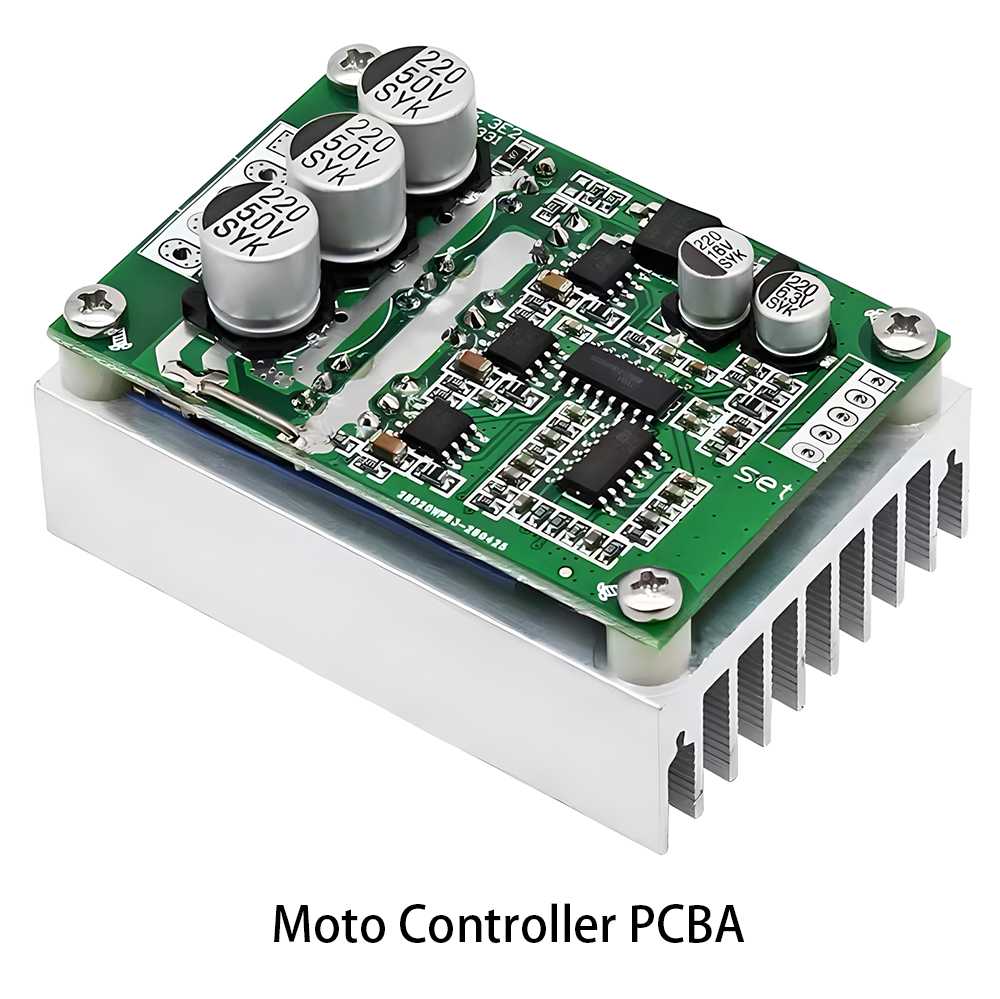 Industrial Control PCBA
 Medical Equipment PCBA
 Testing Service
 PCBA Testing Service
 Certification Application
 RoHS Certification Application
 REACH Certification Application
 CE Certification Application
 FCC Certification Application
 CQC Certification Application
 UL Certification Application
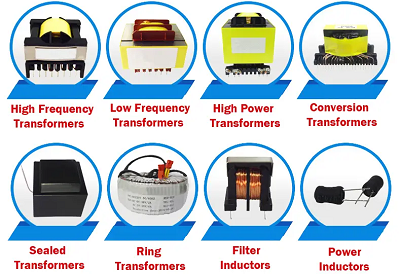 Transformers, Inductors
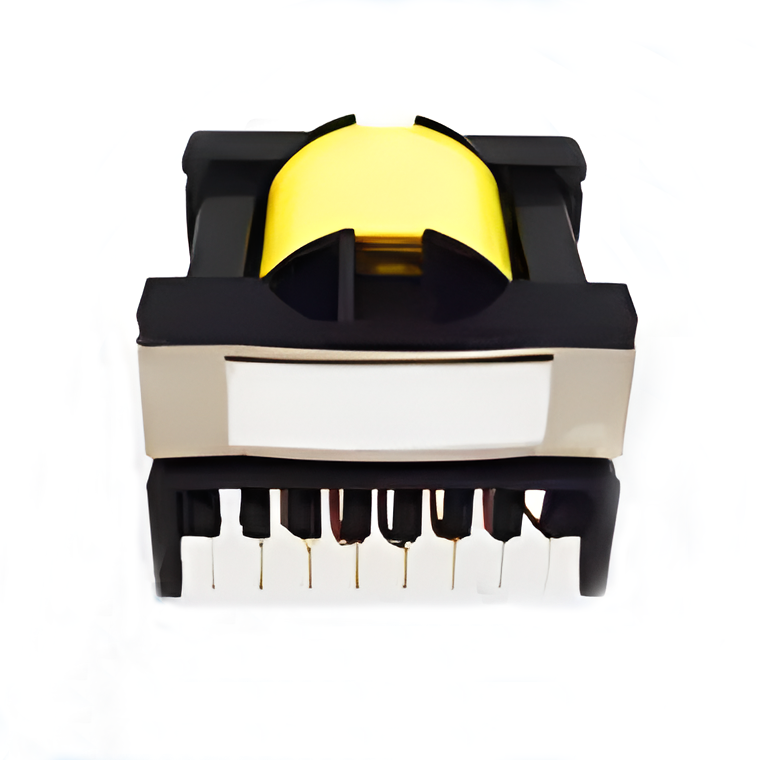 High Frequency Transformers
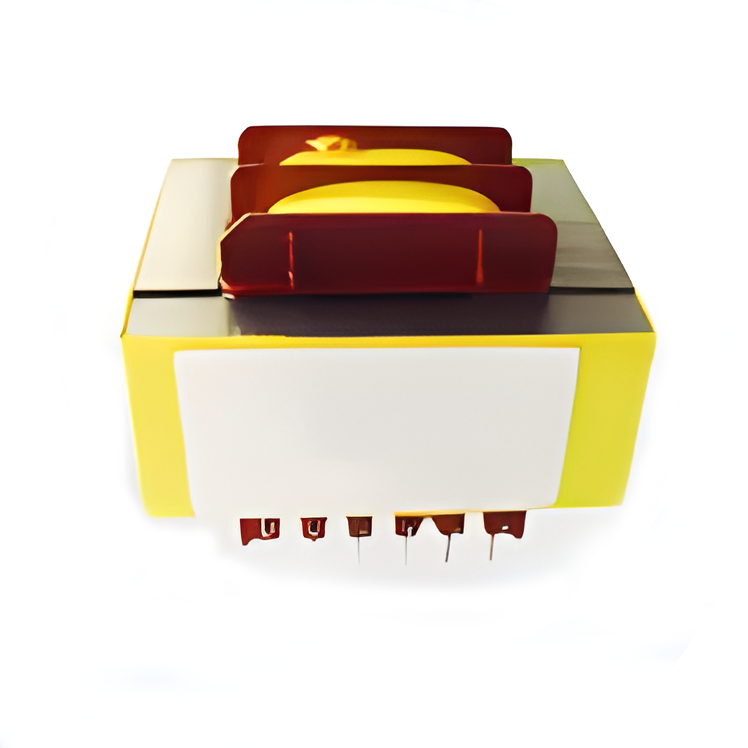 Low Frequency Transformers
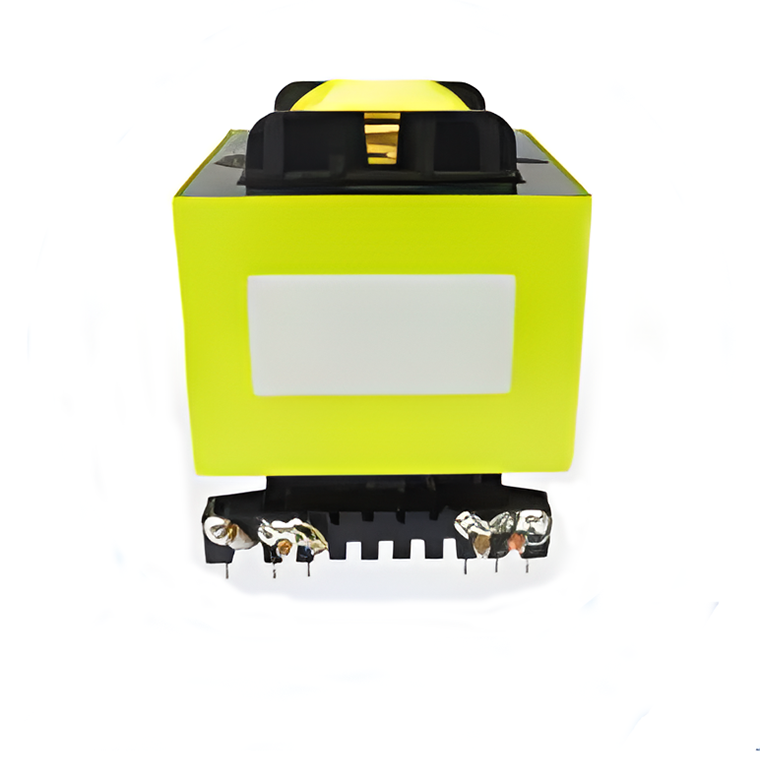 High Power Transformers
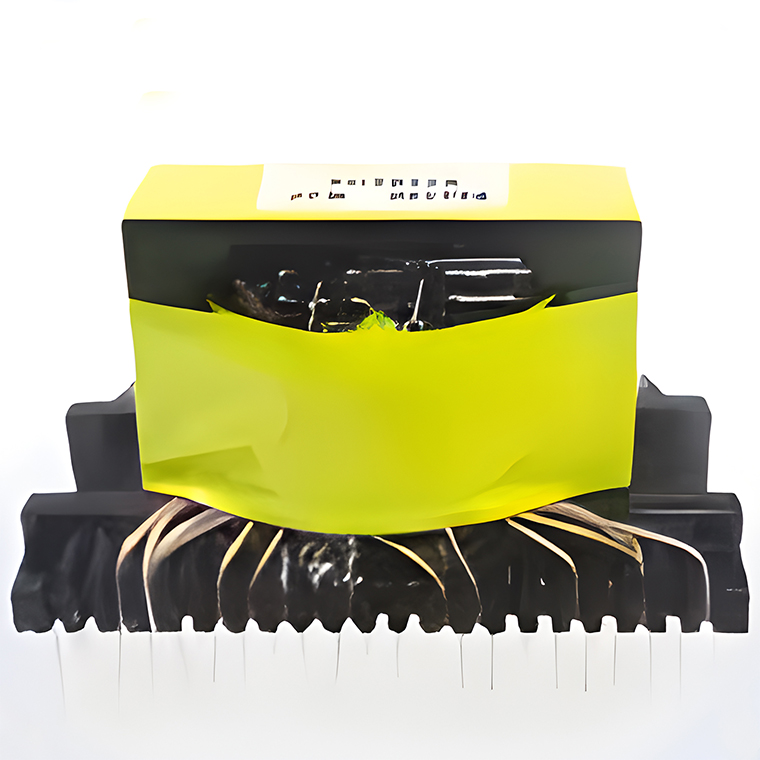 Conversion Transformers
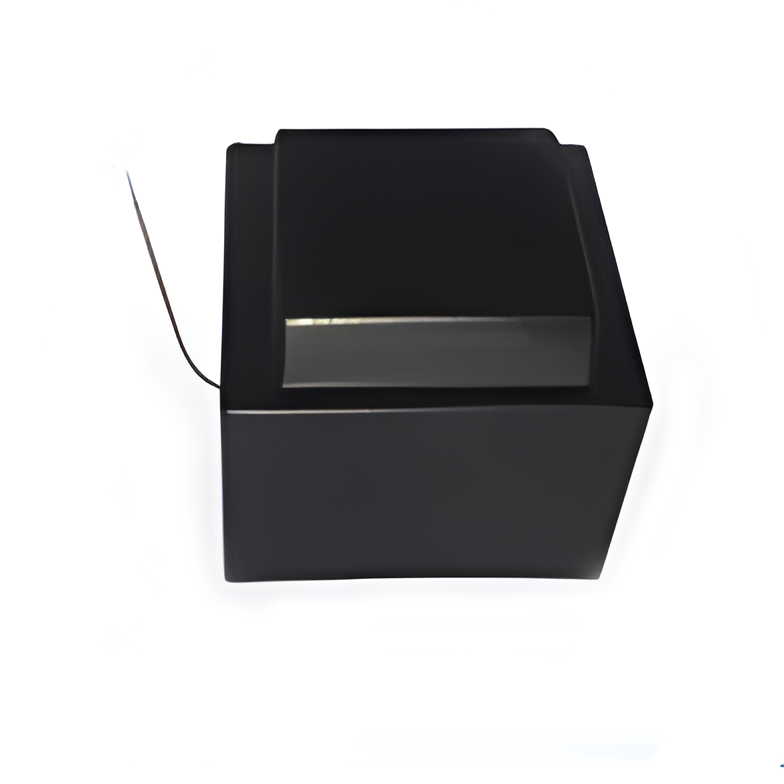 Sealed Transformers
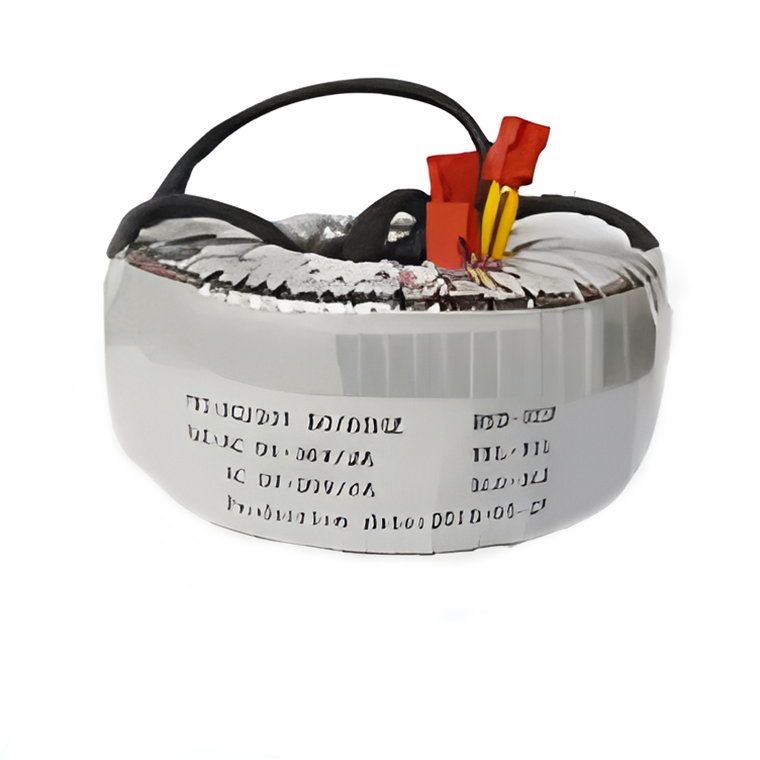 Ring Transformers
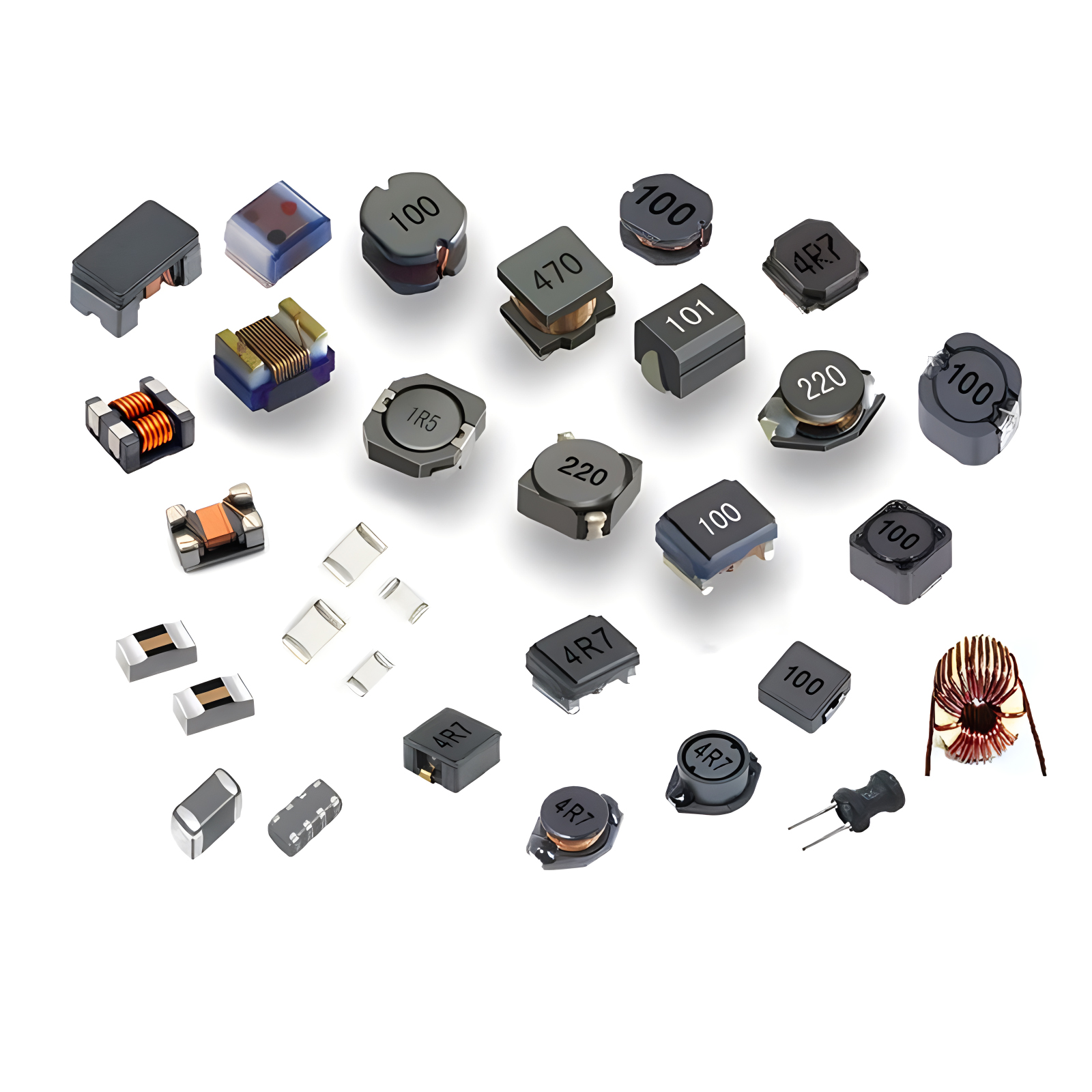 Inductors
 Wires,Cables Customized
 Network Cables
 Power Cords
 Antenna Cables
 Coaxial Cables
 Net Position Indicator
 Solar AIS net position indicator
 Digital Signal Processors (DSP/DSC)
 Microcontrollers (MCU/MPU/SOC)
 Programmable Logic Device(CPLD/FPGA)
 Through Hole Resistors
 Resistor Networks, Arrays
 Potentiometers,Variable Resistors
 Aluminum Case,Porcelain Tube Resistance
 Current Sense Resistors,Shunt Resistors
 Isolated Power Modules
 AC-DC Power Modules
 DC-AC Module(Inverter)


