Finding the right Pcb Suppliercan be a bit of a headache, especially if you’re trying to produce quality printed Circuit Boards and aren’t sure where to start. The market’s pretty crowded — tons of suppliers, each offering their own mix of products and services, so it can get pretty overwhelming trying to pick the best one. Things like production capacity, lead times, and pricing all come into play, and it’s easy to get lost in the details.
Now, some big names really stand out, like JLCPCB and PCBWay. They’re known for offering competitive prices and speedy turnarounds, which is a huge plus. But here’s the catch — not all experiences are smooth sailing. Sometimes, the quality can be inconsistent, and reviews can be all over the place. That’s why doing your homework before settling on a supplier is super important.
Choosing a reliable Pcb Supplier isn’t just about chasing the lowest price or the fastest delivery. You really want to dig a little deeper — look past the fancy marketing and see what other customers are saying. Understanding what a supplier can actually do, and how well they do it, makes a huge difference in building a solid, long-lasting partnership. At the end of the day, picking the right supplier could be what makes or breaks your whole project’s success.

Factors to Consider When Choosing a PCB Supplier
Choosing the right Pcb Board Supplier is crucial for successful product development. When evaluating suppliers, consider their manufacturing capabilities. Advanced technology ensures high-quality production and shorter lead times. Look for suppliers who offer a variety of materials and finishes. This flexibility can make a difference in meeting specific design requirements.
Communication is a key factor. A reliable supplier should be responsive to inquiries and provide support during the design phase. Clear communication can help prevent misunderstandings and delays. Request samples to assess quality before making a significant commitment. Understand the process of revisions if issues arise with prototypes. This openness reflects their commitment to customer satisfaction.
Tips: Check for certifications that demonstrate quality standards. Review case studies or testimonials to gauge past performance. Always clarify warranty terms and after-sales support. This could save costs and time in the long run. Reflecting on your past experiences could guide you to a better supplier, emphasizing the importance of diligence in your selection process. Consider your specific needs and the credibility of a PCB board supplier before making a choice.
Top Global PCB Suppliers: An Overview
When selecting a PCB supplier, global buyers face a myriad of options. The landscape includes various sizes of companies, each offering unique services and capabilities. Some suppliers specialize in high-volume production, while others focus on prototyping. It's crucial to understand these distinctions to align with project requirements.
Reputation matters greatly in the PCB industry. Many suppliers have established credibility through years of experience and technical expertise. Buyers should examine reviews and feedback from previous clients. This can reveal insights about a supplier’s reliability. Additionally, familiarity with ODM Pcb Making Suppliers is important for projects requiring custom solutions.
Cost is always a factor, yet the cheapest option is not always the best. Balancing cost with quality and delivery time is essential. Communication with potential suppliers can uncover their commitment to customer service. This aspect often reflects their willingness to collaborate and address specific needs. Ultimately, taking time to research and reflect on these factors can lead to better partnerships in the PCB supply chain.
Quality Standards and Certifications in PCB Manufacturing
When selecting a PCB supplier, quality standards and certifications are crucial. Various industry reports highlight that over 70% of buyers prioritize certifications like ISO 9001 and IPC standards. These certifications ensure that manufacturers maintain high-quality processes. A compliant supplier can significantly reduce the risk associated with defects in PCB products.
Certification can enhance reliability in the material's performance. Manufacturers often undergo rigorous testing to meet these standards. Reports suggest that about 80% of failures in electronic devices are due to PCB issues. Therefore, working with certified suppliers is vital for reliability.
Tips: Always inquire about the certifications a supplier holds. Check if they comply with the latest IPC/WHMA-A-620 standards. Research their quality assurance processes to ensure they align with industry benchmarks. This diligence will contribute to the durability and functionality of your electronic products.
Cost Comparison: Domestic vs. International PCB Suppliers
When selecting a PCB supplier, a critical factor is cost. Domestic suppliers might seem more convenient, but international options can be surprisingly economical. Shipping costs are a key consideration when comparing pricing. Some buyers overlook this and may end up paying more for unexpected fees. With careful planning, international suppliers can offer substantial savings.
Tips: Always request detailed quotes. These should include all costs, such as shipping and taxes. It is essential to compare these to fully understand the final expense.
Sometimes, communication barriers arise with international suppliers. Language differences can lead to misunderstandings about specifications, timelines, or costs. Ensure that you have clear, open lines of communication to mitigate this risk. An experienced OEM Pcb Making Supplier can provide insights into how to navigate these challenges effectively.
Tips: Establish regular updates during the production process. This keeps both parties aligned and minimizes potential issues. Don't hesitate to voice your concerns early. Proactive communication is key in maintaining a smooth workflow.
Supply Chain Reliability and Lead Times for PCB Procurement
Supply chain reliability is crucial for PCB procurement. Buyers must navigate challenges like fluctuating demand and raw material shortages. These issues can lead to delays and increased costs. Understanding the supplier's capabilities can help mitigate these risks.
Lead times for PCB production vary significantly. Factors such as design complexity and production volume play essential roles. Sometimes, suppliers may not meet promised timelines. This inconsistency can disrupt project schedules. Regular communication with manufacturers is vital. It helps buyers remain informed about potential delays.
Evaluating a supplier's track record provides insights into their reliability. A consistent history of on-time deliveries suggests a trustworthy partner. However, even the best suppliers can face unexpected issues. It’s beneficial to have contingency plans in place. This ensures that buyers can adapt when delays occur. Understanding the dynamics of the supply chain is key to successful procurement.
Customer Support and Communication with PCB Suppliers
When selecting a PCB supplier, customer support becomes a crucial factor. Buyers need timely responses to inquiries. A good supplier values transparency and communication. It’s important to feel understood and supported. Often, response times can vary significantly. While some suppliers are quick, others may leave buyers waiting. This inconsistency can cause frustration and lead to project delays.
Consider the channels of communication available. Suppliers should provide multiple ways to connect, such as email, chat, or phone. This flexibility is essential. However, not all suppliers excel in this area. Some may struggle with language barriers or insufficient technical knowledge. This can lead to misunderstandings and less effective collaboration.
Building a relationship with a Custom Fpc Pcb Supplier requires ongoing dialogue. Regular check-ins can help ensure both parties are aligned. Buyers should express their quality expectations clearly. Suppliers, in return, should provide updates about production timelines. If issues arise, proactive communication can mitigate many potential problems. Ultimately, strong support enhances trust and collaboration, leading to successful partnerships.
Evaluating Supplier Capabilities: Technology and Equipment Used
When evaluating PCB suppliers, technology and equipment play a critical role. Advanced machinery can significantly enhance production efficiency and product quality. A reliable supplier often uses automated pick-and-place machines. These machines allow for accurate and fast assembly of components on the circuit boards. Additionally, modern soldering techniques, such as infrared or laser soldering, ensure fewer defects and higher consistency.
However, it is essential to critically assess the supplier’s capabilities. Not every supplier has the latest technology. Some might still rely on outdated processes, which can hinder production speed. Regular maintenance of equipment is also crucial. Machines that are not routinely serviced may produce lower quality products. Suppliers must demonstrate a commitment to upgrading their technology.
Another important aspect is the supplier’s experience with various materials. Different types of PCBs require specific types of substrates and laminates. Understanding these requirements shows a supplier's depth of knowledge. Buyers should seek out partners that display expertise in material selection. This can greatly affect the durability and performance of the final products. Potential buyers should ask detailed questions to uncover these insights.
Evaluating PCB Supplier Capabilities
Exploring the Future of HDI PCBs: Insights from the 2023 IPC Market Report and 2022 Industry Growth Statistics
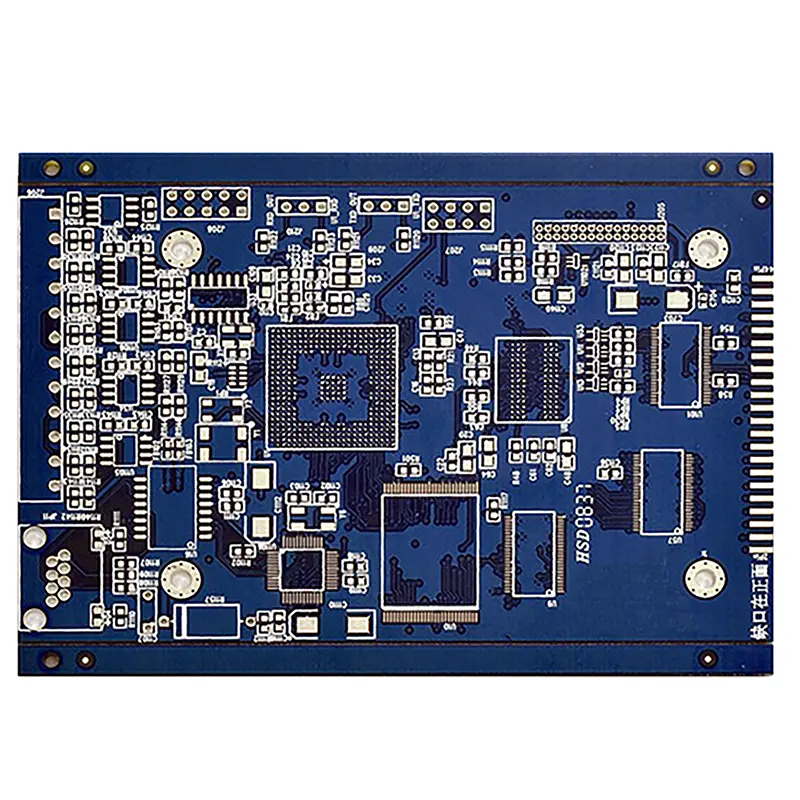
The HDI PCB market is poised for significant growth, driven by the increasing demand for high-density interconnect technology across various applications such as consumer electronics, automotive, and telecommunications. The 2023 IPC market report highlights a robust market expansion, confirming an upward trajectory further fueled by advancements in production technologies. As manufacturers focus on improving performance and meeting customer-specific requirements, companies are investing in advanced production capabilities and stringent quality control systems to ensure every HDI PCB adheres to the highest standards.
Our capabilities span a broad range of specifications, accommodating board thicknesses from 200um to 3200um and layers from 4 to 28, including 16-layer interconnections. The precise manufacturing process allows for minimizing laser vias and pads to dimensions as small as 70um and 140um, with buried via diameters and PTH diameters minimized to 100um and 230um, respectively. Surface finishes include categories like HASL, Immersion Gold, and OSP, ensuring options that meet the diverse needs of numerous industries.
Testing is paramount in our process, utilizing ICT, FCT, AOI, and flying probe tests to maintain high-quality assurance. With a minimum trace and spacing of 35um and optimized solder mask openings at 90um, our products are designed to meet the evolving demands of the HDI PCB landscape, reinforcing our commitment to customer satisfaction and service excellence. For more information, please click 【here】.
FAQS
: Certifications ensure that suppliers follow high-quality processes, reducing defects and boosting reliability.
Look for standards like ISO 9001 and IPC standards. These indicate quality assurance commitment.
Unexpected shipping fees can lead to higher overall costs. Always request detailed quotes for clarity.
Clear communication helps avoid misunderstandings about specifications and costs, ensuring a smoother process.
Advanced machinery enhances production efficiency and product quality. Check for modern soldering techniques.
Outdated equipment can slow production speed and reduce product quality. Regular maintenance is key.
Ask detailed questions about their experience with different substrates and laminates relevant to your needs.
Voice your concerns early and establish regular updates to minimize potential issues during production.
Research their compliance with latest industry standards and review their quality assurance measures.
Non-compliance can lead to defects and reliability issues in your final products. It's vital to verify standards.
Conclusion
When selecting a PCB supplier, several critical factors come into play. Buyers should consider quality standards and certifications to ensure reliability, as well as the technology and equipment employed by the supplier. A thorough comparison of costs between domestic and international PCB suppliers is essential, as it can impact overall project budgets. Additionally, evaluating supply chain reliability and lead times is crucial for timely procurement.
Effective customer support and communication channels also play a pivotal role in maintaining a successful partnership with a PCB supplier. By assessing all these aspects, global buyers can make informed decisions and choose a PCB supplier that meets their specifications and expectations, ensuring a smooth manufacturing process and high-quality end products.

 Capacitors
 Connectors
 Diodes
 Embedded Processors & Controllers
 Communication Modules/IoT
 Resistors
 Switches
 Transistors
 Power Modules
 RF and Wireless
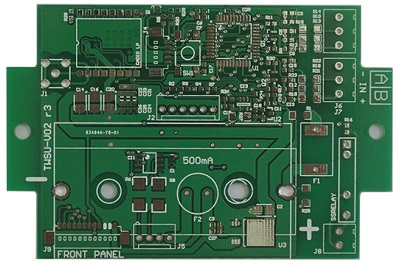 PCB
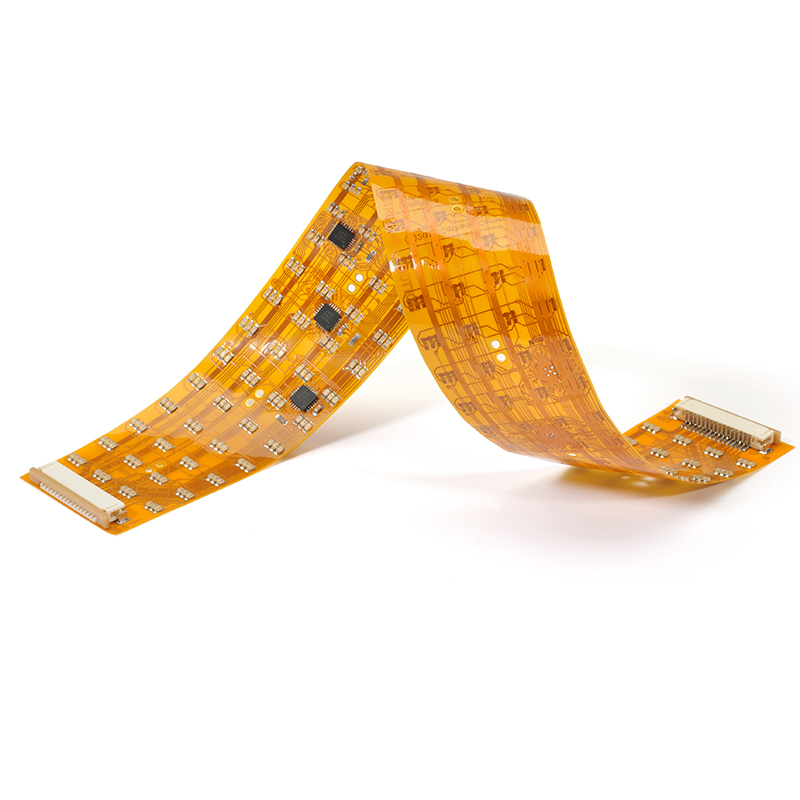 FPC
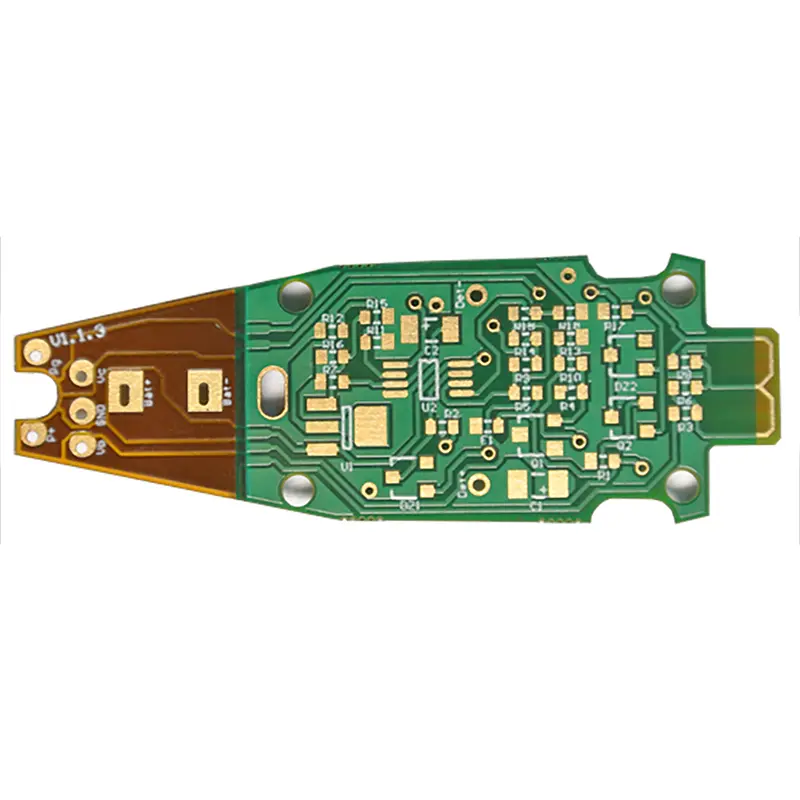 Rigid-Flex
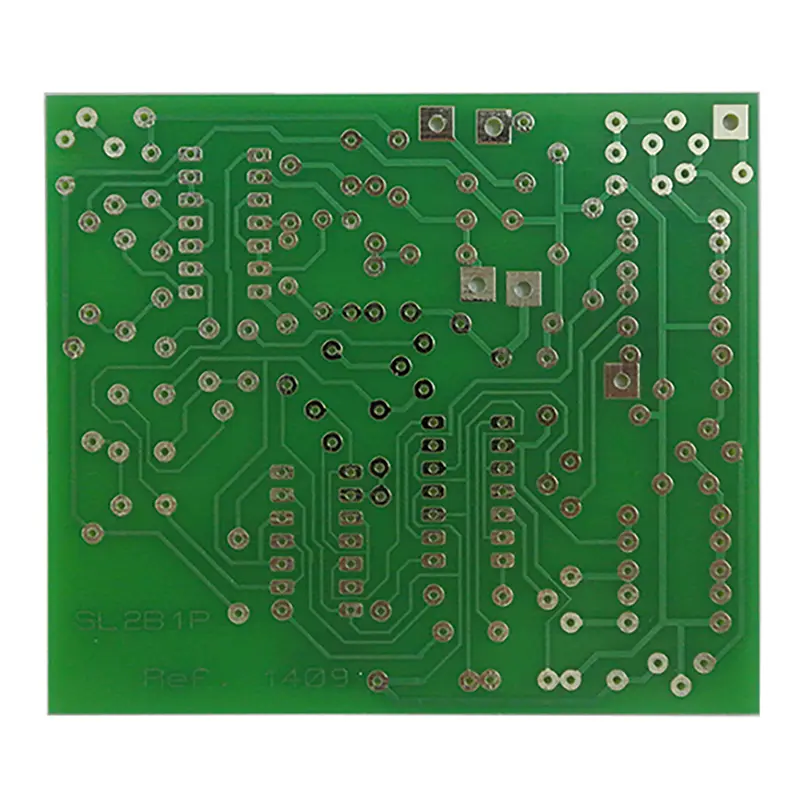 FR-4
 HDI PCB
 Rogers High-Frequency Board
 PTFE Teflon High-Frequency Board
 Aluminum
 Copper Core
 PCB Assembly
 LED light PCBA
 Memory PCBA
 Power Supply PCBA
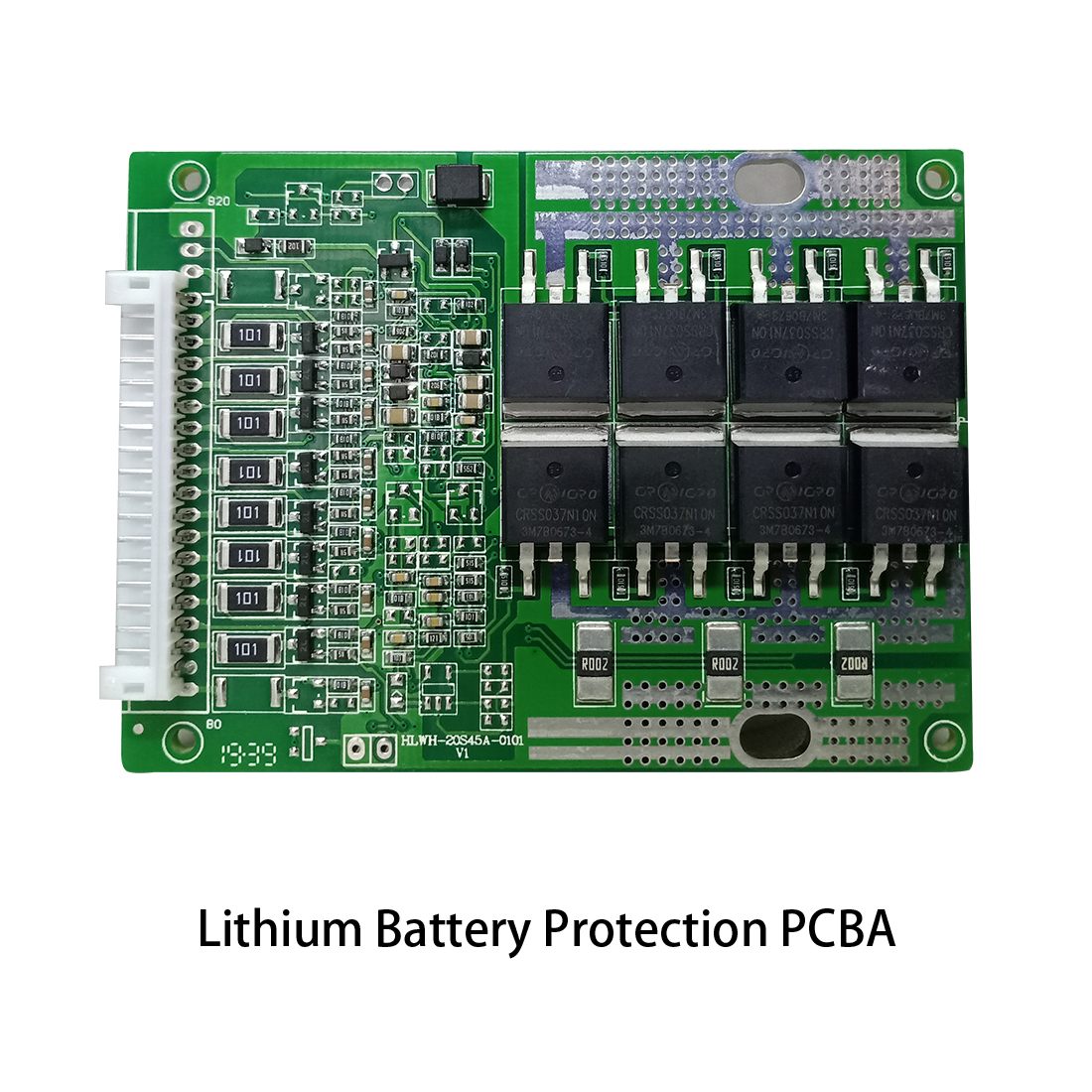 New Energey PCBA
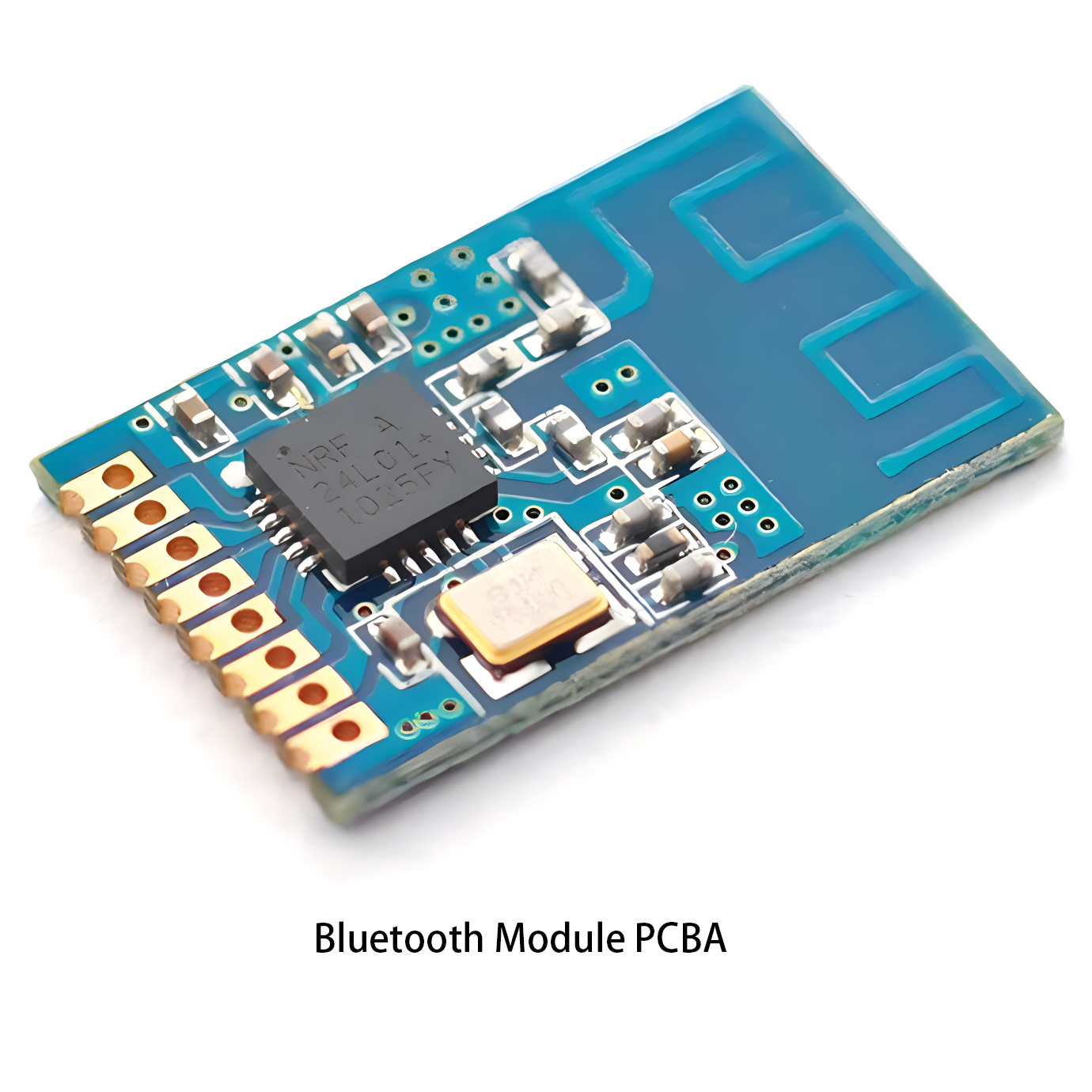 Communication PCBA
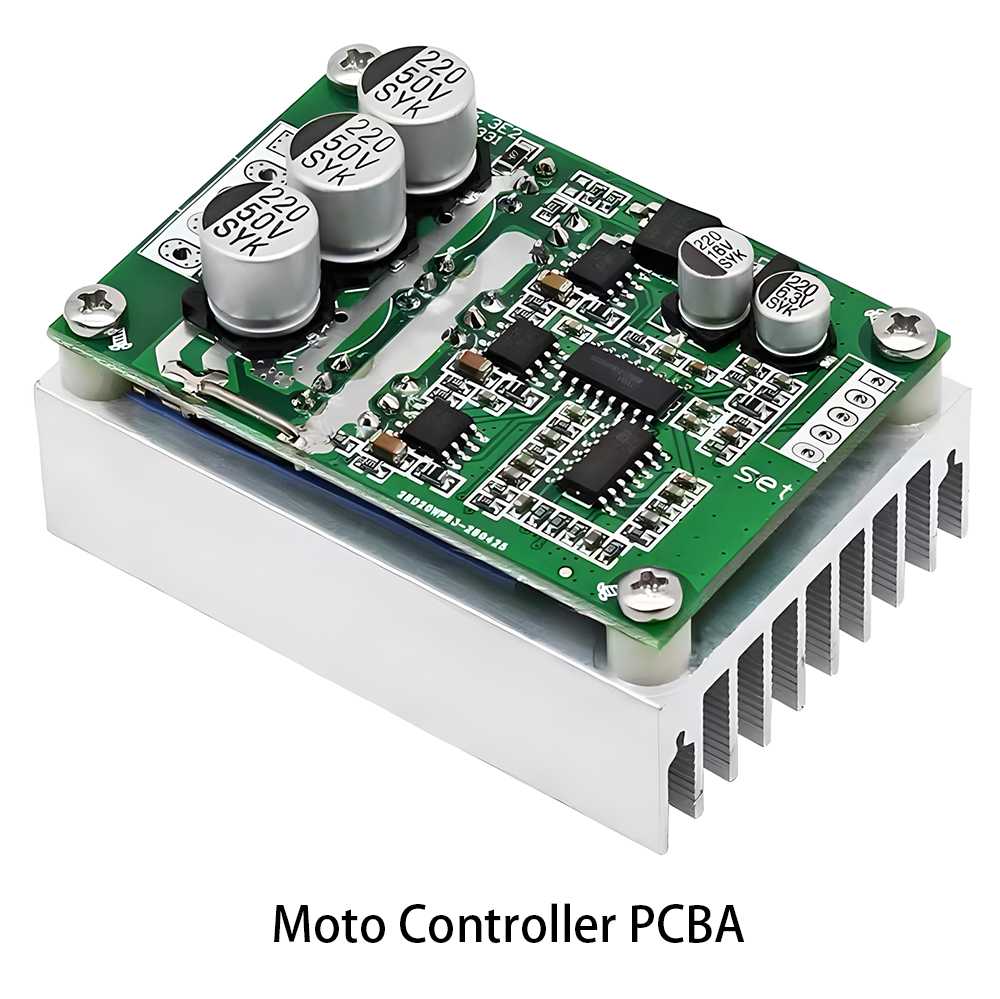 Industrial Control PCBA
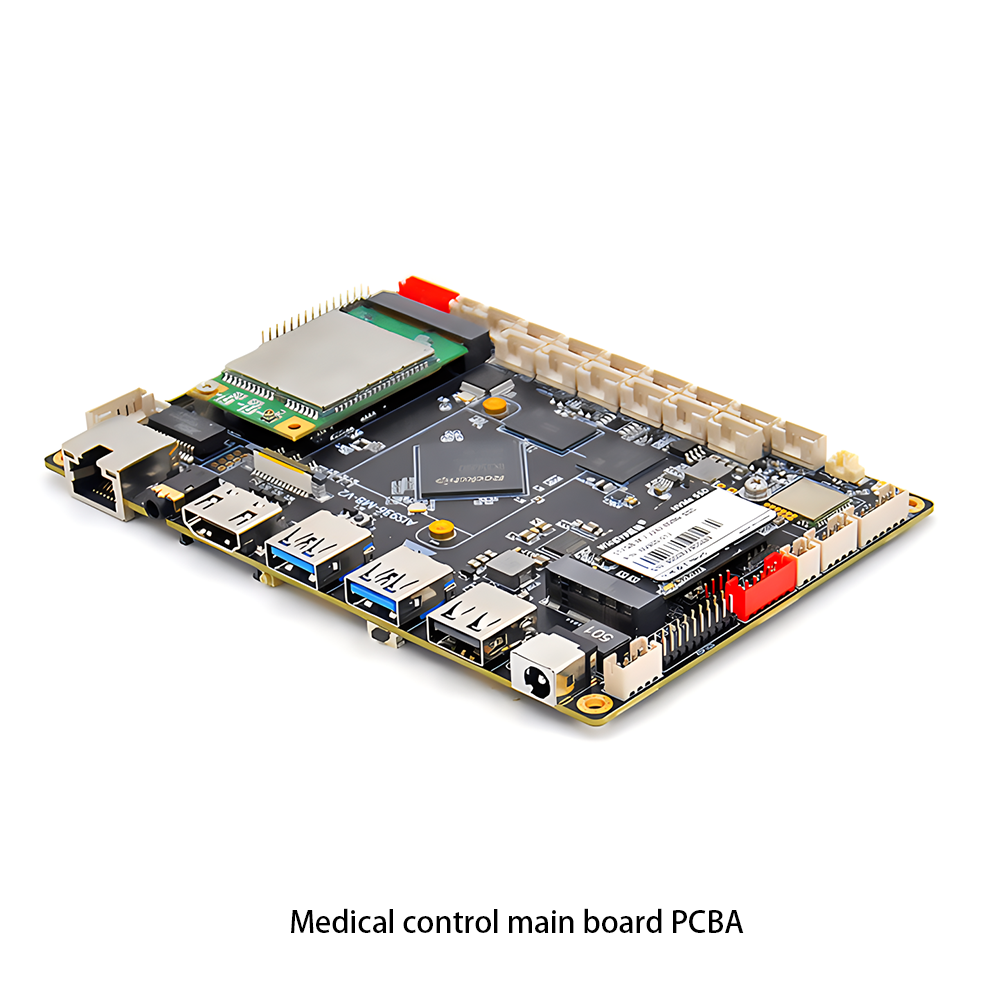 Medical Equipment PCBA
 Testing Service
 PCBA Testing Service
 Certification Application
 RoHS Certification Application
 REACH Certification Application
 CE Certification Application
 FCC Certification Application
 CQC Certification Application
 UL Certification Application
 Transformers, Inductors
 High Frequency Transformers
 Low Frequency Transformers
 High Power Transformers
 Conversion Transformers
 Sealed Transformers
 Ring Transformers
 Inductors
 Wires,Cables Customized
 Network Cables
 Power Cords
 Antenna Cables
 Coaxial Cables
 Net Position Indicator
 Solar AIS net position indicator
 Digital Signal Processors (DSP/DSC)
 Microcontrollers (MCU/MPU/SOC)
 Programmable Logic Device(CPLD/FPGA)
 Through Hole Resistors
 Resistor Networks, Arrays
 Potentiometers,Variable Resistors
 Aluminum Case,Porcelain Tube Resistance
 Current Sense Resistors,Shunt Resistors
 Isolated Power Modules
 AC-DC Power Modules
 DC-AC Module(Inverter)


